Why Regional Herbal Teas Are Finding a Place in Modern Wellness Routines
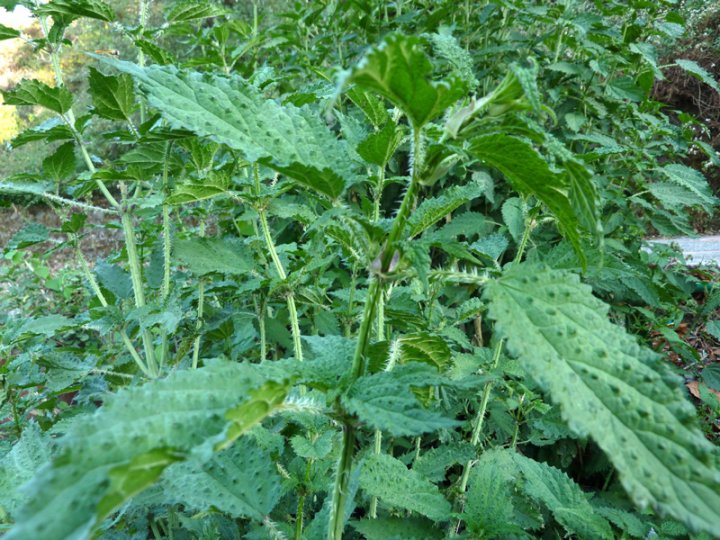
Himalayan nettle, or Urtica himalayensis, is one of several nettle species found in the Himalayan region. Like other nettles, the fresh plant has tiny hairs that can cause a stinging sensation when touched.
Tea has always been more than just a morning beverage. Across different parts of the world, people have traditionally used leaves, flowers, roots, spices and other plants to prepare simple drinks that fit naturally into everyday life. Today, that tradition is finding new relevance as consumers look beyond familiar beverages and explore a wider range of herbal teas.
One interesting example is Himalayan nettle, a wild plant traditionally found in mountainous regions. Known botanically as Urtica himalayensis, it belongs to the nettle family and has attracted attention as part of the broader interest in regionally sourced herbal ingredients.
The Growing Interest in Herbal Tea
The popularity of herbal teas is closely connected to a wider shift in how people think about everyday beverages. Instead of choosing drinks only for taste or convenience, many consumers are becoming more interested in ingredients, sourcing and traditional food cultures.
Herbal infusions offer a simple way to explore this diversity. Depending on the plant used, they can have distinctive flavors and aromas that are quite different from conventional black or green tea.
Some common reasons people explore herbal infusions include:
· They want more variety in their daily beverage choices.
· They prefer naturally caffeine-free options.
· They are curious about traditional plant-based ingredients.
· They want to discover regional food and beverage traditions.
· They appreciate simpler ingredients and less complicated preparation.
This does not mean every herbal tea should be viewed as a medicine. Herbal beverages can be enjoyed as part of a balanced lifestyle, but their traditional uses should be distinguished from scientifically established medical treatments.
What Makes Himalayan Nettle Interesting?
Himalayan nettle, or Urtica himalayensis, is one of several nettle species found in the Himalayan region. Like other nettles, the fresh plant has tiny hairs that can cause a stinging sensation when touched. Once appropriately processed, however, nettle leaves can be used in various traditional preparations.

The plant is particularly interesting from a food-culture perspective because it connects a familiar plant family with the distinctive environment of the Himalayas.
Mountain plants have long been part of local traditions, where communities have made use of naturally occurring ingredients according to seasonal availability and regional practices. Exploring these ingredients can provide a broader understanding of how local landscapes influence food and beverage traditions.
Herbal Tea Does Not Have to Be Complicated
One reason herbal infusions remain appealing is their simplicity.
A cup can usually be prepared with hot water and an appropriate quantity of dried plant material. Unlike elaborate wellness routines involving multiple products and supplements, an herbal tea can become a small, manageable part of an ordinary day.
Preparation also allows people to pay attention to the sensory side of the experience. The aroma, colour, flavour and temperature of a drink can turn an otherwise routine break into a more mindful moment.
For those interested in Himalayan nettle specifically, exploring information about [Himalayan nettle tea from Himvana] can be a starting point for learning more about how this regional ingredient is prepared as a tea.
Looking Beyond the Usual Tea Choices
Black tea and green tea remain popular around the world, but they are not the only options available. Herbal beverages offer an opportunity to discover plants that may have been familiar in traditional communities but are less well known to modern consumers.
This growing curiosity is also encouraging greater interest in the origin of ingredients.
Instead of simply asking, “What does this tea taste like?”, consumers may also ask:
· Where does the plant come from?
· How has it traditionally been used?
· How is it harvested and processed?
· Is the ingredient naturally caffeine-free?
· What makes it different from other plants in the same family?
These questions can make the experience of drinking tea more connected to agriculture, geography and culture.
A More Thoughtful Approach to Herbal Beverages
Interest in herbal tea should still be approached thoughtfully. “Natural” does not automatically mean that a product is suitable for everyone or that it provides a particular health benefit.
People who are pregnant, taking medication, managing a medical condition or considering herbal products for a specific health concern should seek appropriate professional advice before making them part of their routine.
For most people, however, the broader appeal of herbal tea does not have to depend on dramatic health claims. Taste, cultural discovery, ingredient transparency and the simple pleasure of preparing a warm drink can all be meaningful reasons to explore different varieties.
Rediscovering Plants Through Everyday Drinks
The renewed interest in regional herbal teas reflects something larger than a beverage trend. It represents a growing curiosity about traditional ingredients and the places from which they come.
Himalayan nettle is one example of how a locally familiar plant can become part of a wider conversation about food, culture and modern beverage choices. Learning about Urtica himalayensis also offers an opportunity to look more closely at the botanical diversity of the Himalayan region.
As consumers continue searching for alternatives to conventional beverages, regional herbal infusions may have an increasingly visible place on the tea shelf. Their appeal lies not only in what is inside the cup, but also in the story of the plants, landscapes and traditions behind it.
What's Your Reaction?