Media for Sand Filters: What Is the Significance of This Material?
Two features play an important role in the efficiency of sand filter media: effective size and uniformity coefficient. The former is the size of grains of the sand media while the latter indicates the uniformity of the grain sizes.
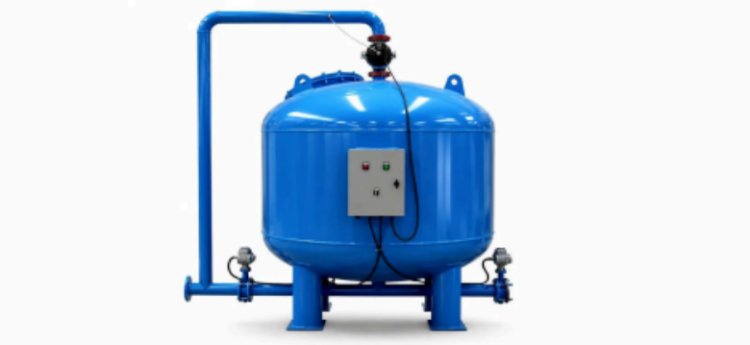
Walk into any water treatment plant, swimming pools filtration area or any room of reverse osmosis pre-filtration process and you will notice that the most used material there is sand filter media. While it might seem simple enough, yet it is the quality of the media, the size of the grains, and the method of layering that determines the life and efficiency of the filter system in many cases. At Bionics Scientific we deal with this material on daily basis and found out that in most cases, it is a problem with the media rather than with the equipment itself that is the cause of troubles.
The Working of Sand Filter Media
This media filters out suspended solids, silt and turbidity by trapping the particles in the grains of sand while the water passes through it. The particles get trapped between the grains while going through the bed of silica sand that is graded. Therefore, the appropriate grading of the sand bed is essential for the effectiveness of this media as filtration media since the size of the particle determines its efficiency and needs backwashing.
Importance of Grain Size and Uniformity Coefficient
Two features play an important role in the efficiency of sand filter media: effective size and uniformity coefficient. The former is the size of grains of the sand media while the latter indicates the uniformity of the grain sizes. The smaller the uniformity coefficient, the less gaps there will be and the more even the flow of the water through the sand bed will be. Thus, purchasing sand
only according to the weight is the most common mistake done by both residential and industrial customers.
Silica Sand Media Compared to Other Types
Silica sand is the most common type of sand media due to the chemical stability, versatility and relatively low price of this material when it comes to the purchase of large quantities. However, when it comes to multimedia filtration sand media is often combined with other materials to make graded density layers where coarser and lighter media is located at the top of the bed and finer and denser one – at the bottom.
Backwashing and Life Expectancy of the Media
Sand-based filter media is not going to last indefinitely. After a while, the accumulated dirt will make the sand compacted and reduce the flow efficiency. In addition, some channels can form in the media, which will mean that the water will find the easiest way to go through the filter without being filtered. Backwashing will lift the media and spread it, cleaning the accumulated dirt and increasing the filtration capabilities of the filter. If the backwashing procedure is not performed regularly, it will be the fastest way to wear out the media and increase the pressure on the following filter stages such as RO membranes or carbon filters.
Choosing the Appropriate Sand Filters Media
The appropriate sand filter media should be chosen according to the quality of the water, flow rate, and demands of the subsequent filtration stages. The media for sand filter for turbid borewell water will be different from media for sand filters for municipal water polishing. Checking the quality of the water source before choosing the specifications of the media will save both your time and money in the future.
Conclusion
Sand filter media is an insignificant part of the filtration system which will significantly affect the result. At Bionics Scientific, we help our customers to choose the appropriate media specifications according to their water parameters.
What's Your Reaction?