The Strategic 5-Point Checklist for High-ROI Branded Tote Bags
Here is a 5-point checklist for businesses seeking to source premium, custom-printed canvas bags that are built to last and elevate brand perception.
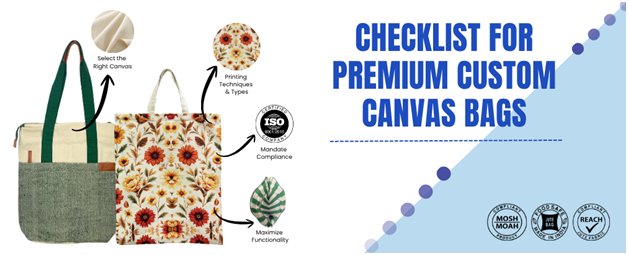
In an era where consumers are increasingly conscious of both quality and environmental impact, the humble tote bag has evolved from a simple giveaway item into a powerful, long-term brand ambassador. A high-quality branded canvas bag is essentially a walking billboard that offers continuous impressions for months or even years.
However, many businesses make the mistake of prioritizing the lowest cost-per-unit, resulting in bags that quickly tear, fade, or are simply discarded. This is a false economy that wastes marketing budget. To ensure your investment delivers a maximized Return on Investment (ROI) and builds genuine brand goodwill, a strategic approach to sourcing is essential.
Here is a 5-point checklist for businesses seeking to source premium, custom-printed canvas bags that are built to last and elevate brand perception.
1. The Foundation of Durability: Strategic Fabric Weight Selection
The longevity of a custom bag is fundamentally determined by the weight of the canvas fabric, typically measured in ounces per square yard (oz). Ignoring this factor is the quickest way to create short-lived promotional material.
|
Canvas Weight Range |
Typical Use Case |
Brand Perception |
|
6oz–8oz (Lightweight) |
Single-use convention giveaways, ultra-budget shopping bags. |
Affordable, but often lacks structure and tear-resistance. |
|
10oz (Mid-Weight) |
General daily use, balancing affordability and durability. |
A reliable, everyday choice. |
|
12oz+ (Heavy-Duty) |
Premium retail merchandise, corporate gifts, high-end applications. |
The golden standard. Strong, structured, and conveys superior quality. |
For merchandise intended to represent premium quality or endure regular, heavy use (such as retail carry bags or executive gifts), opting for 12oz or heavier fabric is non-negotiable. This investment translates directly into a higher usage rate and, consequently, greater brand visibility.
2. Maximizing Visual Longevity: Choosing the Right Print Technology
The clarity and endurance of your design depend entirely on matching your artwork to the correct printing technique. A beautiful design on paper can quickly look unprofessional if the print method cannot withstand folding and washing.
● Screen Printing: Best suited for simple, bold logos, text, and designs with a limited number of colors. It works by pushing thick ink directly into the fabric fibers, creating a vibrant, crisp, and exceptionally durable finish that resists cracking and fading. It is highly cost-effective for large production volumes.
● Digital Printing: The preferred choice for complex designs, photographic realism, gradients, and full-color spectrum images. It offers precision and the ability to reproduce intricate details but may sometimes offer slightly less wash durability than screen printing on specific canvas types.
Pro Tip: Always request a print swatch on the actual fabric weight you plan to use. This verifies color accuracy (especially for specific brand Pantone codes) and ensures the print holds up before mass production.
3. The Ethical and Legal Shield: Mandating Compliance
A bag carries more than just goods—it carries your company's reputation. Sourcing products that do not meet global standards introduces significant brand risk and potential legal liabilities. Quality assurance and compliance should be a critical filter when selecting a supplier.
Look for a manufacturer who provides evidence of key certifications, including:
● ISO Certifications: Demonstrating internationally recognized standards for quality management and manufacturing processes.
● REACH or other Chemical Compliance: Ensuring that inks and materials do not contain restricted harmful substances, which is vital for consumer safety, particularly in international markets.
● Ethical Sourcing Audits: Verifying fair labor practices and supply chain transparency.
A robust quality control system ensures consistency across the entire order and signals to customers that your brand operates responsibly. Leading manufacturers in this space, such as Kelvin Ecopack, often maintain these rigorous standards through tough internal audits and a commitment to traceable, ethical supply chains.
4. The 'Walking Billboard' Factor: Functional ROI
The functional design elements are what determine the bag's long-term utility, which directly impacts your Functional ROI (the return generated by ongoing, real-world use). The longer a bag stays in circulation, the more marketing value it generates.
Focus on features that enhance daily usability and durability:
● Reinforced Handles: Handles should be double-stitched or cross-stitched at the stress points to prevent tearing when carrying heavy loads.
● Structural Integrity: Bags designed with a flat bottom or gussets maintain their shape better, making them easier to load and promoting a more professional, premium look even when empty.
● Value-Added Features: Inner zipper pockets, key clips, or integrated bottle holders transform a basic tote into a highly useful accessory, dramatically increasing the likelihood of daily reuse.
5. Future-Proofing Your Brand: Integrating Sustainability
Today, sustainability is not a niche feature; it is a fundamental consumer expectation. When a customer chooses your branded bag over a plastic alternative, they expect that item to reflect positive environmental values.
Prioritize suppliers who demonstrate a commitment to low-impact production by:
● Sourcing Materials: Utilizing natural, biodegradable fibers (like cotton canvas) or incorporating recycled content.
● Eco-Friendly Inks: Using water-based, non-toxic inks instead of chemical-heavy plastisol inks.
● Supply Chain Transparency: Being able to trace the material's origin and verify responsible manufacturing practices from raw material to finished product.
By focusing on responsible sourcing, your branded bag becomes a statement of value that resonates with environmentally and ethically conscious consumers.
Conclusion
The cheapest bag is almost always the most expensive marketing mistake. By applying this 5-point checklist, you shift your procurement focus from simple cost-per-unit to strategic value-per-impression. A durable, compliant, and functionally designed canvas bag is not merely a giveaway—it is a sustainable asset that provides continuous, high-quality brand exposure long after your initial campaign budget has been spent. This strategic investment is how businesses maximize ROI and future-proof their brand in a quality-conscious marketplace.
What's Your Reaction?