When Preservation Wasn't Enough: What Wedding Dress Restoration Can Do
A damaged wedding dress is not automatically a lost cause. Whether the issue is yellowing, set-in stains, or deterioration from improper storage, professional restoration can often recover far more than expected.
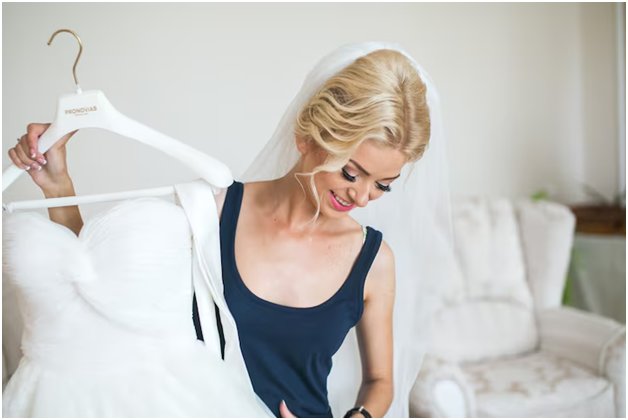
Not every bride preserves her wedding dress right away. Some dresses spend years in a plastic garment bag at the back of a closet, or in an unsealed box in a basement. By the time someone thinks to look, the damage is visible: yellowed fabric, brittle lace, set-in stains that weren't there on the wedding day. If this describes your situation, don't assume the gown is beyond saving. Wedding dress restoration is a genuine, specialized process — and it can work even on dresses that look severely compromised.
What Does Restoration Actually Mean?
Restoration is distinct from standard cleaning. Standard cleaning removes surface soil and fresh stains from a dress that is otherwise in good condition. Restoration addresses dresses that have experienced significant deterioration — deep yellowing from oxidized fabric, set stains that have been in the dress for years, brittleness from improper storage, or damage from previous cleaning attempts.
The restoration process typically begins with a thorough assessment of the gown's current condition: fabric type, extent of yellowing, nature of any stains, and whether the structural elements — boning, underskirt, bodice interfacing — have been affected. This assessment determines what cleaning methods are appropriate and what outcomes are realistic.
How Yellowing Happens — and Whether It Can Be Reversed
Yellowing in wedding dresses has several causes. The most common is oxidation of sugars left on the fabric from food, drink, or perspiration — these compounds break down over time and produce visible discoloration. A second cause is the off-gassing of non-acid-free storage materials, which deposit acidic compounds onto the fabric. A third, less reversible cause is the natural aging of the fabric itself, particularly in older silk garments.
Sugar-based and storage-related yellowing can often be significantly reduced with professional wedding dress restoration. The results depend on how long the discoloration has been present and how deeply it has penetrated the fibers. Fabric that has aged naturally to a true ivory or ecru tone is more difficult to restore because the yellowing is intrinsic rather than surface-level.
Common Restoration Scenarios
The dresses that most often come in for restoration share a few common stories. A mother's dress that sat in a cedar chest for 30 years and has gone from white to deep cream. A dress that was cleaned at a general dry cleaner who used the wrong solvent, leaving new stains in place of old ones. A purchased vintage gown with multiple generations of unknown storage history. A dress that was never cleaned after the wedding because "it didn't look dirty" — and now has ghost stains that have darkened with age.
Each of these scenarios is different, and each requires a different restoration approach. There is no single restoration process — it's case-by-case, and a reputable restoration specialist will be honest about what can and cannot be done with a specific gown.
The Role of Re-Preservation After Restoration
A successfully restored dress still needs to be properly preserved after treatment. This is a point that's easy to overlook. Restoration addresses the damage that has already occurred; preservation protects the dress from future deterioration. Without re-preservation in acid-free materials and appropriate storage conditions, a restored dress can deteriorate again within a few years.
According to the Smithsonian Institution's guidelines for textile preservation, clean, stable storage in pH-neutral materials is the single most important factor in long-term garment conservation — more important than the quality of initial cleaning. Re-preservation after restoration should be treated as a required step, not an optional one.
Managing Expectations
Restoration can produce remarkable results, but it has limits. A dress that has been severely damaged — structural fabric breakdown, permanent fiber brittleness, or deep-set stains involving dyes rather than organic matter — may not be fully restorable to its original appearance. What's possible depends on the specific damage, the fabric composition, and the quality of the restoration service.
A good restoration specialist will provide a realistic assessment before any work is done, including what outcomes are achievable and what level of improvement you can realistically expect. Avoid any service that promises guaranteed results without first examining the dress.
Conclusion
A damaged wedding dress is not automatically a lost cause. Whether the issue is yellowing, set-in stains, or deterioration from improper storage, professional restoration can often recover far more than expected. The key is acting before additional time makes the damage worse, choosing a specialist with genuine experience in bridal restoration, and following through with proper re-preservation once the work is complete. Your dress has meaning — it's worth giving it the best possible chance.
What's Your Reaction?