Why a Lens Protector Is Essential for Every Photographer
Camera lenses are valuable and delicate pieces of equipment that require proper care and protection. A simple accessory like a lens protector can prevent scratches, dust damage, moisture exposure, and accidental impacts, helping photographers maintain the performance of their lenses for years.
Photography is an investment in creativity, technology, and equipment. Cameras and lenses are delicate tools that help photographers capture meaningful moments, stunning landscapes, and professional-quality images. Among all the accessories photographers use, a lens protector is one of the most important yet often overlooked pieces of equipment.
A camera lens is one of the most sensitive parts of any photography setup. Even a small scratch, dust particle, or impact can affect image quality and reduce the lifespan of expensive gear. Whether you are a beginner or a professional, protecting your lens should be a priority. This is especially true when using expensive equipment such as a zoom lens for camera systems, which often contains complex optical elements that require extra care.
Understanding What a Lens Protector Is
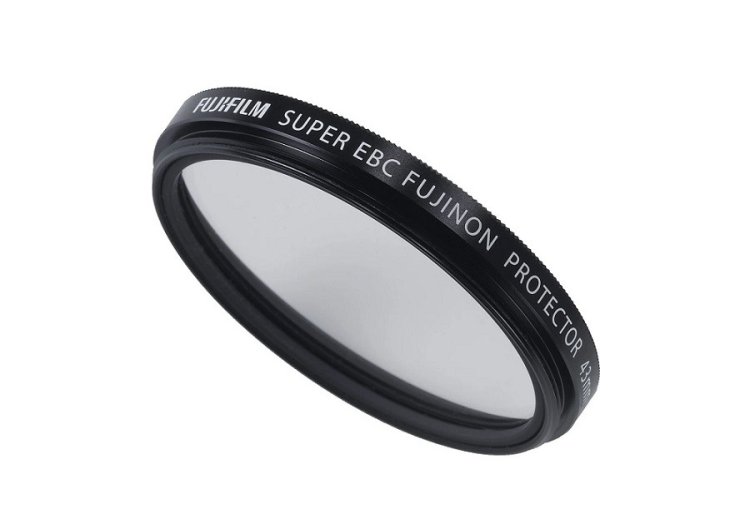
A lens protector is a thin glass filter that attaches to the front of a camera lens. It acts as a barrier between the external environment and the delicate lens elements.
Lens protectors are typically made of high-quality optical glass that does not affect image quality when properly designed.
Common Types of Lens Protectors
There are several types of filters used for protection, including:
● UV filters
● Clear protection filters
● Multi-coated protective filters
Although originally designed to reduce ultraviolet light in film photography, many UV filters today serve primarily as protective barriers for digital camera lenses.
Protecting Against Scratches and Physical Damage
One of the most common reasons photographers use a lens protector is to prevent scratches.
Camera lenses often feature specialized coatings designed to enhance sharpness, reduce glare, and improve color accuracy. Scratches on the front element can damage these coatings and degrade image quality.
Situations That Can Cause Scratches
Photographers often encounter risky environments such as:
● Dusty outdoor locations
● Sandy beaches
● Rocky landscapes
● Crowded events
In these situations, a protective filter acts as the first line of defense.
Replacing a damaged filter is far cheaper than repairing or replacing the entire lens.
Shielding the Lens From Moisture
Weather conditions can change quickly during outdoor photography sessions.
Rain, mist, and humidity can damage sensitive optical components if moisture reaches the interior of the lens.
A protective filter creates an additional barrier that reduces the risk of water reaching the lens glass.
Benefits in Outdoor Photography
Landscape photographers, travel photographers, and wildlife photographers often shoot in challenging weather conditions.
Using a filter helps protect the lens during:
● Light rain
● Sea spray
● Water splashes
● Humid environments
This protection allows photographers to continue shooting without worrying about damaging their equipment.
Preventing Fingerprints and Smudges
Fingerprints and smudges are among the most common issues photographers face when handling lenses.
Even a small fingerprint can create visible marks in photos by affecting light transmission.
When a filter is attached, fingerprints land on the protective surface instead of the actual lens element.
Cleaning a filter is safer and easier than cleaning the lens itself.
Reducing Cleaning Risks
Cleaning a camera lens requires caution because excessive rubbing or incorrect cleaning tools can damage the lens coatings.
With a protective filter in place, photographers can clean the filter regularly without risking damage to the original lens surface.
This reduces the likelihood of accidental scratches caused by cleaning cloths or dust particles.
Protecting Expensive Lenses
Professional lenses can be extremely expensive, sometimes costing thousands of dollars.
Lenses such as a zoom lens for camera systems often contain multiple moving elements and complex optical structures.
Repairing or replacing these lenses can be costly and time-consuming.
Using a protective filter is a small investment that can prevent significant financial loss.
Improving Lens Durability in Travel Photography
Travel photographers often face unpredictable environments.
Lenses may be exposed to:
● Dusty streets
● Mountain winds
● Ocean spray
● Sudden weather changes
A lens protector provides extra durability, allowing photographers to work confidently in unfamiliar conditions.
Choosing the Right Lens Protector
Not all protective filters are the same. Photographers should consider several factors before purchasing one.
Important Factors to Consider
Optical Quality
Choose filters made from high-quality optical glass.
Multi-Coating
Multi-coated filters reduce reflections and glare.
Durability
Look for scratch-resistant materials and strong frames.
Size Compatibility
Ensure the filter diameter matches the lens thread size.
Investing in a good filter ensures optimal protection without affecting image quality.
Protecting Zoom Lenses
Zoom lenses are especially vulnerable because they are often used in dynamic shooting situations.
Photographers frequently adjust focal lengths while shooting, which exposes the lens to environmental conditions.
Using a zoom lens for camera setups with a protective filter helps maintain the performance and longevity of the lens.
Additional Benefits of Lens Protection
Beyond physical protection, lens filters offer other advantages.
Extra Benefits
● Easier cleaning routines
● Increased resale value of lenses
● Reduced maintenance costs
● Peace of mind during shoots
These advantages make protective filters an essential accessory for photographers.
Conclusion
Camera lenses are valuable and delicate pieces of equipment that require proper care and protection. A simple accessory like a lens protector can prevent scratches, dust damage, moisture exposure, and accidental impacts, helping photographers maintain the performance of their lenses for years.
For photographers using advanced equipment such as a zoom lens for camera systems, protective filters provide an additional layer of security that can save significant repair costs.
What's Your Reaction?