What Are the 3Cs Of A Business Plan?
If you want to learn more about them, you've come to the right place. In this blog, we'll be discussing everything you need to know about writing business plans with these three C's and much more.
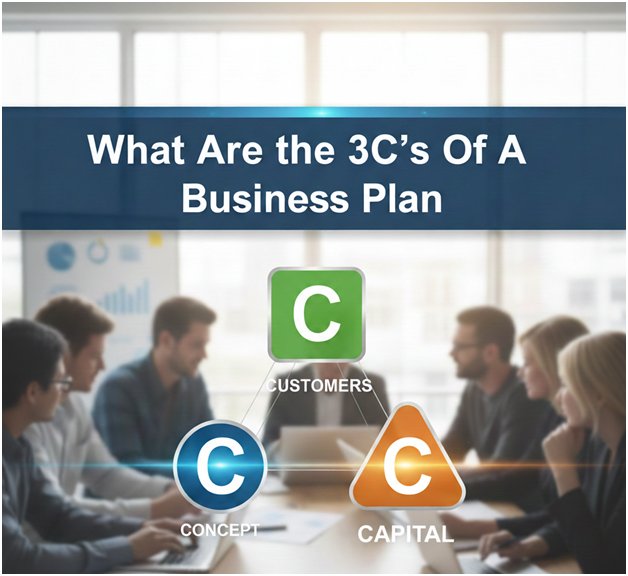
Business plan writing is pretty much like going on an adventure. You need a clear roadmap, a sense of direction, and a backup plan in case something goes wrong. One wrong turn, one wrong move, and you're in trouble. Coming up with a plan without these three is more or less like going into a forest with nothing to guide you. The result? Poor decision and horrible performance.
Now you might ask
"What are these three tools when we talk about business plan writing?"
It's the 3 C's: concept, customer, and capital.
"This is confusing. How can I use these three tools?"
Think of these as the three pillars holding up your plan, the most important document your company can have. Take one of them out, and the company collapses. They either make or break written plans.
If you want to learn more about them, you've come to the right place. In this blog, we'll be discussing everything you need to know about writing business plans with these three C's and much more.
The Secret Recipe of Business Plan Writing
Coming up with a business plan is a lot like making a dish from scratch. Get one ingredient wrong and you can't eat the food in the end. The same can be said about these 3 C's. It's a framework that helps you identify your ideas, audience, and figure out money matters.
Let's take a look at each one of these Cs one by one.
1. Concept
This goes without saying, but business plans first and foremost outline what the company does. This part can be called the "concept". It's what you want to achieve. All of this is explained in your mission statement.
Don't mistake this for the products and services section of the document. Ask any business plan writing service Winnipeg for advice, and they'll tell you to ask yourself these questions:
➢ What are my business visions?
➢ What makes my work unique?
➢ How will my company be structured?
➢ How do I want to achieve my goals?
Answering these questions will set your writing on the right path. Think of this as explaining the and how of your business.
2. Customer
Next up is the main stakeholder of your business, the customers. Without them, you cannot survive; they're what keep industries running. This is why they should be your top priority when writing the document. Do a detailed market analysis.
To function properly, you need to know who your target audience is. Without knowing who's on the other side, you can't meet their needs. Here's what you need to figure out
➢ Where is my target audience?
➢ What age bracket does it belong to?
➢ What problems do they face, and how can my products solve them?
➢ How can I ensure customer loyalty?
Apart from your customers, you must know who your competitors are. A detailed analysis will give you a clearer idea of your next step.
3. Capital
Now comes the last and most important factor, money. Your document should go into detail about how you'll handle your finances. This is something potential investors and clients are always interested in.
The financial plan is a game-changer when it comes to persuading people to work with you. Here are some questions that'll make it easier to write.
➢ How do I plan on making an income?
➢ How much do I need to start my company?
➢ Where do I get it from?
➢ Will it be enough for smooth operations?
➢ How much will the company make in the coming years?
Now we've got the 3 C's down. You might be wondering.
"What's the fuss about? Why's having a good plan so important in the first place?"
Here's why:
➢ It's your compass
A well-written document will help you think strategically. Without a good sense of direction, you'll end up making all the wrong decisions.
➢ Around 64% of failed companies have no formal business plan.
You may have the best idea, but do you have the right strategy to make it work? A business plan is just what you need to turn them into reality.
➢ Bringing the money in
No company can function without a stable source of income; this is no-brainer. Nobody's going to invest in your business if they don't see any growth potential. This is why you need a solid document that shows investors you're serious about your work.
Before you sit down to write the plan, here are some things to keep in mind.
➢ Confusion
Don't use inconsistent and vague language. Be clear with what you're offering. Focus on how it solves the audience's problem.
➢ Ignoring execution
Your goals don't matter if they're not achievable. Whether you're a startup or a welfare organization, it's easy to get too ambitious when planning. But it backfires easily. Ask any nonprofit business planning service for advice, and they'll tell you to be as realistic as you can.

➢ Miscalculation
Don't make any misinformed assumptions about your finances. Be sure about the amount you'll need to function properly. Getting these calculations is going to cost you more than just your money.
➢ 29% of startups don't succeed because they don't have a good financial plan.
People Also Ask
Q. What should the competitor analysis include?
Talk about direct and indirect competitors. Write about their strengths and weaknesses, and go into details about how you want to fill the market gaps.
Q. I'm running a nonprofit organization. How do I use this model?
The 3 C's apply to all kinds of companies, no matter what kind. As a nonprofit, you can focus on the mission, beneficiaries, and other competitors in your plan.
Q. Do these 3 C's guarantee success?
Not necessarily, but they improve your decision-making. Since they help develop a good business plan, you'll have a better chance of making progress.
Final Thought
Writing plans for businesses is about more than just getting words down on paper. Think of it as making a map for your journey ahead. These Cs are going to be your compass, map, and survival kit for the road. They're not just some business terms; they're tools that keep your vision steady.
You can also think of these as the secret ingredients of your one-of-a-kind dish (hint: it's your business plan). Leave one thing out, and your balance is gone. Remember, the key lies in these details, and you can't afford to miss any. Focus on these 3 C's, and for a document that will take your company far, far ahead of everyone else.
What's Your Reaction?