The Industrial Silo: The Key Part in Bulk Material Storage
The functioning of an industrial silo depends mostly on the design of this structure and on the material that is going to be stored there.
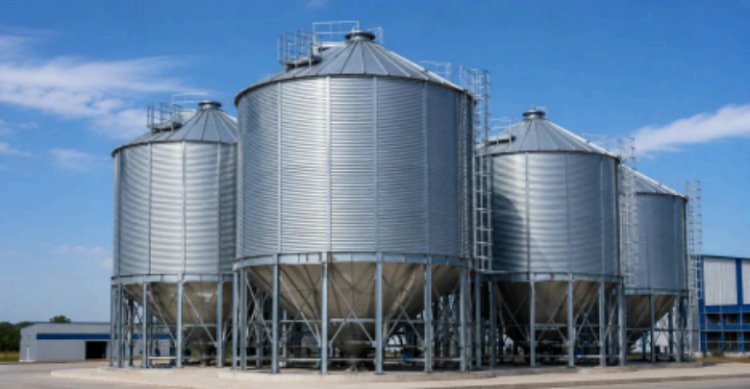
Make a trip around the manufacturing plant, grain processing company or cement producing firm, and you will definitely see huge vertically-built cylinder structures. They are called industrial silos, and despite being seemingly unimpressive, they actually serve one of the key purposes in manufacturing industry – bulk storage. From storing of raw materials to the protection of manufactured goods, the industrial silo is more than just a big container – it is a technological solution to one of the basic problems of manufacturing – bulk storage.
What is an Industrial Silo?
Bulk material storage facility is an industrial silo. The primary purpose of the industrial silo is bulk material storage including grains, cement, powders or granules. Whereas other bulk storage facilities like regular storage rooms or open storage cannot provide any protection of material from humidity, contamination or spoiling, an industrial silo does. The vertical tall shape of the silo increases its storage capacity and helps gravity to work when material unloading/loading occurs.
How Does the Industrial Silo Function?
The functioning of an industrial silo depends mostly on the design of this structure and on the material that is going to be stored there. The loading occurs using the conveyor systems, pneumatic transport and elevators from the top; the materials are stored in the silo until they need to be used further. The discharge usually takes place from the bottom of the silo using the cone-shaped outlets, and the materials fall down under the influence of gravity. Sometimes industrial silos are provided with such additional equipment as level sensors, aeration system, and temperature sensors to deal with grains or powder that can spoil due to certain climate conditions.
Why are Industrial Silos So Significant for Various Industries?
It is quite clear why various industries cannot afford to do without industrial silos considering the number of sectors where bulk storage facilities are required. In the agricultural industry, the grain silos are used for storage of wheat, corn and other harvest crops for the later use and protecting them from pests, moisture and temperature changes. In the cement industry, the silos are used to protect the powdered cement from moisture during its bulk storage. In the food processing industry and chemicals industries, special silos are used for handling powders and granulated materials.
Types of Industrial Silos
However, there are different types of industrial silos that have distinct uses and designs. Steel silos are popular for their strength and durability and a weather-resistance quality that makes them ideal for long-term outdoor storage. Concrete silos are often chosen when it is necessary to store a huge amount of materials, such as in cement and mining industries. In addition, fabric or bag silos have become popular too as they are used either for temporary storage or when facilities prefer cost-effective solutions.
Choosing the Right Industrial Silo
The selection of an appropriate silo is determined by many factors: from material type, silo size, environmental factors, as well as loading and unloading systems. For instance, silos with advanced aeration and monitoring systems are chosen when facilities store moisture-sensitive materials, while those who care only about bulk storage capacity use large concrete silos.
Final Thoughts
Although an industrial silo seems to be just a regular storage unit, it is worth mentioning that its engineering is vital for the protection of materials, the efficiency of the supply chain, and minimizing wastes. Despite the fact that modern facilities require different equipment for production processes, the silo is still an integral part of them.
What's Your Reaction?