When Does Low Blood Pressure Require Medical Treatment?
Low blood pressure affects people in different ways, and the need for medical treatment depends on symptoms, overall health, and the underlying cause.
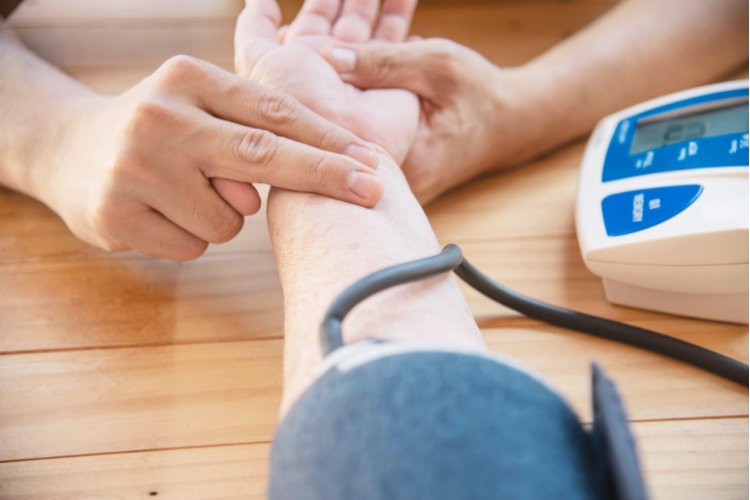
Low blood pressure, also known as hypotension, is a condition where the force of blood flowing through the arteries is lower than usual. For many people, it causes no symptoms and is simply a natural variation. However, when it is accompanied by certain symptoms or an underlying health condition, a medical evaluation may be helpful.
Recognising when to seek professional care supports timely diagnosis and appropriate care. Understanding Low Blood Pressure Treatment can help people know when symptoms may benefit from medical attention and how healthcare professionals determine the most suitable approach for each individual.
What Is Considered Low Blood Pressure?
Blood pressure is generally considered low when it measures below 90/60 mmHg. However, the numbers alone do not always determine whether treatment is needed. Healthcare professionals also consider factors such as symptoms, age, overall health, and medical history. Someone with naturally low blood pressure and no symptoms may not require any medical intervention, while another person with the same reading and noticeable symptoms may benefit from further evaluation.
Signs That Low Blood Pressure May Need Medical Treatment
Low blood pressure may benefit from medical assessment when it is accompanied by symptoms that affect daily activities or indicate an underlying health condition. Some situations where medical advice is recommended include:
● Persistent dizziness: Frequent dizziness or light-headedness may be associated with reduced blood flow to the brain and can be assessed by a healthcare professional.
● Fainting episodes: A doctor can evaluate the possible cause of fainting and recommend the most appropriate care.
● Blurred vision or difficulty concentrating: These symptoms may occur with low blood pressure and are worth discussing during a medical consultation.
● Chest discomfort or difficulty breathing: These symptoms should be assessed promptly so their cause can be identified and managed appropriately.
● Ongoing weakness or tiredness: If these symptoms continue over time, a healthcare professional can determine whether low blood pressure is contributing.
● Cold, clammy skin with confusion or rapid breathing: These symptoms may indicate the need for immediate medical assessment to support timely care.
A medical evaluation helps identify the underlying cause of these symptoms and guides the most appropriate management plan.
Who May Benefit From Medical Evaluation?
Although low blood pressure can occur in anyone, some people may benefit from closer medical monitoring. These include:
● Older adults: Age-related changes may increase the risk of low blood pressure symptoms.
● Pregnant women: Blood pressure often changes during pregnancy, and regular medical guidance helps support maternal and baby health.
● People with long-term health conditions: Heart conditions, diabetes, hormonal disorders, and neurological conditions may influence blood pressure levels.
● People taking prescribed medicines: Some medicines may affect blood pressure, and a doctor can review treatment if symptoms develop.
Discussing recurring symptoms with a healthcare professional helps ensure appropriate care based on individual health needs.
What Happens When You See a Doctor?
During your appointment, the doctor will discuss your symptoms, medical history, lifestyle, and any prescribed medicines you are taking. Your blood pressure may be checked in different positions, such as sitting, lying down, and standing. If required, blood tests, an electrocardiogram (ECG), or other investigations may be recommended to identify the underlying cause.
The goal of low blood pressure treatment is to identify and manage the underlying condition contributing to low blood pressure rather than focusing only on the blood pressure reading. Based on the findings, your doctor will recommend a personalised care plan that best suits your health needs.
Supporting Your Health Alongside Medical Care
Simple lifestyle measures can support healthy blood pressure and overall wellbeing. Your healthcare professional may recommend the following:
● Stay well hydrated: Drinking enough fluids helps maintain healthy blood volume throughout the day.
● Stand up gradually: Moving slowly from sitting or lying down gives the body time to adjust to changes in position.
● Manage existing health conditions: Following the recommended care plan supports overall health and stable blood pressure.
● Attend follow-up appointments: Regular reviews allow healthcare professionals to monitor progress and provide guidance when needed.
These measures work alongside professional medical advice and contribute to better long-term health.
Conclusion
Low blood pressure affects people in different ways, and the need for medical treatment depends on symptoms, overall health, and the underlying cause. Paying attention to how you feel and seeking medical advice when symptoms are persistent can support timely evaluation.
A healthcare professional can determine the reason for low blood pressure and recommend appropriate care based on your individual needs. Early assessment and personalised guidance help support better health and everyday wellbeing.
What's Your Reaction?