Scientific Equipment – Different types, Uses and Smart Buying Tips
Scientific apparatus means instruments, vessels and devices used in the performance of experiments, measurements and recording of observations.
Walk into any school lab, research institute or testing facility, and you’ll see the same thing. The results depend on the tools behind them. Scientific apparatus is the backbone of every experiment and I've learned over a decade writing about lab equipment that labs are seldom short of talent. They pick the wrong tools, they store them wrong, they maintain them wrong, and they struggle.
What is Scientific Apparatus?
Scientific apparatus means instruments, vessels and devices used in the performance of experiments, measurements and recording of observations. It includes anything from a simple glass beaker to a precision analytical balance. Purpose is the common thread through all of this, yielding data that is accurate and repeatable under controlled conditions.
In a general sense, scientific instruments are classified into the following groups:
Containers and Glassware
Beakers and flasks hold, mix and heat liquids. Burettes and pipettes are used to deliver accurate volumes of material for titrations. Reactions and cultures are in petri dishes and test tubes .
Measuring instruments
An analytical balance can measure samples to fractions of a mg. A pH meter measures the acidity of solutions. Thermometers and data loggers accurately track temperature over time.
Machines for heating and sterilizing
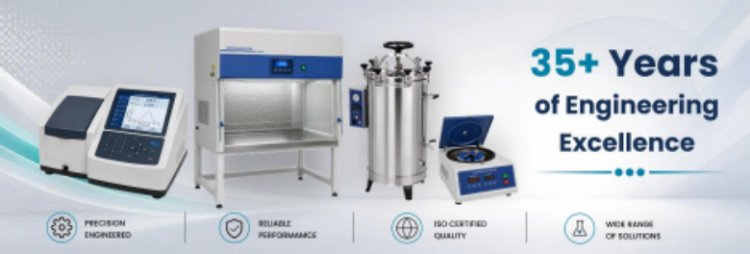
Autoclave: Steam sterilization with pressure. Hot air oven: For sterilization of glassware and powders by dry heat. Water baths and hot plates: Supply gentle, controlled heating.
Optical & Analytical Equipments
A microscope lets us see cells and fine structures magnified, while a spectrophotometer can be used to measure how much light is absorbed and thus estimate concentration.
Choosing the Right Scientific Equipment
If you’re in a lab and they say, where do we start, I would say go through a few points before you start looking at prices. In the subject field, but also the specific experiment/test. Fit precision to need. If you don’t use that precision, it’s a waste of budget. Choose borosilicate glass and stainless steel as they are more heat and chemical resistant. Look for ISO, CE or relevant calibration certificates. Finally check warranty conditions and availability of spare parts.
Basic Safety and Handling
Good habits protect people and equipment. Inspect glassware before use for chips and cracks. Any damaged piece can break out in heat Always wear gloves and eye protection when dealing with chemicals. Mark all containers. Most people do not realize how many accidents are caused by unmarked solutions.
Maintenance & Calibration
Even the best scientific instruments will wander over time. Wipe clean after use to avoid the build up of hardened residues. Store fragile instruments in dry, dust-free cabinets. Calibrate measuring equipment against traceable standards. Keep a logbook of dates, readings and faults.
Frequent Buyer Mistakes
Many first-time buyers opt for the cheapest model, only to spend more on repairs and replacements. Some people don’t think about bench space and power needs until delivery day.
Last Words
Reliable scientific tools protect your data, your budget and your team’s time. Know your needs, check for quality and standards, and promise to maintain regularly. Then your equipment will keep giving you reliable results, year after year.
What's Your Reaction?