Bay 5 Drum Unit Commissioning Reading Log
Commissioning reading log for a new drum heating oven and motor drying oven installation, covering temperature spread, sensor calibration checks, and panel sign off notes.
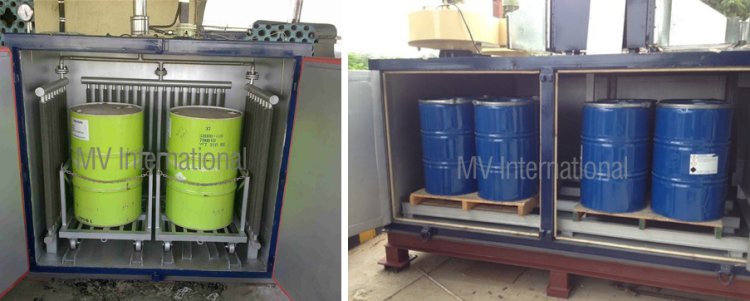
Commissioning check on the new drum heating oven installed in Bay 5 ran across two shifts this week, alongside a motor drying oven unit brought online in the same corner of the plant for a small batch of rewound stators. This was the first full run on both units after installation, so the readings logged here are mostly about how the equipment settled in rather than any fault chasing.
First Heat Up On The Drum Line
Chamber temperature on the drum heating oven climbed to 76 degrees Celsius within the first thirty five minutes, a touch slower than the vendor's reference figures, which is fairly normal for a unit still settling into the plant's power supply and ambient conditions. The rear wall thermocouple read 2 degrees below the front panel gauge, a gap that narrowed to under a degree once the chamber had been running close to an hour. Circulation fan noise stayed even, no rattling from the mounting bracket, and the door seal held pressure without any visible gap when checked by hand along the edges.
Drums loaded near the heater bank side showed a faster surface temperature rise compared to drums placed toward the door, a spread of close to 5 degrees noted during the midpoint check. This kind of gradient is common on a first run before the loading pattern gets adjusted based on how the chamber actually behaves rather than the layout sheet from installation.
Readings Logged During The First Cycle
● Primary chamber gauge: 76°C at 35 minutes, holding steady after 55 minutes
● Rear wall thermocouple: 2°C below front panel initially, narrowed to under 1°C
● Heater phase current draw: within 0.4 amp spread across all three phases
● Door seal pressure: even along all edges, no gap detected by hand check
Motor Bay Unit Settling In
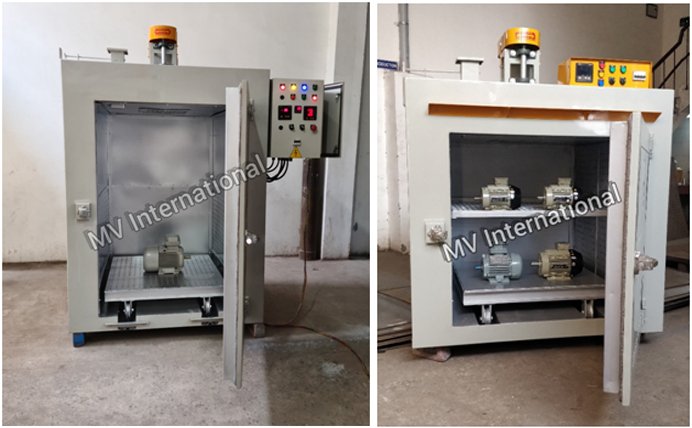
The motor drying oven brought in for coil drying on the rewound stators showed a wider rack to rack spread than expected on the first cycle, close to 6 degrees between the top and bottom shelf. That narrowed a fair bit by the second cycle once the load was spread more evenly instead of stacked toward one side. Winding insulation on the stators pulled after the first run looked a shade darker near the heater facing edge, nothing that reads as a concern at this stage, more a pattern to keep watching as more cycles run through the unit.
"Give it a few more cycles before judging the rack spread," was the line from the technician handling the handover, and that matched what the second run showed once the load pattern was corrected.
Cross Checks On Nearby Applications
An electrode drying station running in the adjoining bay was checked during the same commissioning window since it shares a power distribution panel with the new drum unit. No voltage dip was recorded on the shared panel when both units ran heater elements at the same time, which was one of the things flagged for review before installation was signed off. A core baking batch scheduled on the conveyor-based continuous heating line further down the floor ran on its usual cycle without disruption, confirming the new load on the panel wasn't pulling enough current to affect other equipment on the same circuit.
Panel And Sensor Check Before Sign Off
Electrical panel on both new units showed clean terminal connections, no discoloration, and torque on the lugs matched the installation checklist figures from the vendor. Sensor calibration was cross checked against a handheld reference probe on both chambers, drum unit tracked within half a degree of the reference across the tested range, motor bay unit tracked within a degree at the lower end and closer to 2 degrees at the upper end of its range, a gap worth another look during the next scheduled calibration pass rather than something addressed mid commissioning.
Notes on panel wiring practices and load balancing for both newly commissioned units were compared against similar commissioning records filed from earlier installations, and both new units were cleared for regular production scheduling from the following week.
Temperature controller on the drum line was checked one final time before the commissioning window closed, readings logged against the vendor reference sheet, main power supply switched off on both new units, and the bay doors latched shut properly before the crew moved on to the next scheduled installation walkthrough.
What's Your Reaction?