Banana Ripening Chamber manufacturers & Supplier
A banana ripening chamber is a specially designed facility where raw green bananas are exposed to controlled temperature, humidity, ventilation, and ethylene dosing system.
What Exactly Is a Banana Ripening Chamber?
A banana ripening chamber is not just a “room with cooling.”
It’s a purpose-built, airtight, insulated environment designed to:
-
Control temperature with high accuracy
-
Maintain specific humidity levels
-
Circulate air evenly across every pallet
-
Introduce ethylene gas in controlled doses
-
Remove excess carbon dioxide
-
Ripen fruit uniformly and predictably
In the USA, these chambers are used not only for bananas, but also for:
-
Avocados
-
Mangoes
-
Tomatoes
-
Kiwis
-
Papayas and more
But bananas remain the largest volume ripening application in the country.
Why America Depends So Heavily on Ripening Chambers
The United States is one of the largest banana-consuming nations in the world.
Think about that for a moment.
Bananas are:
-
Affordable
-
Available year-round
-
A staple in homes, schools, gyms, and offices
-
One of the most eaten fruits in the country
But they are not grown commercially in most of the USA.
That means:
-
Nearly every banana is imported
-
Nearly every banana must be ripened in controlled conditions
-
Nearly every banana you see has passed through a ripening chamber
Without this industry, the banana supply chain in America would collapse.
The Rise of Professional Ripening Infrastructure in the USA
Decades ago, ripening was a rough process.
Warehouses used improvised rooms. Controls were basic. Results were inconsistent.
Sometimes fruit ripened unevenly. Sometimes it ripened too fast. Sometimes entire shipments were lost.
As American retail standards became stricter, supermarkets demanded:
-
Better color consistency
-
Better shelf life
-
Better taste
-
Lower waste
That pressure gave birth to a new generation of specialized banana ripening chamber manufacturers and suppliers in the USA.
Today, these companies design:
-
Fully automated ripening rooms
-
Smart control systems
-
Energy-efficient airflow designs
-
Large-scale ripening facilities capable of handling thousands of boxes per day
Who Uses Banana Ripening Chambers in the USA?
The customers are everywhere in the produce ecosystem:
-
Large fruit importers
-
Distribution centers
-
Cold storage warehouses
-
Wholesale produce markets
-
Supermarket chains
-
Food service suppliers
-
Banana brands and private label packers
In many American cities, there are entire facilities dedicated only to ripening fruit.
They don’t grow. They don’t sell retail.
They ripen.
And that’s their business.
How a Modern Banana Ripening Chamber Works
Let’s walk through a typical cycle:
1. Loading
Green bananas arrive in boxes stacked on pallets. They’re placed inside the chamber, and the door is sealed.
2. Preconditioning
The system stabilizes temperature and airflow to prepare the fruit.
3. Ethylene Introduction
A tiny amount of ethylene gas (the natural ripening hormone) is introduced. This “tells” the bananas to start ripening.
4. Controlled Transformation
Over the next few days:
-
Temperature is held steady
-
Humidity is carefully controlled
-
Fresh air and exhaust cycles keep gases balanced
5. Color and Sweetness Development
The bananas slowly change color and texture, reaching the exact stage requested by the customer.
6. Dispatch
The chamber is opened, pallets are removed, and the bananas are shipped to stores—perfectly timed for sale.
Why Manufacturers and Suppliers Matter So Much
A ripening chamber is not a cheap cold room.
It’s a precision system.
If airflow is wrong → uneven ripening
If temperature control is unstable → poor quality
If gas control is inaccurate → off-flavors or damage
If insulation is poor → energy waste and high costs
That’s why choosing the right banana ripening chamber manufacturer or supplier in the USA is a critical business decision.
The best companies don’t just sell rooms.
They sell:
-
Reliability
-
Predictability
-
Efficiency
-
Consistency
What Makes a Great Banana Ripening Chamber Manufacturer?
In the American market, the top manufacturers and suppliers usually share these qualities:
1. Deep Understanding of Fruit Physiology
They don’t just build boxes. They understand how fruit breathes, ripens, and reacts.
2. Custom Design Capability
No two facilities are the same. Good suppliers design chambers based on:
-
Room size
-
Throughput needs
-
Local climate
-
Energy costs
-
Workflow
3. Strong Control Systems
Modern ripening rooms use advanced controllers that manage:
-
Temperature
-
Humidity
-
Ethylene dosing
-
Venting cycles
-
Alarms and safety systems
4. Energy Efficiency
In the USA, electricity and gas costs are major concerns. Smart airflow and insulation design can save huge amounts of money.
5. After-Sales Support
Downtime in a ripening facility means lost fruit and lost money. The best suppliers offer:
-
Fast service
-
Spare parts support
-
Remote troubleshooting
-
Training for staff
Types of Banana Ripening Chambers Used in the USA
1. Single-Room Ripening Chambers
-
Good for small to medium operations
-
One room = one ripening cycle
-
Flexible and simple to manage
2. Multi-Room Ripening Facilities
-
Used by large importers and distribution centers
-
Dozens of chambers working in parallel
-
Each room can run a different program
3. Drive-In Ripening Rooms
-
Forklifts drive directly into the room
-
Fast loading and unloading
-
Very popular in high-volume American warehouses
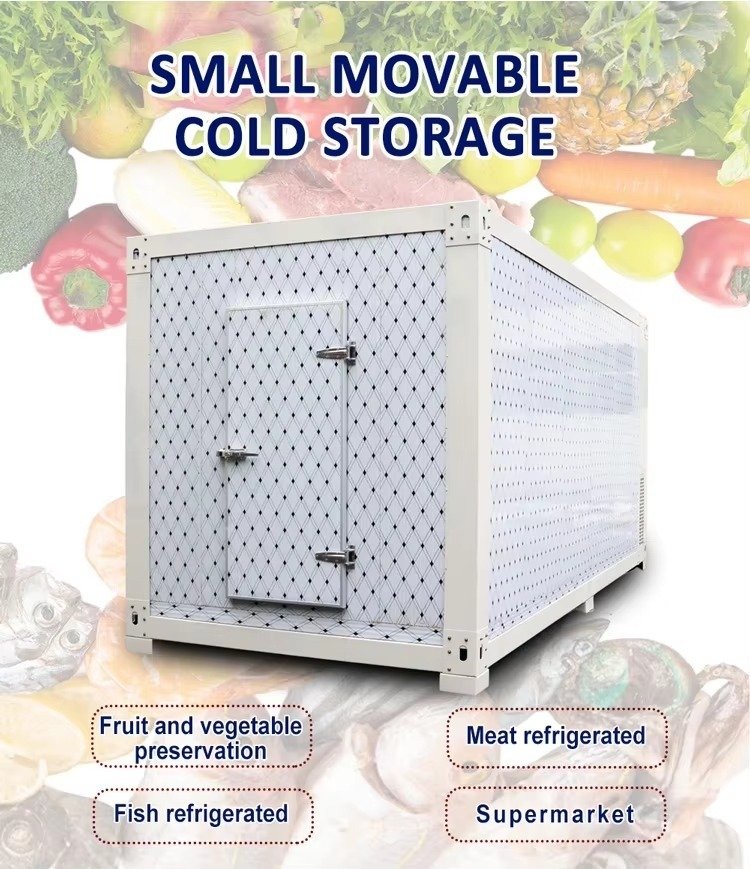
4. Containerized Ripening Chambers
-
Modular, factory-built units
-
Quick to install
-
Ideal for expansion or temporary capacity
The American Focus: Scale, Speed, and Consistency
The USA market is unique.
Here, ripening operations often deal with:
-
Massive daily volumes
-
Tight delivery windows
-
Strict quality standards from retail chains
-
High labor and energy costs
That’s why American banana ripening chamber suppliers focus heavily on:
-
Automation
-
Labor-saving designs
-
Fast cycle times
-
Data tracking and reporting
-
Integration with warehouse management systems
How Technology Is Changing Banana Ripening in the USA
Modern chambers are not just mechanical systems anymore.
They are becoming smart systems.
Some facilities now use:
-
Remote monitoring
-
Cloud-based performance tracking
-
Automated ripening recipes
-
Predictive maintenance alerts
-
Data analytics to reduce waste
This is especially important in the USA, where:
-
Labor is expensive
-
Energy costs fluctuate
-
Retail penalties for poor quality can be severe
The Business Case: Why Companies Invest in Better Ripening Chambers
A high-quality ripening system can:
-
Reduce fruit losses
-
Improve consistency
-
Increase customer satisfaction
-
Lower energy bills
-
Increase throughput
-
Improve brand reputation
In many cases, the return on investment comes not from ripening more fruit, but from wasting less fruit.
The Human Side of the Industry
Behind every ripening facility are people:
-
Warehouse managers checking color charts
-
Technicians monitoring temperature curves
-
Forklift drivers moving pallets in and out
-
Quality inspectors cutting fruit to check ripeness
For them, the ripening chamber is not a machine.
It’s a tool they depend on every day.
Good manufacturers understand this and design systems that are:
-
Easy to operate
-
Easy to clean
-
Easy to maintain
-
Safe to work around
Common Challenges in Banana Ripening (And How Good Suppliers Solve Them)
Uneven Ripening
Solved by:
-
Better airflow design
-
Proper stacking patterns
-
More accurate control systems
High Energy Costs
Solved by:
-
Improved insulation
-
High-efficiency fans
-
Smarter defrost and venting cycles
Inconsistent Results
Solved by:
-
Standardized ripening programs
-
Automation
-
Staff training
Equipment Downtime
Solved by:
-
Better components
-
Preventive maintenance
-
Strong after-sales support
What to Look for When Choosing a Banana Ripening Chamber Supplier in the USA
If you’re in the market, focus on:
-
Proven experience in fruit ripening
-
Understanding of American logistics and standards
-
Ability to customize solutions
-
Strong service network
-
Transparent communication
-
Long-term partnership mindset
This is not a “buy once and forget” type of equipment.
It’s a core part of your operation.
The Future of Banana Ripening in America
The industry is moving toward:
-
Even more automation
-
Lower carbon footprints
-
Better data-driven decision making
-
Higher precision in ripening stages
-
Integration with the entire cold chain
As consumers become more demanding and retailers become stricter, ripening technology will continue to evolve.
And the manufacturers and suppliers who adapt fastest will shape the next generation of America’s fruit supply chain.
Final Thoughts: The Quiet Heroes of the Produce World
Next time you pick up a perfectly yellow banana in a U.S. supermarket, remember:
It didn’t get there by accident.
It passed through a carefully engineered system, designed and built by specialized banana ripening chamber manufacturers and suppliers who rarely get any attention—but without whom the entire system would fail.
They don’t grow fruit.
They don’t sell fruit.
They make fruit ready for the world.
And in a country as big and demanding as the United States, that’s no small achievement.
Frequently Asked Questions (FAQs)
1. What is the main purpose of a banana ripening chamber?
The main purpose is to ripen green bananas in a controlled, uniform, and predictable way using temperature, humidity, airflow, and ethylene control.
2. How long does it take to ripen bananas in a chamber?
Typically, it takes between 4 to 7 days, depending on the desired ripeness level and the ripening program used.
3. Are banana ripening chambers only used for bananas?
No. They are also widely used for avocados, mangoes, tomatoes, and other climacteric fruits.
4. Is ethylene gas safe?
Yes. Ethylene is a natural plant hormone. When used properly in controlled systems, it is safe and widely used in the food industry.
5. How important is airflow in a ripening chamber?
Airflow is critical. Without proper airflow, ripening will be uneven and fruit quality will suffer.
6. Can small businesses use ripening chambers?
Yes. There are small and modular systems designed for smaller operations and regional distributors.
7. What is the biggest mistake in banana ripening?
Poor temperature and airflow control, which leads to uneven color and inconsistent quality.
8. How long do ripening chambers last?
With good maintenance, a high-quality ripening chamber can operate efficiently for many years.
9. Do modern chambers require skilled operators?
They are much more user-friendly today, but trained staff always produce better and more consistent results.
10. Why is the USA such a big market for ripening chambers?
Because the USA imports massive volumes of bananas and other fruits and demands very high quality and consistency standards.
What's Your Reaction?