Building Blocks of Learning: The Case for Indian K–12 Content Expertise
Digital content can enable learners with diverse needs, such as different paces, abilities and learning styles. Content creators in K–12 education carefully consider access to devices in their content, including clear narration, adjustable font size, and simplified navigation.
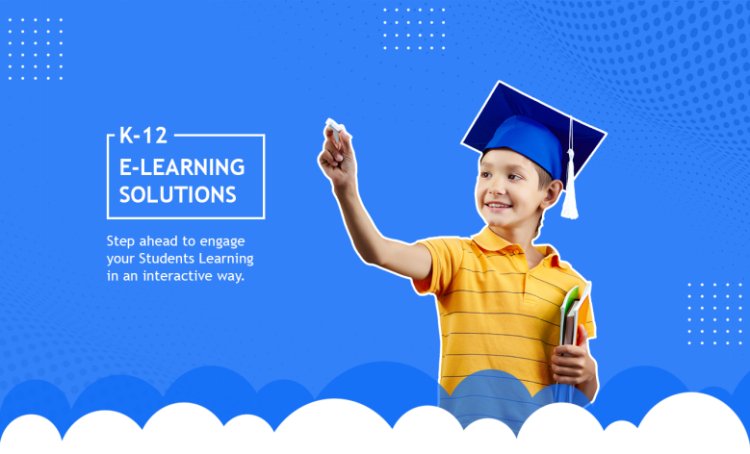
Digital education has changed the way young people learn and absorb knowledge, pushing the learning environment beyond the books and into digital experiences. This transformation can be attributed to the thoughtful content design that has been developed by educators and creators who know how children learn best. India has now become an integral player in this field, having knowledge in various education traditions. The article delves into five compelling reasons for seriously considering K–12 content development company in India for addressing digital education requirements.
1. The Evolving Nature of Young Learners' Needs
Children's expectations of learning and engaging with their educational content are being influenced by their early experiences with technology. Digital content needs to be more than just textbooks; it needs to be interactive, visual, and relatable, providing a more engaging learning experience for students. This change is worth knowing in order to give educational institutions a sense of why they can't be satisfied with just the content.
2. Why Foundational Education Deserves Special Care
K–12 education is unique in that it affects the way learners think, their curiosity and their future academic self-confidence, as opposed to learning in adulthood. Content for young learners needs to be, therefore, educational, accurate, and engaging to the age-level, so that lessons are both correct and fun. The balance needs to be achieved with a specialized knowledge that would not be possible to achieve through generic content adaptation.
3. The Role of Collaboration Between Educators and Developers
K–12 content that is successful often results from the close partnership between the content experts and the content developers. This collaboration guarantees that educational content remains accurate and presentation remains engaging and age-appropriate. Institutions must look for developers who are willing to engage educators during the entire development process, not just from the initial stages. This is a cooperative effort to enhance the quality of content, in such a way that lessons would not only be academic but also fun to young learners.
4. Supporting Inclusive and Accessible Education
Digital content can enable learners with diverse needs, such as different paces, abilities and learning styles. Content creators in K–12 education carefully consider access to devices in their content, including clear narration, adjustable font size, and simplified navigation. This factor will ensure that no child is left out of any meaningful learning experiences. Institutions with an emphasis on inclusivity will want to find developers who not only recognize and understand these various accessibility requirements, but also take them into account when designing content.
5. Preparing Students for a Digital Future
In addition to the academic content, good digital education also introduces students to the digital tools themselves, and therefore to the tools and technology in general, which helps to create comfort and confidence in using digital tools. Such early exposure helps to build a range of skills which may help him/her in the wider world of education and employment where technology plays a greater role in their lives. Acknowledging this is a two-fold benefit is why it is important to consider the impact of digital content not just on subject content but on a child's whole-life development and ability to adapt.
Conclusion
When selecting a K–12 e-learning content development company in India, institutions gain access to a wealth of experience across the curriculum, a child-centred approach, and a thoughtful consideration of multiculturalism. Educational institutions can design digital learning experiences that truly foster young learners' growth and curiosity by focusing on these strengths.
What's Your Reaction?