Silos – Manufacturers: Which Manufacturer Is Right for You?
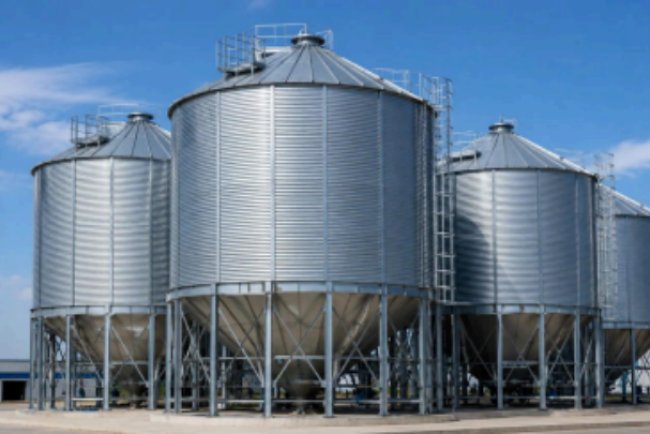
Each maker typically specializes in producing one of the basic silo types. Bolted and welded silos, manufactured out of stainless steel, can be used to store grain, cement, fly ash, or plastic pellets.
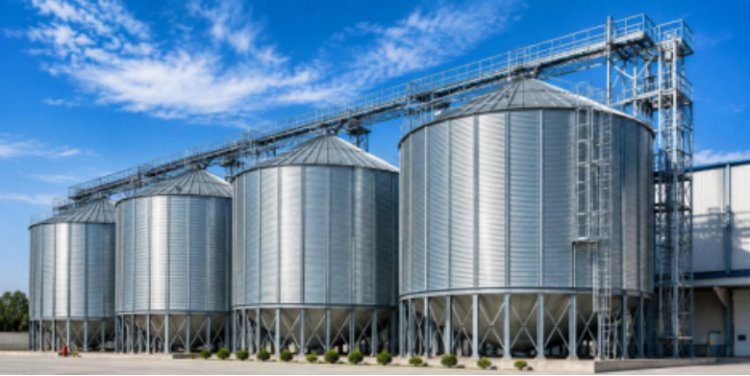
All manufacturers will offer you a cylindrical structure that will have a cone at the bottom. The real difference lies in what comes next. The manner in which the design of the silo will be engineered for your specific product, the way the silo will behave in case of monsoons or seismic activity, or whether there is someone to assist you if your discharge gate gets frozen in the middle of the night. Because this structure will serve for 25 years or more, it is wise to make the right choice.
What Products Does Storage Silo Makers Make?
Each maker typically specializes in producing one of the basic silo types. Bolted and welded silos, manufactured out of stainless steel, can be used to store grain, cement, fly ash, or plastic pellets. Galvanized corrugated silos are designed for farms and feed plants because they are simple to assemble and don’t rust. The other makers might produce hopper bottom silos, flat-bottom silos equipped with sweep augers, conveyors, bucket elevators, and dust collectors.
Points to Check Before Purchase
Material Flow Expertise
Flow of powder and granular material is different from each other. The cement might flow like a liquid, but the wetted animal feed may not flow because it will arch at the outlet. The expert producer would definitely like to know the bulk density, moisture content, particle size, and angle
of repose before drawing anything. If the producer does not do any of these before giving you an estimate, then it raises many red flags.
Design Compliance and Certification
Look for compliance with known standards such as IS codes, ISO 9001, and structural design against wind and earthquake loads in your region. Ask for calculation sheets instead of just brochures from manufacturers. A good manufacturer has nothing to hide.
Fabrication Quality and Rust Resistance Properties
Based on the quality of welding, grade of steel, and thickness of anti-corrosive coating, you can have an idea about the life span of your silo in terms of its resistance against rusting. In this regard, ask for galvanizing or epoxy lining services from the manufacturer.
Installation and Customer Services
It would make no sense having an excellently designed silo that will be poorly installed. Inquire about the erection department of the manufacturer and their capabilities to coordinate with your foundation drawings as well as providing level indicators and other spares such as gateways and aerations.
Red Flags to Avoid
Don't go for very low quotations, lack of material specifications, and absence of reference site where you can visit the silos. The best way to verify the performance of the company would be references; thus contact at least two or three.
Conclusion
Choosing a silo manufacturer is not just about pricing but engineering skills, good construction, and services as well. Make sure that you supply all details related to your material right from the start. Also, don't hesitate to ask for calculations and, if possible, visit their site too. This will be worth the effort.
What's Your Reaction?