Pharmaceutical Leak Test Apparatus Working Principle and Uses
A Leak test apparatus is an instrument used to identify leaks in sealed packages. This apparatus is most commonly used in the pharmaceutical, packaging, and food industries to ensure product quality and safety in compliance with international standards.
Chapter 1: A Story of Precision – Why Leak Testing Matters
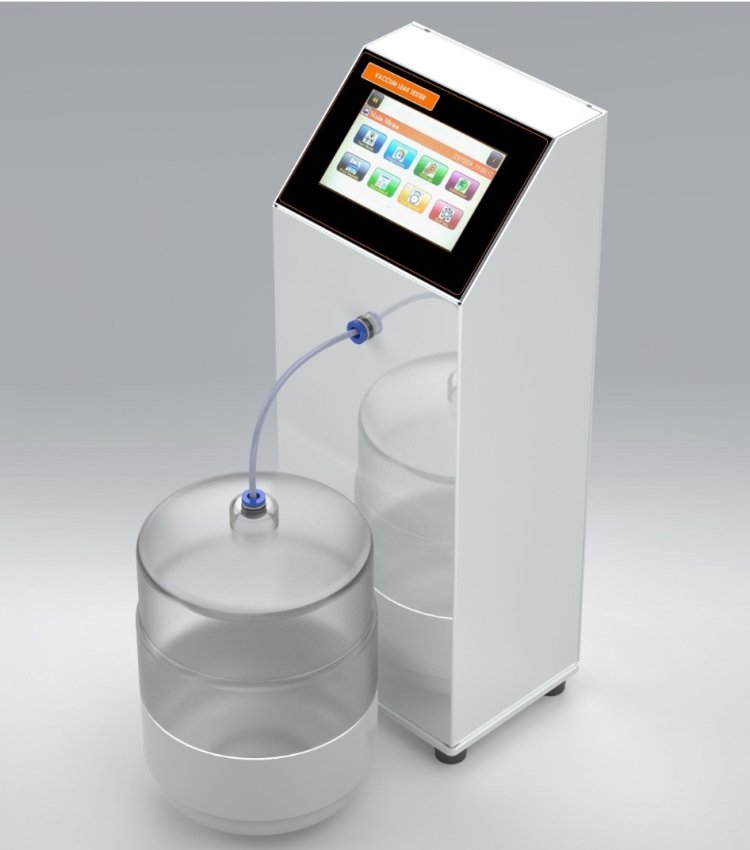
Inside this controlled chaos, a leak test apparatus quietly evaluates each product. It doesn’t rely on appearance; it relies on science. It checks whether the product can truly hold pressure, maintain integrity, and withstand real-world conditions.
Because in manufacturing, what you don’t see can hurt you the most.
Chapter 2: What is a Leak Test Apparatus?
A Leak Test Apparatus is a specialized device used to detect and measure leaks in sealed systems or components. It ensures that products are airtight or watertight according to required standards.
These systems are widely used across industries such as:
- Automotive manufacturing
- Medical device production
- Food and beverage packaging
- Aerospace engineering
- Electronics and battery manufacturing
At its core, the apparatus answers one simple question:
“Can this product hold what it’s supposed to hold?”
Chapter 3: The Working Principle – How It Actually Detects Leaks
The working principle of a leak test apparatus revolves around pressure, vacuum, and flow measurement. While different methods exist, the basic concept is beautifully simple.
1. Pressure Decay Method
This is one of the most common techniques used in the U.S.
- The test object is filled with air or gas at a specific pressure
- The system is sealed
- Pressure is monitored over time
If the pressure drops, it indicates a leak.
Why it works:
A sealed system should maintain constant pressure. Any drop means gas is escaping somewhere.
2. Vacuum Decay Method
Instead of pressurizing the object, this method removes air:
- A vacuum is created inside a chamber
- The product is placed inside
- Sensors detect any pressure changes
If air enters the system, it indicates leakage.
3. Bubble Emission Testing
A more traditional but still effective method:
- The object is submerged in water
- Air pressure is applied inside
- Escaping air forms bubbles
Simple, visual, and surprisingly effective.
4. Mass Flow Testing
This method measures how much gas flows into or out of a system:
- A constant pressure is applied
- The system measures flow rate changes
- Any variation indicates leakage
5. Helium Leak Testing
Used in highly sensitive industries:
- Helium gas is used because it’s small and easily detectable
- Specialized sensors identify even microscopic leaks
This is common in aerospace and high-end electronics manufacturing in the U.S.
Chapter 4: Components of a Leak Test Apparatus
Behind every reliable leak test system is a combination of precision-engineered components:
1. Pressure Regulators
Control the amount of air or gas entering the system.
2. Sensors
Detect pressure changes, flow variations, or gas presence.
3. Test Chamber
Where the product is placed during testing.
4. Control System
Usually a digital interface that manages test parameters and displays results.
5. Valves and Connectors
Ensure airtight connections and proper flow control.
Chapter 5: Types of Leak Test Apparatus
Different industries require different levels of sensitivity and speed.
1. Portable Leak Testers
- Used for field testing
- Ideal for maintenance and inspections
2. Automated Leak Testing Systems
- Integrated into production lines
- High-speed testing for mass production
3. Benchtop Leak Testers
- Used in laboratories and quality control departments
4. Customized Leak Testing Machines
- Designed for specific applications like EV batteries or medical packaging
Chapter 6: Real-World Uses Across the United States
Let’s step into real industries and see how leak testing plays a role.
1. Automotive Industry
In Detroit and beyond, leak testing ensures:
- Fuel systems don’t leak
- Air conditioning units remain sealed
- Brake systems function safely
A tiny leak here can lead to safety hazards or regulatory issues.
2. Medical Device Manufacturing
In places like California’s biotech hubs:
- Syringes
- IV bags
- Implantable devices
All undergo strict leak testing to ensure sterility.
3. Food and Beverage Packaging
Think about your favorite snack.
Leak testing ensures:
- Packaging remains airtight
- Food stays fresh
- Contamination is prevented
Modified Atmosphere Packaging (MAP) heavily relies on leak detection.
4. Aerospace Industry
In aerospace manufacturing:
- Fuel tanks
- Hydraulic systems
- Cabin pressure systems
Even microscopic leaks can be catastrophic.
5. Electronics and Battery Manufacturing
With the rise of electric vehicles in the U.S.:
- Battery packs must be sealed
- Moisture intrusion must be prevented
Leak testing ensures durability and safety.
6. Pharmaceutical Industry
Drug packaging must maintain integrity:
- Blister packs
- Vials
- Ampoules
Leak testing ensures the medicine inside remains effective.
Chapter 7: Advantages of Leak Test Apparatus
Why do industries invest heavily in these systems?
1. Ensures Product Quality
Maintains consistency across production batches.
2. Enhances Safety
Prevents hazardous leaks in critical systems.
3. Reduces Waste
Detects defects early, minimizing rework.
4. Compliance with Regulations
Meets strict U.S. standards and certifications.
5. Builds Customer Trust
Reliable products lead to satisfied customers.
Chapter 8: Challenges in Leak Testing
Despite its importance, leak testing isn’t without challenges:
1. Sensitivity Requirements
Some industries require detection of extremely small leaks.
2. Testing Speed
High-speed production lines demand quick results.
3. Calibration
Regular calibration is essential for accuracy.
4. Cost
Advanced systems can be expensive, especially for small businesses.
Chapter 9: Future Trends in Leak Testing
The future of leak testing in the U.S. is evolving rapidly.
1. Automation and AI Integration
Smart systems can detect patterns and predict failures.
2. IoT-Enabled Devices
Real-time monitoring and remote diagnostics.
3. Non-Destructive Testing Advancements
Ensuring products remain intact after testing.
4. Sustainable Testing Methods
Reducing energy consumption and environmental impact.
Chapter 10: Choosing the Right Leak Test Apparatus
If you’re a manufacturer, choosing the right system depends on:
- Type of product
- Required sensitivity
- Production volume
- Budget
- Industry standards
A well-chosen leak tester becomes an investment—not an expense.
Chapter 11: A Day in the Life of a Leak Test System
Imagine a factory floor in Texas:
- Thousands of products move through assembly lines
- Each unit pauses briefly at a testing station
- Within seconds, the leak tester evaluates integrity
- Defective products are automatically rejected
No drama. No noise. Just silent assurance.
That’s the beauty of leak testing—it works quietly, but its impact is enormous.
Conclusion: The Silent Hero of Modern Manufacturing
Leak Test Apparatus may not be glamorous, but it is indispensable. It protects industries, safeguards consumers, and ensures that the products we rely on every day perform flawlessly.
From the cars we drive to the medicines we trust, leak testing plays a role in nearly every aspect of modern life in the United States.
It’s not just about detecting leaks—it’s about protecting trust, ensuring safety, and delivering quality without compromise.
Frequently Asked Questions (FAQs)
1. What is the main purpose of a leak test apparatus?
The main purpose is to detect and measure leaks in sealed products to ensure they meet quality and safety standards.
2. Which industries use leak testing the most?
Industries such as automotive, medical devices, food packaging, aerospace, electronics, and pharmaceuticals heavily rely on leak testing.
3. What is the most common leak testing method?
The pressure decay method is one of the most widely used techniques due to its accuracy and simplicity.
4. Is leak testing destructive?
Most modern leak testing methods are non-destructive, meaning the product remains usable after testing.
5. Why is helium used in leak testing?
Helium is used because it is a very small molecule and can easily pass through tiny leaks, making detection highly sensitive.
6. How accurate are leak test apparatus systems?
Advanced systems can detect extremely small leaks, even at microscopic levels, depending on the technology used.
7. Can leak testing be automated?
Yes, many modern systems are fully automated and integrated into production lines for high-speed testing.
8. What happens if a product fails a leak test?
It is typically rejected, repaired, or re-tested to ensure it meets required standards.
9. How often should leak testing equipment be calibrated?
Calibration frequency depends on usage, but regular checks are essential to maintain accuracy.
10. Is leak testing required by law in the U.S.?
In many industries, especially medical, automotive, and aerospace, leak testing is required to comply with safety and quality regulations.
What's Your Reaction?