Outdoor Mats That Withstand Weather & Heavy Foot Traffic
Outdoor mats live hard lives. They get stomped on, soaked, frozen, and baked in the sun. And still, we expect them to perform. To protect floors. To keep people safe. To look decent doing it.
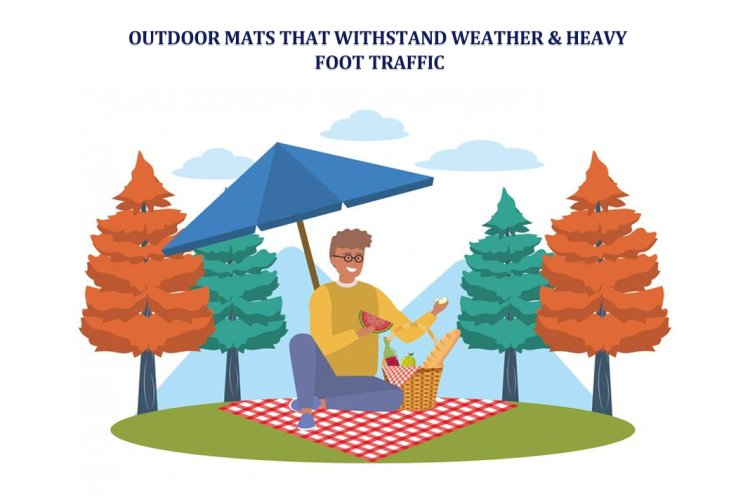
Ever bought an outdoor mat that promised “all-weather durability,” only to watch it crack, fade, or slide around within months? It happens more often than people admit. One season of rain. A busy holiday weekends. Suddenly, the mat looks tired. Useless, even.
Outdoor mats live hard lives. They get stomped on, soaked, frozen, and baked in the sun. And still, we expect them to perform. To protect floors. To keep people safe. To look decent doing it. This article dives deep into outdoor mats that truly stand up to weather and heavy foot traffic. Not the flimsy ones. The real survivors.
Why Outdoor Mats Matter More Than You Think
At first glance, an outdoor mat feels like a small detail. Something you toss by the door and forget. But that little rectangle takes a beating every single day.
Think about it. Muddy boots. Wet sneakers. Delivery drivers rushing in and out. That mat is the first line of defense. It stops dirt before it spreads. It reduces slips when it rains hard. It quietly protects expensive flooring underneath.
And there’s an image too. A worn-out mat sends a message. Neglect. Carelessness. While a solid, clean mat says someone’s paying attention. Someone planned.
Key Challenges Outdoor Mats Must Overcome
· Exposure to Harsh Weather
Rain doesn’t ask permission. Neither does snow. Or UV rays that slowly cook cheap materials, causing them to crack. Outdoor mats face it all—day after day.
Cold makes some mats brittle. Heat warps others. Water seeps in where it shouldn’t. Over time, weak mats give up.
· Heavy Foot Traffic
High traffic isn’t gentle. People don’t step carefully. They drag their feet. Twist. Pivot. Thousands of steps compress fibers until there’s nothing left to spring back.
Low-quality mats flatten fast. Edges curl. The surface goes smooth. Then they stop doing their job.
· Moisture Retention and Mold
Some mats hold water like a sponge. Sounds harmless. It’s not. Moisture leads to mildew. Smells follow. Sometimes, stains never come out.
· Slipping and Curling
A mat that moves is worse than no mat at all. Curling edges. Sliding corners. One wrong step and someone’s on the ground. Not good. Especially in businesses.
Essential Features of Weather-Resistant, High-Traffic Outdoor Mats
· Durable Materials
Everything starts with material. Rubber. Polypropylene. Vinyl. These aren’t glamorous, but they last. They’re built for punishment.
· Non-Slip Backing
This part gets overlooked—a lot. Without grip, the best surface means nothing. The mat must stay put. Period.
· Efficient Drainage
Water has to go somewhere. Mats with channels, holes, or raised patterns let moisture escape instead of pooling on top.
· UV Resistance
Sun damage is sneaky. It fades colors first. Then weakens the structure. UV-stabilized mats fight back.
· Thickness and Weight
Heavier mats don’t shift easily. Thicker mats bounce back after pressure. They feel more serious. More reliable.
Best Materials for Outdoor Mats That Endure the Elements
· Rubber Outdoor Mats
Rubber mats are the workhorses. Plain. Tough. Dependable. They don’t absorb water. They don’t crack easily. Hot or cold, rubber holds its shape. You’ll see them at busy storefronts, factories, and loading docks. That’s no accident. They’re not fancy. But they work. And sometimes that’s everything.
· Polypropylene Mats
Polypropylene is lighter. More flexible in design. You’ll find patterns, colors, and textures. It resists moisture well. Doesn’t mold easily. Dries fast after rain. Not as indestructible as rubber, but strong enough for many homes and medium-traffic areas. A good balance. Style meets function. Mostly.
· Vinyl Loop Mats
These look interesting. Almost messy. But there’s genius in the chaos. The looped surface traps dirt deep down. Water drains through. Air flows. They dry quickly, even after heavy rain. Perfect near pools. Restaurants. Anywhere wet shoes are common.
· Coir Mats
Coir mats feel classic. Natural fibers. Rustic charm. They scrape dirt like nothing else. But water is their enemy. Leave them exposed too long, and they break down. Fade. Smell. Covered porches only. And even then, expect to replace them sooner.
Types of Outdoor Mats Designed for Heavy Foot Traffic
1. Entrance Mats
These mats see the most action. Constant movement. In. Out. All day. High-quality entrance mats combine scraping and moisture control. They’re engineered, not decorative. You’ll find them in malls, offices, and hospitals. Places that can’t afford failure.
2. Anti-Fatigue Outdoor Mats
Different purpose. Same toughness. These mats support workers who stand for hours. Kitchens. Workshops. Outdoor stations. They resist compression and weather while protecting joints. Comfort matters. Durability too.
3. Scraper Mats
Aggressive. Textured. No-nonsense. Scraper mats pull mud and snow off shoes fast. Great for farms, construction sites, anywhere dirt is unavoidable.
4. Drainage Mats
Open-grid designs let debris fall through. Water drains away instantly. The surface stays dry. They’re not pretty. But they’re safe. And safety wins.
Outdoor Mats for Different Environments
Residential Use
Homes need balance—durability without looking industrial. Most homeowners want something that works but still matches the front door. Polypropylene mats do well here. Rubber-backed decorative mats, too. Looks matter. Just not more than a function.
Commercial Entrances
Businesses don’t get second chances. One slip can mean lawsuits—bad reviews. Commercial mats are thicker. Heavier. Often modular. They’re designed to meet code requirements and withstand nonstop traffic. They cost more upfront. But save money later.
Industrial and Workplace Settings
This is where mats earn their keep. Oil. Chemicals. Steel-toed boots. Extreme weather. Industrial mats must handle all of it without degrading. Solid rubber dominates here for good reason.
Maintenance Tips to Extend the Life of Outdoor Mats
Regular Cleaning
Dirt builds up fast. Shake mats out. Hose them down. Don’t let debris grind fibers into dust.
Proper Placement
Uneven ground ruins mats. Causes curling. Wear spots. Always place them flat and secure.
Seasonal Care
Snowstorms. Heat waves. Sometimes it’s smart to temporarily move mats. Give them a break.
Inspection and Rotation
Rotate mats in busy areas. Check edges. Replace damaged ones before they cause accidents. Simple habit. Big payoff.
Environmental Considerations and Sustainability
More mats are now made from recycled rubber or plastic. And that’s good. They last longer. Reduce waste. Perform just as well. Sometimes better. Sustainability doesn’t mean sacrificing durability anymore. Not like it used to.
Common Mistakes to Avoid When Buying Outdoor Mats
People make the same mistakes again and again. Buying thin mats because they’re cheaper. Choosing looks over grip, ignoring climate, and failing to measure the space. Then they replace the mat a year later. Or sooner. Ends up costing more.
How to Choose the Right Outdoor Mat for Your Needs
Ask yourself some honest questions. How many people walk over it daily? What’s the weather like most of the year? Do shoes arrive soaked? Covered in mud? Once you know the answers, the right mat becomes obvious. Almost chooses itself.
Conclusion
Outdoor mats that withstand weather and heavy foot traffic don’t scream for attention. They perform. Quietly. Consistently.
They take abuse, so your floors don’t have to. They reduce risk. They make entrances cleaner, safer, and more welcoming.
Choosing the right one isn’t about trends. It’s about understanding conditions, materials, and real-world use. Invest wisely. Maintain them well. And your outdoor mats will keep doing their job long after others have failed.
What's Your Reaction?