How Sliding Windows Enhance Indoor-Outdoor Connectivity?
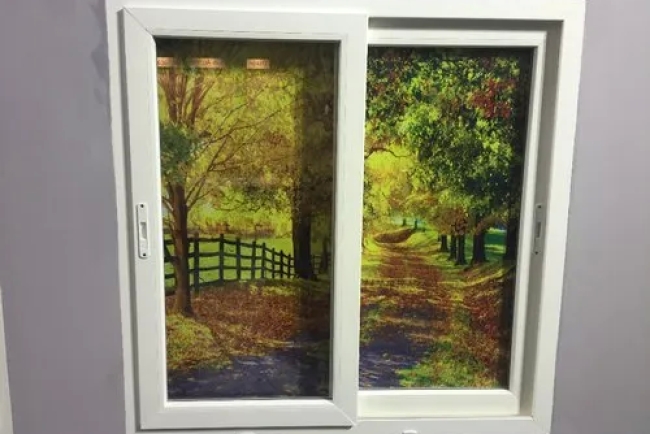
Sliding systems play a key role in improving indoor–outdoor connectivity in the housing industry. Sliding windows enhance light flow, ventilation, and visual openness while supporting efficient use of space in modern housing products.
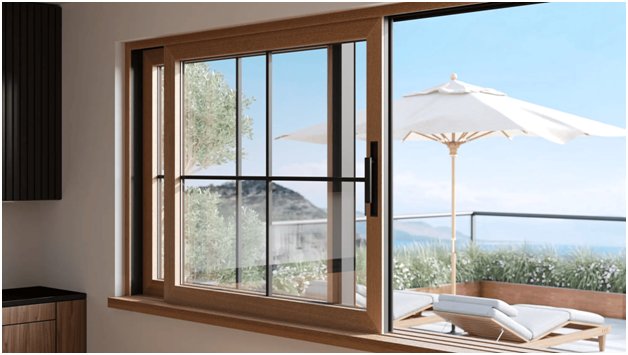
Indoor–outdoor connectivity has become an important design priority in the housing industry, especially in urban housing products where space and comfort must work together. Openings that allow light, air, and visibility to move freely between internal and external areas improve the quality of day-to-day living. Sliding windows meet this requirement by enabling wider openings without disrupting the room layout, helping to create a practical connection between indoor spaces and outdoor environments such as balconies and gardens.
Improved Light Flow and Ventilation
Sliding Windows increase natural light entry through wide glazed panels that reduce obstruction and allow daylight to reach deeper into rooms. This reduces dependency on artificial lighting during the day. Air movement also improves, as panels can be adjusted to control ventilation as needed. In the housing market, this balance of light and airflow supports healthier and more comfortable living conditions in residential spaces.
Clear Visual and Spatial Connection
Sliding windows create a continuous visual link between indoor and outdoor areas by minimising physical barriers. Large glass surfaces allow outdoor views to become part of the everyday indoor experience. This improves the perception of space, particularly in apartments where external surroundings contribute significantly to comfort. The result is a stronger sense of openness without structural changes in the built environment.
Must Read: Why Are Casement Windows a Smart Choice for Modern Homes?
Practical Use in Modern Housing Layouts
Sliding systems do not require inward or outward swing space, making them suitable for compact residential planning. They allow furniture placement closer to openings without obstruction and support smoother movement within rooms.
Key advantages include:
● Space Efficiency: No swing requirement improves usable floor area in tight layouts.
● Flexible Placement: Furniture can be positioned closer to openings without blocking movement.
● Ease of Use: Sliding operation supports simple daily handling in residential environments.
These advantages make sliding windows a practical choice in modern housing products where efficient use of space is essential.
Structural Efficiency in Fenestration Products
Fenestration products often use aluminium framing for sliding systems due to its strength and stability. Aluminium supports large glass panels while ensuring smooth movement and durability. Pre-engineered systems also improve precision and reduce installation complexity, making them suitable for varied climatic conditions and long-term residential use in the housing industry.
Connection with Wider Opening Systems
In larger residential designs, Sliding Doors complement window systems by extending openness to broader entry points such as terraces or balconies. This combination strengthens indoor–outdoor interaction and supports a more continuous living experience without interrupting structural flow.
Conclusion
Sliding systems play a key role in improving indoor–outdoor connectivity in the housing industry. Sliding windows enhance light flow, ventilation, and visual openness while supporting efficient use of space in modern housing products. Their practical design helps create more connected living environments where indoor comfort and outdoor views work together seamlessly in everyday residential use.
What's Your Reaction?