Diabetic Wound Treatment in Chennai: Care and Treatment Options
RJR Herbal Hospitals provides Siddha and Ayurvedic healthcare services. People with diabetic wounds should receive appropriate medical assessment to identify infection, circulation problems, or other complications.
Introduction:
Diabetes patients frequently worry about wounds, particularly when high blood sugar interferes with blood flow and healing. If not managed properly, even minor cuts, blisters, or foot injuries may take longer to heal and cause complications. You can reduce these risks by learning about diabetic wound care, early detection, and appropriate treatment. Knowing your care options will help you make healthier decisions if you're seeking diabetic wound treatment in Chennai.
1. Diabetic Wound Symptoms
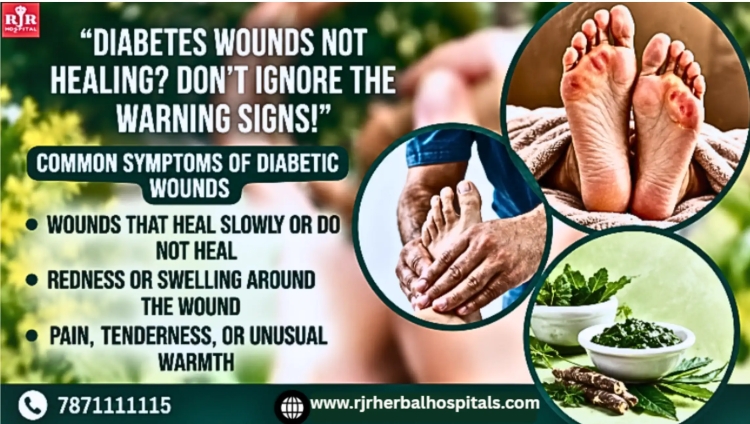
Some common signs of diabetic wounds are redness, swelling, cracked skin,
discharge, and cuts or sores that heal slowly. Some people may also feel numbness or
reduced sensation because diabetes can damage nerves. Noticing these symptoms
early and getting medical help can prevent complications.
2. Causes of Diabetic Wounds
High blood sugar, inadequate blood flow, and nerve damage can all result in diabetic wounds. Elevated blood sugar levels. Delayed healing can worsen minor injuries, and nerve damage can make them hard to notice. Wounds can also result from untreated cuts, foot strain, and ill-fitting shoes.
3. Types of Diabetic Wounds
People with diabetes can get foot ulcers, pressure sores, blisters, cuts,
and infected skin wounds. Foot ulcers need special attention because they can
become deeper and more serious if not treated. Checking your feet regularly and wearing proper
shoes can help you spot and prevent injuries.
4. Diabetic Wound Diagnosis
A medical professionalIn addition to assessing blood sugar levels, nerve function, and blood circulation, a medical practitioner will examine the wound to determine its size, depth, and any indications of infection.
Further tests or scans may be required if a deeper infection or other issues are detected. A precise diagnosis helps choose the best course of action.
5. Diabetic wound treatment in Chennai
Diabetic wound treatment in Chennai. Treatment for diabetic wounds in Chennai depends on the wound's severity and the patient's health. Treatment may include professional wound cleaning,
the right dressings, relieving pressure, managing blood sugar, and treating
infection if needed. Serious wounds may need specialist care or surgery. Getting treatment early
can help lower the risk of more problems.
6. Diabetic Wound Care
Good diabetic wound care means protecting the wound, following your doctor's
dressing instructions for dressings, and keeping the skin around the wound clean. Check your feet every day for blisters, swelling, or color changes. Avoid walking barefoot and wear comfortable,
well-fitting shoes. Do not use herbal products or home remedies on open wounds unless your doctor says it is safe.
open wounds without medical advice.
7. Improving Wound Healing
Maintaining blood sugar within the recommended range is critical for wound healing. You can support healing by eating a well-balanced diet with enough protein, drinking plenty of water, and following your doctor's advice. Attending follow-up checkups, quitting smoking, and regularly inspecting your feet can help lower your risk of developing new sores.
8. Diabetic Wound Care at RJR Herbal Hospitals
RJR Herbal Hospitals provides Siddha and Ayurvedic healthcare services. People with diabetic wounds should receive appropriate medical assessment to identify infection,
Conclusion:
Diabetic wounds need prompt attention because even a small cut or blister can heal slowly and turn into a serious problem. Check your feet daily, keep your blood sugar in the recommended range, wear well-fitting footwear, and see a doctor at the first sign of redness, swelling, or discharge. Early diagnosis and proper wound care lower the risk of complications. If you are looking for diabetic wound treatment in Chennai, choose a center that begins with a thorough assessment. You can discuss supportive Siddha and Ayurvedic care with qualified doctors, but it should complement, not replace, specialist wound care and prescribed medicine.
Author Bio:
RJR Herbal Hospitals is a Siddha and Ayurvedic healthcare provider based in T. Nagar, Chennai, with branches across Tamil Nadu, Andhra Pradesh, Telangana, Karnataka, Puducherry, and Maharashtra. Founded by Dr. S.R. Jeyadurai (B.Sc., BNYS, DVM, PGDYN), it carries forward a family tradition of over 150 years across five generations, offering personalized herbal care for conditions such as diabetes, arthritis, asthma, and skin disorders.
Visit us: www.rjrherbalhospitals.com
What's Your Reaction?