Hot and Cold Chamber Price, Manufacturers in India
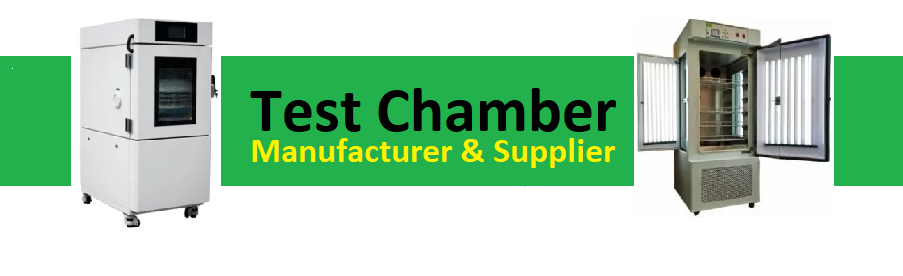
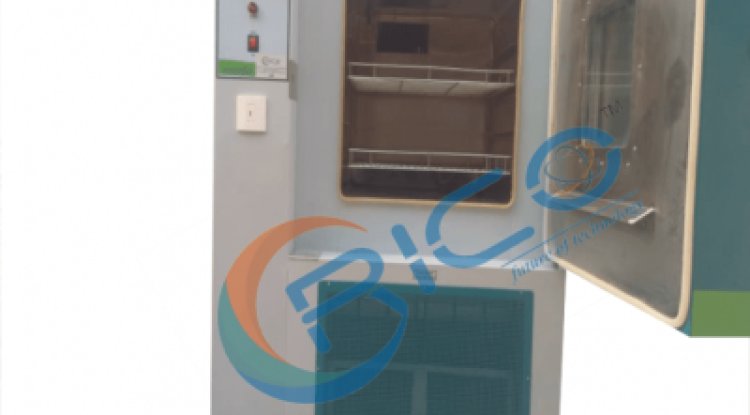
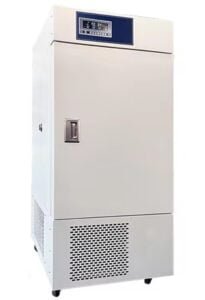
Hot and cold chamber, also known as environmental chambers are specialized enclosures designed to simulate various temperature & humidity conditions.
What Is a Hot and Cold Chamber?
A Hot and Cold Chamber is a controlled environmental testing system designed to expose products, materials, and components to extreme high and low temperatures.
It simulates real-world conditions — and beyond — to evaluate how items behave under thermal stress.
In simple terms:
It answers one question: Will this product survive temperature extremes without failing?
Why Temperature Testing Matters in the USA
The United States is a land of extremes.
A product might be manufactured in one state, shipped across deserts, stored in freezing warehouses, and used in climates ranging from Alaska’s cold to Arizona’s heat.
Hot and Cold Chambers help manufacturers ensure products can handle:
-
Summer heat waves
-
Winter freezes
-
Rapid temperature changes
-
Long-term thermal exposure
For American consumers, this means reliability.
The Hidden Enemy: Thermal Stress
Temperature changes cause materials to expand and contract.
This movement can:
-
Crack solder joints
-
Warp plastics
-
Degrade coatings
-
Alter chemical stability
Most failures don’t happen immediately. They develop silently.
Hot and Cold Chambers accelerate this process — revealing weaknesses before products leave the lab.
A Real-World Story of Thermal Testing
Imagine a medical device designed to store life-saving medication. It may be produced in California, shipped to New York in winter, and stored in a clinic with inconsistent climate control.
Without thermal testing, small material failures could go unnoticed.
Inside a Hot and Cold Chamber, engineers can simulate years of exposure in days — protecting patients and trust.
How a Hot and Cold Chamber Works
While the experience inside the chamber is intense, the operation is precise and controlled.
Step 1: Sample Placement
Test samples are placed on adjustable shelves designed to allow uniform airflow.
Step 2: Temperature Programming
Operators set specific temperature limits, ramp rates, and dwell times.
Step 3: Heating and Cooling
Advanced heating systems raise temperatures, while powerful refrigeration systems create deep cold.
Step 4: Monitoring and Control
Sensors continuously monitor conditions to maintain stability.
Step 5: Observation and Analysis
After testing, samples are evaluated for physical, functional, or performance changes.
Types of Tests Performed
Hot and Cold Chambers support a wide range of thermal tests, including:
-
High-temperature exposure
-
Low-temperature exposure
-
Thermal cycling
-
Thermal shock (with rapid transitions)
Each test reveals different vulnerabilities.
Key Features of Modern Hot and Cold Chambers
Today’s chambers used in U.S. laboratories are built for precision, durability, and ease of use.
Wide Temperature Range
Capable of simulating extreme heat and deep cold.
Uniform Air Circulation
Ensures consistent temperature distribution throughout the chamber.
Digital Control Systems
User-friendly interfaces allow precise programming and monitoring.
Safety Protections
Built-in alarms and safeguards protect both samples and operators.
Robust Construction
Designed to withstand repeated thermal stress over long periods.
Automation and Smart Controls
American industries value efficiency.
Modern Hot and Cold Chambers often include:
-
Programmable test profiles
-
Automated cycling
-
Data logging
-
Remote monitoring
These features reduce human error and improve reproducibility.
Industries That Depend on Hot and Cold Chambers
Electronics and Semiconductor Industry
Thermal testing ensures components function reliably under heat and cold.
Automotive Industry
Vehicles experience extreme temperatures daily.
Testing validates durability of parts, batteries, and electronics.
Aerospace and Defense
Altitude and space expose materials to harsh thermal conditions.
Hot and Cold Chambers help ensure mission-critical reliability.
Pharmaceutical and Medical Devices
Temperature stability protects drug efficacy and device performance.
Packaging and Material Development
Packaging must protect products across climates.
Thermal testing ensures integrity from factory to consumer.
Why U.S. Manufacturers Rely on These Chambers
In the U.S. market, product failure is costly.
Hot and Cold Chambers help companies:
-
Reduce warranty claims
-
Avoid recalls
-
Improve product lifespan
-
Build customer trust
Testing upfront saves far more than fixing problems later.
Training and Ease of Operation
Modern chambers are designed with operators in mind.
Benefits include:
-
Intuitive interfaces
-
Simple setup
-
Reduced training time
This supports high productivity in busy American labs.
Maintenance and Long-Term Reliability
Hot and Cold Chambers are long-term investments.
Regular maintenance ensures:
-
Accurate temperature control
-
Reliable test conditions
-
Extended equipment life
Consistency is key when results guide major decisions.
Cost Control Through Predictive Testing
Thermal failures discovered late are expensive.
Hot and Cold testing helps identify issues early — saving time, materials, and money.
For U.S. manufacturers, prevention equals profit.
The Human Impact of Temperature Testing
Behind every test is a human outcome.
A driver trusting their car. A patient relying on medication. A family using electronics daily.
Hot and Cold Chambers help protect them all.
Choosing the Right Hot and Cold Chamber
When selecting a chamber, U.S. buyers typically consider:
-
Temperature range
-
Chamber size
-
Control accuracy
-
Automation features
-
Long-term support
The right choice supports both innovation and compliance.
The Future of Hot and Cold Chambers
As technology advances, so do testing needs.
Future chambers may offer:
-
Faster temperature transitions
-
Smarter diagnostics
-
Integrated data systems
But the core mission remains unchanged: reliability.
Frequently Asked Questions (FAQs)
What is a Hot and Cold Chamber used for?
It tests how products perform under extreme high and low temperatures.
Why is thermal testing important?
Because temperature stress can cause hidden failures over time.
Who uses Hot and Cold Chambers in the USA?
Electronics, automotive, aerospace, pharmaceutical, and packaging industries.
Can these chambers simulate real-world climates?
Yes. They replicate and accelerate real environmental conditions.
How long do tests typically last?
Tests can range from hours to weeks, depending on requirements.
Is thermal cycling the same as thermal shock?
No. Thermal cycling involves gradual changes, while thermal shock involves rapid transitions.
Final Thoughts: Testing Strength Before It Matters
The real world is unpredictable.
Heat waves come unexpectedly. Freezes arrive overnight. Products don’t get a second chance.
The Hot and Cold Chamber prepares them for this reality.
Across the United States, it helps engineers design products that endure, perform, and protect trust — long after they leave the lab.
Because true quality isn’t proven when conditions are perfect.
It’s proven when conditions are extreme.
What's Your Reaction?