What are the Main Differences between Organic and Non-Organic Food?
Organic foods are normally very expensive, they can cost 10-50% more than the non-organic ones, and even 200% sometimes, which can be shocking for many people.
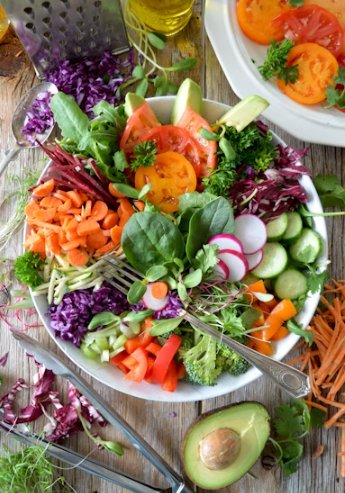
When you want to pick one type of food from organic foods and conventional foods, you need to keep in mind that you don't get misinformed by the myths and your understanding must be based on scientific knowledge.
Nutritional content is very much the same
After conducting numerous types of studies, which also includes systematic testimonials, it has been found that there are no consistent benefits in vitamins and minerals, when it's about comparison of organic Vs non-organic fruits, veggies, grains or milk. In rare cases, organically produced Good items show a little bit higher phosphorus or antioxidants, but the overall results are very mixed.
Pesticide residues & toxins
Organically produced foods tend to contain lower amounts of residues of synthetic pesticides and non-organic ones are more likely to have excessive amounts which can also many times surpass the allowable limits, but even after that those residues usually stay within the no harmful thresholds set by the regulation department.
When it comes to non-vegan foods like meat, dairy etc., the organically produced ones may have significantly less amount of heavy metals (e.g. cadmium) and more likely loaded with healthier fatty acid profiles. And that makes organic meat and dairy products way healthier for your body, in comparison to non-organic ones.
The Impact on the Environment
Organic farming supports biodiversity, builds healthier soil, and often reduces energy use and carbon emissions. It avoids synthetic fertilizers and pesticides, protecting ecosystems and water quality.
Which one is Easy, in Cost and Accessibility?
Organic foods are normally very expensive, they can cost 10-50% more than the non-organic ones, and even 200% sometimes, which can be shocking for many people. But the reason for that, is due to high labor, high intensity practices and lower yield, it takes a lot to grow even a small amount of food items, but the good thing is premium supports sustainable farming and fairer returns to the farmers.
The Trade-off: Values Vs Hard Evidence
If you have your priorities of causing less damage to the environment, and you want to have less exposure to the artificial chemicals etc., organic would be the right choice for you as it is perfectly aligned with your values.
But if you don't want to spend a lot of money and the chemical stuff does't bother you much, you can go with the conventional or non-organic products because in nutritional value they aren't very much different.
Final Words
The thing is, no matter what type of food you consume, organic or non-organic, the main thing is not wasting food and also avoiding unnecessary consumption, because ultimately that will keep the right balance in the environment and also by consuming the right amount, and never over consumption, will keep ourselves healthy as well.
What's Your Reaction?