Urtica Himalayensis: Why This Native Himalayan Plant Deserves More Attention
Urtica himalayensis deserves more attention not because it is a newly discovered plant, but because it has quietly contributed to Himalayan life for centuries.
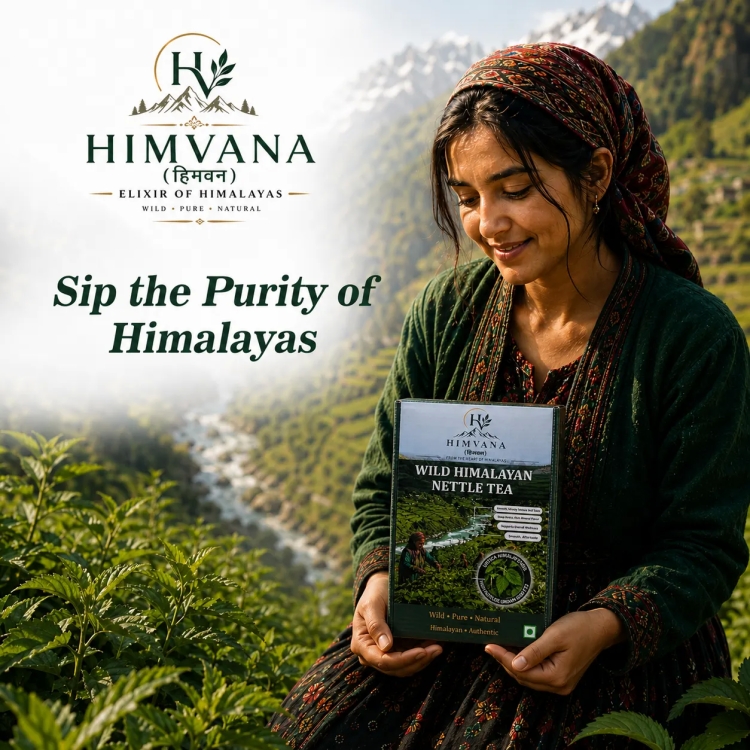
For centuries, the
A Hidden Treasure of the Himalayas
Stretching across northern
Among them is Urtica himalayensis, a perennial herb that naturally grows along forest edges, mountain slopes, and streams. Although often overlooked because of its tiny stinging hairs, the plant has long been valued by local communities as both a nutritious food and a traditional herbal ingredient.
Today, as consumers increasingly seek natural and sustainably sourced botanicals, Urtica himalayensis is beginning to attract wider interest.
What Makes Urtica himalayensis Unique?
At first glance, Himalayan nettle resembles other nettle species. Its serrated green leaves, upright stems, and fine stinging hairs are characteristic of the Urtica genus. However, its native habitat sets it apart.
Growing in high-altitude Himalayan environments exposes the plant to unique ecological conditions, including cooler temperatures, stronger sunlight, and mineral-rich soils. These factors contribute to its distinctive characteristics and have made it an important part of mountain traditions.
Unlike cultivated herbs that are grown under controlled conditions, wild Himalayan nettle develops naturally in its native environment, reflecting the biodiversity of the region.
A Long History of Traditional Use
For generations, Himalayan communities have incorporated nettle into everyday life.
Young leaves have traditionally been cooked as seasonal vegetables, while dried leaves have been brewed into herbal tea. In some villages, the plant has also been used to produce natural fibers for ropes, textiles, and household items.
These practices demonstrate how one native plant has served multiple purposes—nutrition, craftsmanship, and cultural heritage—without relying on intensive cultivation.
The continued use of Urtica himalayensis also reflects the deep botanical knowledge preserved by Himalayan communities over centuries.
Naturally Rich in Nutrients
One reason Urtica himalayensis continues to receive attention is its naturally occurring nutritional composition.
The leaves contain a variety of nutrients commonly associated with leafy green plants, including:
- Vitamins A, C, and K
- Iron
- Calcium
- Magnesium
- Potassium
- Plant proteins
- Chlorophyll
- Polyphenols and flavonoids
Researchers continue exploring these naturally occurring compounds and their role within a balanced diet. While herbal teas should not replace nutritious meals, they can complement healthy eating habits.
A Growing Interest in Herbal Tea
In recent years, consumers have shown increasing interest in herbal beverages that are naturally caffeine-free.
Himalayan nettle tea offers a mild, earthy flavor and can be enjoyed hot or cold. Unlike traditional caffeinated beverages, it provides an enjoyable herbal alternative suitable throughout the day.
Its versatility has contributed to growing curiosity among tea enthusiasts who appreciate authentic botanical ingredients and traditional herbal preparations.
Supporting Sustainable Mountain Livelihoods
One of the most compelling reasons to pay greater attention to Urtica himalayensis is its connection to sustainable rural livelihoods.
Responsible harvesting of wild Himalayan nettle can provide seasonal income for local communities while encouraging the conservation of native plant populations.
Sustainable collection practices involve harvesting mature leaves carefully, allowing plants to regenerate naturally. This approach helps maintain biodiversity while preserving traditional knowledge passed down through generations.
As demand for responsibly sourced herbal products grows, sustainable harvesting becomes increasingly important for balancing economic opportunity with environmental stewardship.
Why Conservation Matters
Like many native plant species, Urtica himalayensis depends on healthy mountain ecosystems.
Climate change, habitat disturbance, and unsustainable harvesting practices may affect natural plant populations over time. Protecting native habitats ensures that future generations can continue benefiting from the biodiversity of the Himalayan region.
Conservation efforts also help preserve valuable traditional knowledge that has developed alongside these ecosystems for centuries.
More Than Just a "Stinging Nettle”
The word "stinging" often creates a negative impression among people unfamiliar with nettle.
Fresh leaves are covered with microscopic hairs that can cause temporary skin irritation. However, once the leaves are dried or cooked, these hairs lose their stinging properties.
For this reason, communities have safely consumed nettle for generations in soups, teas, and cooked dishes.
Understanding this distinction helps replace misconceptions with appreciation for the plant's traditional value.
The Importance of Responsible Research
Interest in Himalayan herbs continues to grow, but it is important to distinguish between traditional knowledge and scientific evidence.
While Urtica himalayensis has a long history of use and contains valuable nutrients and plant compounds, ongoing scientific research is essential to better understand its properties and applications.
Educational discussions should encourage informed curiosity rather than exaggerated health claims. Respecting both indigenous knowledge and modern research creates a balanced perspective on the plant's significance.
Looking Ahead
As global interest in natural wellness, sustainable products, and botanical diversity continues to expand, Urtica himalayensis is well positioned to receive greater recognition.
Its story extends far beyond herbal tea. It represents the relationship between people and nature, the importance of preserving biodiversity, and the value of traditional knowledge that has endured for generations.
Greater awareness of native Himalayan plants can also inspire conservation, responsible sourcing, and continued scientific exploration.
Conclusion
Urtica himalayensis deserves more attention not because it is a newly discovered plant, but because it has quietly contributed to Himalayan life for centuries. From nourishing local communities to supporting sustainable livelihoods and preserving botanical traditions, this native species represents an important part of the Himalayan natural heritage.
As consumers become increasingly interested in authentic herbal products and environmentally responsible choices, understanding the origins and significance of plants like Urtica himalayensis becomes more valuable than ever. Appreciating this remarkable Himalayan herb is ultimately about recognizing the rich connection between biodiversity, culture, and sustainable living.
What's Your Reaction?