Seed Germinator: The Advanced Instrument for Assessing the Viability and Germination of Seeds
A seed germinator is a special device providing the controlled conditions for testing seed viability. It allows controlling such parameters as temperature, humidity, and sometimes lighting providing the chance to study seed viability, the rate of seed germination and its vigor.
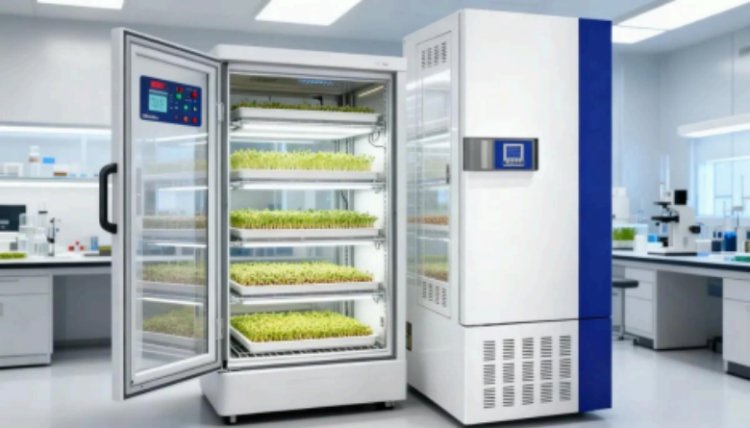
Very soon it becomes obvious that performing experiments in agricultural research and seed testing laboratories or even in the field of crop science implies the need to have an instrument providing the proper conditions for the research. This is why a seed germinator became the popular equipment in laboratories. Since the process of seed viability testing is subjected to various environmental influences, the seed germinator offers the ability to control such factors as temperature, humidity, and lighting. At Bionic RO, we often cooperate with laboratories where stable conditions are required, so the seed germinator fits perfectly in our strategy.
What Is a Seed Germinator and How Does It Help in Research?
A seed germinator is a special device providing the controlled conditions for testing seed viability. It allows controlling such parameters as temperature, humidity, and sometimes lighting providing the chance to study seed viability, the rate of seed germination and its vigor. Without creating the controlled conditions, it is almost impossible to get reliable results, since they may change under the influence of the environmental factors. So, the reliable germination chamber is the essential instrument for everyone engaged in agriculture.
How Does a Seed Germinator Provide Optimal Growing Conditions?
Almost all seed germinators include the systems for controlling temperature, humidity, and even LED lighting which mimics the optimal conditions for germination process of different seed types. Researchers can regulate the ranges of temperature and humidity through digital control panels so that each seed type could have the same conditions during the entire period of testing. Some models even have the timers and data logging options allowing monitoring the results during several days.
Applications in Agricultural and Quality Control Testing
Seed germinators become the important instruments for assessing the quality of seeds in agricultural companies, research institutions, and even certification laboratories. With the help of germination percentage testing, researchers can estimate whether the seed meets some standards before its use by farmers or commercial customers. Moreover, plant breeders can estimate the vigor and viability of the seeds among different genetic types using controlled germination chambers and choose the best seeds for further cultivation. The educational institutions also need seed germinators for conducting the experiments with students.
Finding the Right Germinator for Your Facility
The choice of a germinator depends on how much you need to test, what temperature range you require, and whether you need any additional capabilities, such as humidity and light regulation. For smaller facilities which need only limited amounts of seed testing, a compact device is sufficient. But large germination chambers will be required if you have to test seed quality in bulk. Make sure to consider such factors as easy calibration, uniformity, and reliability of the instrument when choosing an option.
Conclusion
Despite being often used passively in agricultural laboratories, a seed germinator plays a very important role in seed testing. This tool allows creating conditions necessary for germination without the influence of any environmental variables that cannot be predicted and regulated.
What's Your Reaction?