Humidity Test Chamber | Conditioning Chamber - Price & Manufacturer
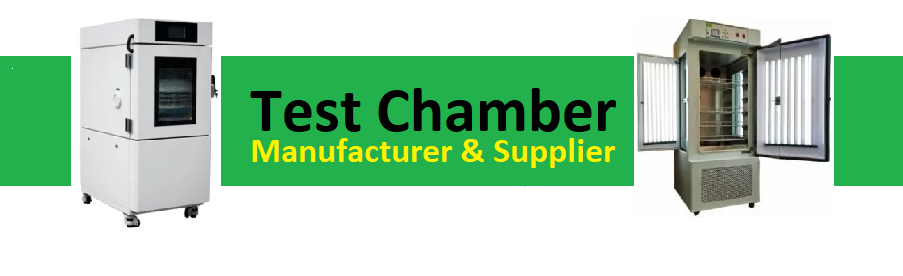
A humidity chamber is a controlled environmental device that creates and maintains precise humidity and temperature levels over time for testing purposes.
Understanding the Humidity Chamber: More Than Heat and Moisture
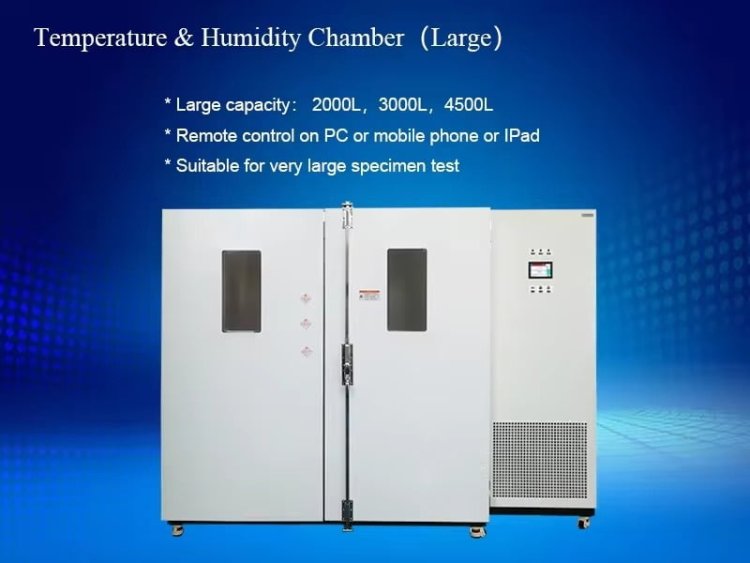
At its core, a humidity chamber is a controlled environment designed to regulate temperature and relative humidity with precision. But describing it that way barely scratches the surface.
A humidity chamber can simulate months or years of environmental exposure in days or weeks. It recreates the kind of stress that causes materials to corrode, electronics to fail, packaging to degrade, and coatings to peel.
A conditioning test chamber goes one step further. It prepares products for testing by stabilizing them under specific environmental conditions—ensuring that test results are accurate, repeatable, and meaningful.
Together, these chambers are the gatekeepers of quality.
Why Humidity Testing Matters So Much in the USA
The United States is one of the most environmentally diverse countries on Earth. A product sold nationwide must survive vastly different climates.
Consider this:
-
A phone designed in California might be used in Louisiana humidity
-
A medical device manufactured in Minnesota may be stored in Texas heat
-
An automotive part produced in Michigan could face coastal moisture in Florida
Without humidity testing, failures happen in the field—where they are expensive, dangerous, and reputation-damaging.
American consumers expect reliability. Humidity chambers help deliver it.
The Science Behind the Chamber (Explained Like a Human)
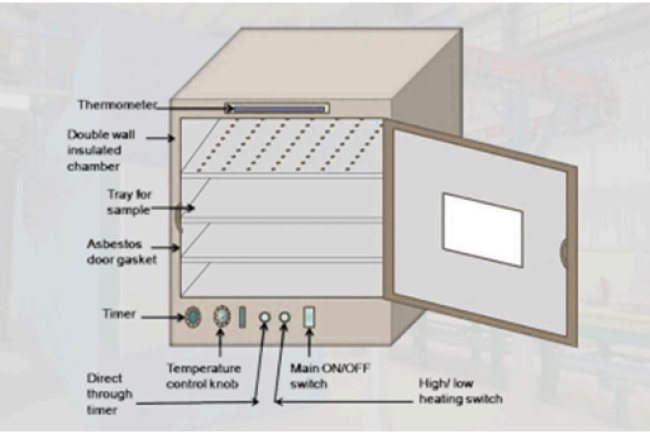
Inside a humidity chamber, air is carefully conditioned. Moisture is added or removed. Temperature is raised or lowered. Sensors monitor every fluctuation.
But the real science lies in control.
Humidity affects materials in subtle ways:
-
Metals corrode
-
Plastics soften or crack
-
Adhesives lose strength
-
Electronics short-circuit
-
Packaging absorbs moisture
By controlling humidity levels—sometimes as low as desert dryness, sometimes as high as tropical saturation—engineers observe how products behave under stress.
It’s not about breaking things.
It’s about understanding them.
Conditioning Test Chambers: Preparing for the Truth
Before a product is tested for performance, safety, or compliance, it must often be conditioned. That’s where conditioning test chambers come in.
Conditioning ensures that:
-
All samples start from the same environmental baseline
-
Test results are consistent and fair
-
External variables don’t distort outcomes
In the USA, conditioning chambers are essential in regulated industries where precision matters more than speed.
Industries Across America That Rely on Humidity Chambers
Electronics and Technology
From Silicon Valley startups to Midwest manufacturing plants, electronics are extremely sensitive to moisture.
Humidity testing helps ensure:
-
Circuit boards don’t corrode
-
Connectors remain reliable
-
Displays function in damp environments
Without these tests, electronic failures would skyrocket.
Automotive and Transportation
American vehicles travel through rain, snow, heat, and humidity. Components inside cars must survive years of exposure.
Humidity chambers test:
-
Interior materials
-
Sensors and control units
-
Electrical systems
Every test adds confidence to every mile driven.
Aerospace and Defense
In aerospace, failure is not an option.
Humidity chambers simulate:
-
Ground-level humidity
-
Storage conditions
-
Long-term environmental exposure
These tests protect lives and national investments.
Medical Devices and Healthcare
Medical products must perform flawlessly—even after storage, shipping, and environmental exposure.
Humidity testing ensures:
-
Sterile packaging remains intact
-
Materials don’t degrade
-
Devices remain safe for patients
In the USA, this testing is a cornerstone of trust in healthcare.
Food, Packaging, and Consumer Goods
Moisture affects taste, texture, shelf life, and safety.
Humidity chambers test:
-
Packaging integrity
-
Material absorption
-
Long-term storage behavior
From cereal boxes to pharmaceuticals, conditioning chambers protect consumers.
Walk-In vs. Reach-In Chambers: Size Matters
American manufacturers use different chamber sizes based on needs.
Reach-In Chambers
-
Compact
-
Ideal for labs and small samples
-
Flexible and cost-effective
Walk-In Chambers
-
Large-scale testing
-
Full pallets, vehicles, or machinery
-
Common in automotive and aerospace sectors
Both serve the same purpose: controlled truth.
The Human Side of Environmental Testing
Behind every chamber is a team of people—engineers, technicians, quality managers—making decisions that affect millions.
They don’t just run tests.
They ask questions:
-
What if this product sits in a humid warehouse for six months?
-
What happens if a customer leaves it in a hot garage?
-
Will it still work when it matters most?
Humidity chambers give those questions real answers.
Why Storytelling Matters in Testing
In American manufacturing culture, testing is not about fear—it’s about responsibility.
Every humidity test tells a story:
-
Of a product’s weaknesses
-
Of design improvements
-
Of lessons learned before customers are affected
A failed test is not a failure. It’s a conversation with reality.
Energy Efficiency and Sustainability in Modern Chambers
Today’s humidity chambers are smarter than ever. American companies increasingly demand:
-
Energy-efficient systems
-
Reduced water consumption
-
Precise control to avoid waste
Sustainability and quality now go hand in hand.
Customization: Built for Real American Needs
No two industries are the same. That’s why modern humidity and conditioning chambers are often customized.
Custom features may include:
-
Specialized humidity ranges
-
Fast ramp-up or ramp-down cycles
-
Remote monitoring
-
Data logging for compliance
In the USA, flexibility is not a luxury—it’s a requirement.
Data, Documentation, and Confidence
In regulated industries, data is everything.
Humidity chambers provide:
-
Detailed test records
-
Repeatable conditions
-
Confidence during audits and inspections
This documentation supports:
-
Product launches
-
Market approvals
-
Long-term reliability claims
The Cost of Skipping Humidity Testing
Skipping environmental testing may save money today—but it costs far more tomorrow.
Consequences include:
-
Product recalls
-
Warranty claims
-
Brand damage
-
Safety risks
Humidity chambers are not expenses.
They are insurance policies.
Looking Ahead: The Future of Humidity Testing in the USA
As products become smarter and materials more complex, environmental testing continues to evolve.
Future trends include:
-
AI-driven test optimization
-
Predictive failure analysis
-
Smarter sensors and controls
-
Integration with digital twins
But the core mission remains the same:
Protect people by testing products honestly.
Final Thoughts: Where Trust Is Built Quietly
Most Americans will never see a humidity chamber. They won’t know the hours spent conditioning a product before it reaches their hands.
And that’s the point.
Humidity and conditioning test chambers work behind the scenes so that everyday life works as expected. They turn uncertainty into confidence, and assumptions into proof.
In a country built on innovation and responsibility, these chambers are silent guardians of quality.
Frequently Asked Questions (FAQs)
Q1. What is a humidity chamber used for?
A humidity chamber is used to test how products behave under controlled temperature and humidity conditions to ensure reliability and durability.
Q2. What is the difference between a humidity chamber and a conditioning test chamber?
A humidity chamber focuses on stress testing, while a conditioning test chamber prepares products under specific environmental conditions before testing.
Q3. Which industries in the USA use humidity chambers most?
Electronics, automotive, aerospace, medical devices, food packaging, and consumer goods industries rely heavily on them.
Q4. Why is humidity testing important in the United States?
The USA has diverse climate zones, and products must perform reliably across all of them.
Q5. Are walk-in humidity chambers better than reach-in chambers?
Neither is better universally—it depends on the size of the product and testing requirements.
Q6. Can humidity chambers simulate long-term exposure?
Yes, they can accelerate environmental conditions to simulate months or years of real-world exposure.
Q7. Do humidity chambers help with regulatory compliance?
Yes, they provide controlled conditions and documentation essential for audits and approvals.
What's Your Reaction?