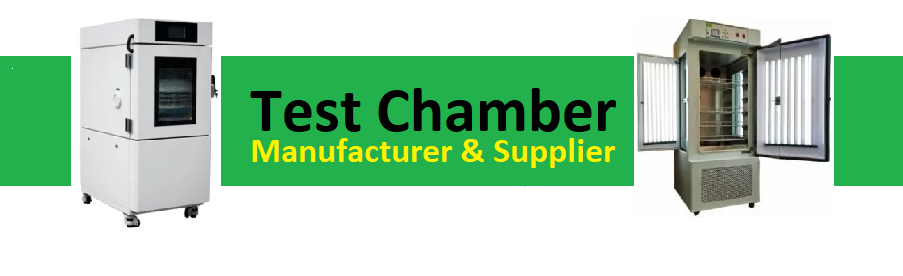
photostability test chamber Manufacturer and Supplier
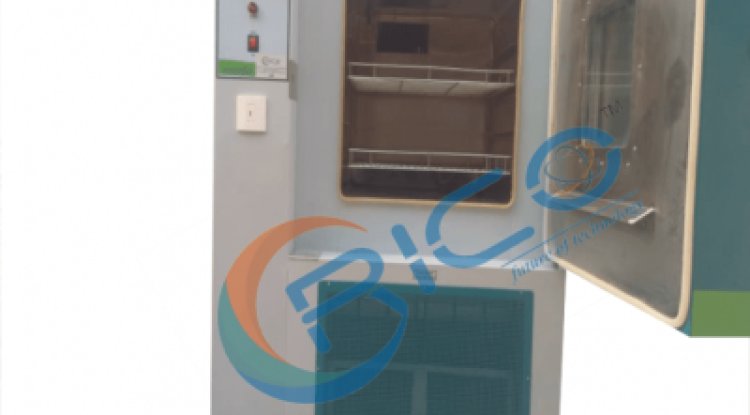
ICH Photostability chambers are specifically designed to perform near UV and visual light testing with fluorescent lamps per ICH Q1B Guidelines
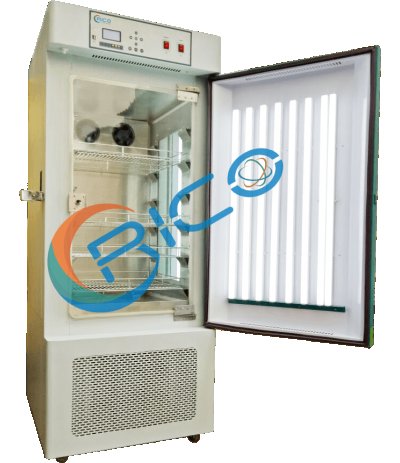
What Is a Photostability Test Chamber?
A photostability test chamber is a special environmental testing machine designed to:
· Expose products to controlled light
· Simulate sunlight and artificial light
· Observe how products change, degrade, or remain stable over time
In simple terms:
A photostability test chamber answers one crucial question:
“What will light do to this product over its lifetime?”
In the United States, these chambers are widely used for:
· Pharmaceuticals
· Cosmetics
· Food and beverages
· Medical devices
· Packaging materials
· Chemicals and coatings
If a product is sensitive to light, it must be tested.
Why Light Is a Bigger Enemy Than It Looks
Light looks harmless.
But over time, light can:
· Break chemical bonds
· Change colors
· Reduce strength and potency
· Create unwanted by-products
· Destroy packaging
· Shorten shelf life
A medicine that sits near a pharmacy window.
A cosmetic that stays on a bathroom shelf.
A syrup bottle that travels across sunny highways.
All of these are slowly being attacked by light.
A photostability chamber allows companies to:
Fight that battle before the product ever reaches the customer.
The Human Responsibility Behind Photostability Testing
In America, when a person takes medicine, they assume:
· It will work
· It will be safe
· It will be stable
They never think about:
· Light exposure
· Shelf life
· Chemical breakdown
But behind every safe product is a chain of decisions—and behind those decisions is testing.
Photostability testing is not just about compliance.
It is about trust.
How a Photostability Test Chamber Works
Imagine trying to capture the sun and put it into a box.
That’s essentially what these chambers do.
1. The Light System (The Artificial Sun)
Inside the chamber are special light sources designed to:
· Simulate daylight
· Simulate indoor lighting
· Deliver precise, repeatable intensity
The chamber doesn’t guess. It controls.
2. The Control System (The Brain)
A digital controller manages:
· Light intensity
· Exposure time
· Temperature (if required)
· Test cycles
This allows engineers to recreate:
· Weeks of shelf exposure
· Months in storage
· Years of real-world lighting
In a short, controlled time.
3. The Chamber Body (The Safe Universe)
The cabinet itself is:
· Light-sealed
· Uniformly illuminated
· Designed to avoid shadows and hotspots
· Built to hold samples safely and consistently
Every product inside gets fair and equal punishment.
Why American Manufacturers Take This So Seriously
In the USA, product liability, quality expectations, and customer trust are taken very seriously.
A single failure can lead to:
· Recalls
· Lawsuits
· Brand damage
· Lost confidence
That’s why American labs don’t just want a photostability chamber.
They want:
A reliable, accurate, long-term partner in quality.
What a Photostability Test Chamber Manufacturer Really Does
A good manufacturer doesn’t just sell steel boxes with lights.
They:
· Design uniform light systems
· Engineer temperature-stable enclosures
· Build precise control software
· Test light distribution
· Ensure long-term reliability
· Customize layouts for different industries
· Provide service, training, and support
They are part engineer, part craftsman, part problem solver.
Frequently Asked Questions (FAQs)
1. What is a photostability test chamber used for?
To test how light affects products over time and ensure stability and safety.
2. Which industries use photostability chambers the most?
Pharmaceutical, cosmetics, chemical, medical device, and packaging industries.
3. Can photostability testing be combined with temperature?
Yes. Many chambers can control both light and temperature together.
4. Why is light testing so important for medicines?
Because light can reduce potency, change chemistry, or affect appearance and safety.
5. Are these chambers only for large companies?
No. Many small and mid-size labs in the USA use reach-in models.
6. How long does a photostability test take?
From a few days to several weeks, depending on the test plan.
7. What kind of light is used inside these chambers?
Special artificial light sources designed to simulate daylight and indoor light.
8. Is uniform light really that important?
Yes. Uneven light leads to unreliable and misleading results.
9. What should I look for in a manufacturer?
Quality, reliability, service support, customization, and long-term commitment.
10. Does photostability testing guarantee zero product failure?
No—but it dramatically reduces risk and improves product design.
What's Your Reaction?