How Face Comparison Technology Works With Photos | Face DNA Test
Learn how face comparison technology analyzes facial features in photos to identify similarities and understand how facial matching works.
How Face Comparison Technology Works With Photos
Have you ever looked at two photos of your relatives and asked yourself, “Are they really similar?” This question could be answered using a face-matching app, which compares the visual facial characteristics of two individuals using images and calculates similarities and differences between two faces. This technology is more reliable than visual comparison because it uses image processing methods.
But how does it work, and what does it provide? Here is an explanation of the principle of this technology, its accuracy factors, and visual comparison.
What Is a Face-Matching App?
A face-matching app is a program designed to visually compare two faces. Depending on the app, it evaluates characteristics of faces such as eye position, nose width, lip shape, jaw shape, and many others.
The basic process is straightforward:
1. Upload two photographs.
2. The software detects the faces.
3. Facial landmarks and proportions are identified.
4. The system compares corresponding features.
5. A similarity result or visual comparison report is generated.
For example, a parent may upload their photograph alongside their child's to explore which facial characteristics appear similar.
How Does Facial Comparison Technology Work?
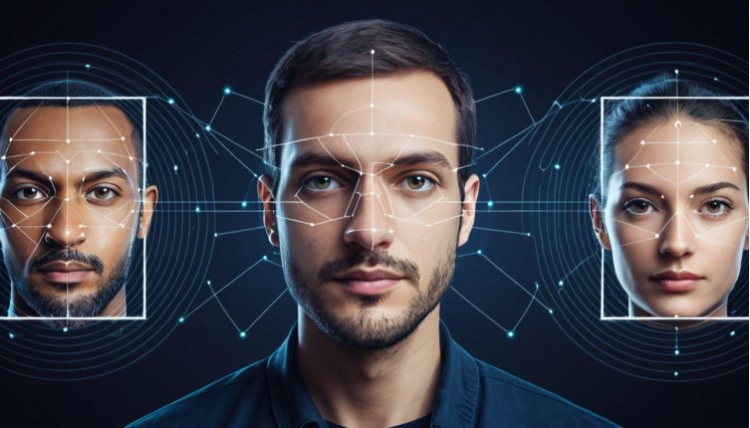
Modern facial comparison systems generally begin by detecting the face within each image. The software then identifies important reference points, sometimes called facial landmarks.
These can include the corners of the eyes, position of the nose, shape of the mouth, cheek structure, forehead, and jawline. The system converts these observations into measurable information that can be compared between photographs.
An AI facial matching app can then process these measurements to identify patterns of visual similarity.
Importantly, the result depends on what is visible in the photographs. The technology is comparing facial appearance, not examining genetic material.
Why Photo Quality Matters
A facial comparison is only as useful as the images being compared. Poor photographs can make facial features harder for software to detect consistently.
For better results, use:
● Clear, front-facing photographs
● Good, even lighting
● Images with the entire face visible
● Minimal filters or editing
● Similar angles where possible
Heavy shadows, sunglasses, extreme expressions, low resolution, or significant differences in camera angle can affect the comparison.
Age can also matter. A child's face changes substantially as they grow, while hairstyle, facial hair, makeup, and weight changes can alter someone's appearance without changing their underlying genetics.
Face Comparison App vs. DNA Testing
One of the most important points to understand is that a face comparison app evaluates appearance rather than DNA.
Two unrelated people can have remarkably similar facial characteristics. Conversely, biological relatives may not look particularly alike. Therefore, a facial similarity score cannot establish paternity, maternity, ancestry, or another biological relationship.
If a relationship needs scientific or legal confirmation, a laboratory DNA test using biological samples is the appropriate method. Facial comparison is better viewed as an informational way to explore visible resemblance.
What Can Facial Comparison Show You?
Facial comparison can show which features two people have in common and which ones differ. Rather than relying only on personal impressions, the technology can examine traits such as eye placement, nose shape, lip shape, jawline, chin, and overall face shape.
For instance, two brothers may have similar eye placement and jawlines but different noses or lips. Likewise, a mother and daughter may share certain facial proportions while differing in appearance because of age and other factors. Clear, comparable photos can make these visual differences and similarities easier to assess.
An AI facial matching app can be used to examine these visible patterns across two photographs. Face DNA Test is one example of a tool that compares facial features to estimate visual similarity. The results describe facial resemblance only and should not be interpreted as confirmation of a biological relationship.
Conclusion
In a face matching app, image analysis and face landmarking are used to analyze visible similarities between two pictures. The photo quality, facial angle, lighting, age, and other visual elements may affect the results.
First and foremost, it should be noted that facial similarity does not mean genetic similarity. If you just want to see how your family members resemble each other, it will be a good idea to start with face comparison. In any other case, you need to perform a laboratory DNA test.
What's Your Reaction?