How Do Cell Toxicity Assays Predict Drug Safety Before Human Trials?
Microplate cell toxicity evaluations provide the vital predictive data required to establish candidate safety profiles before human testing.
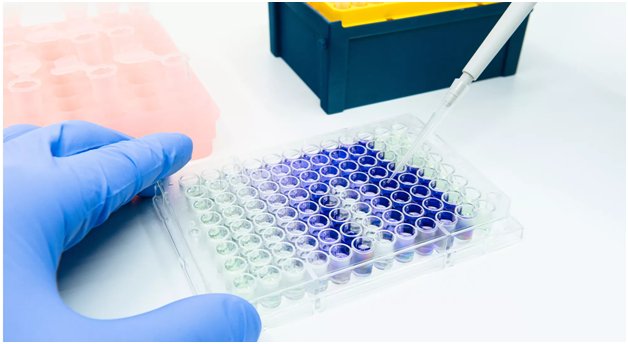
Preclinical pharmaceutical development depends heavily on early testing systems to identify potential chemical liabilities in candidate molecules. Researchers must evaluate the effects of the target compound on living biological systems long before initiating human clinical exposures. Traditional animal profiling methods provide systemic answers but often fail to isolate early molecular mechanisms of cellular damage. Implementing specialized microplate assays allows developers to observe real-time structural alterations within controlled laboratory cell environments. These screening metrics deliver reproducible quantitative data to ensure safety compliance during investigational drug selection programs.
The Role of Cell Death and Damage Profiling
Understanding how novel chemical structures interact with cellular architecture remains an essential objective for discovery teams. A specialized Cell Toxicity Assay measures how experimental therapeutic compounds influence general membrane integrity and metabolic functions. Scientists utilize these platforms to monitor adenosine triphosphate production levels as a primary sign of cell viability. If a drug candidate disrupts mitochondrial performance, the microplate scanner records a corresponding decline in light emission.
Additionally, laboratories run specific cell cytotoxicity assays to measure the release of internal enzymes into biological fluids. When cellular membranes rupture under chemical stress, lactate dehydrogenase leaks into the surrounding incubation medium. Measuring this specific extracellular enzyme provides definitive proof of immediate cell death across treated culture wells. These basic microplate techniques allow scientists to establish clear dose-response relationships during early testing cycles.
Mechanics of Early Laboratory Screening Workflows
Early development pipelines generate hundreds of potential drug variations that require immediate safety sorting and filtering. Implementing high-throughput cytotoxicity screening workflows helps scientists remove dangerous chemical structures early in the pipeline.
The primary workflows follow specific sequences to evaluate how target drug structures affect living tissue structures:
● Growing uniform cell layers inside automated multi-well microplates under sterile incubation conditions.
● Adding progressive concentrations of candidate drug molecules across designated test rows.
● Incubating the treated biological plates for predetermined durations to allow proper chemical interactions.
● Introducing specialized fluorescent indicator dyes that change color when viable cells survive. These automated steps help laboratories classify chemical compound libraries based on actual safety metrics.
After completing the signal recording step, the analysis software calculates the half-maximal inhibitory concentration (IC50) parameters for each compound. Analysts compare these mathematical values to identify which candidate structures possess the widest structural safety margins. This sorting process ensures that only the safest molecular iterations advance to advanced preclinical animal testing.
Must Read: How Pharmaceutical Companies Use MSD Mesoscale Platforms for Drug Development
Integration of Targeted Molecular Evaluations
Modern safety studies use targeted immunoassays to understand how compounds affect cells at the molecular level. ELISA helps researchers measure proteins involved in apoptosis and inflammation, providing early insights into drug-induced cellular changes before visible damage occurs.
The ELISA workflow typically includes:
● Coating microplates with capture antibodies.
● Washing away unbound reagents.
● Adding processed samples to detect target biomarkers.
● Measuring color changes with a microplate reader.
In addition to detecting apoptosis-related proteins, ELISA can measure inflammatory cytokines, helping researchers identify potential safety concerns early and optimize drug candidates before clinical development.
Advancements in Analytical Verification Systems
Confirming that cells absorb the experimental drug requires independent confirmation of compound levels within the test media. A professional ELISA Lab often couples immunoassay work with advanced mass spectrometry configurations to verify exact exposure parameters. Combining these methodologies ensures complete tracking of both parent drug molecules and unexpected cell-generated metabolic breakdown variants.
Applying liquid chromatography-mass spectrometry allows scientists to separate small molecules from complex background media matrices. This system measures specific mass-to-charge ratios to deliver unambiguous identification of target analytes at picogram levels. Consequently, safety teams determine if a toxic event stems from the parent drug or an unstable metabolite.
Accessing Professional Clinical Bioanalysis Services
Conducting compliant safety studies requires specialized equipment, skilled scientists, and robust quality systems. Many biotechnology companies partner with external bioanalytical service providers to access these capabilities without investing in in-house infrastructure.
Key benefits include:
● Access to advanced instrumentation and automated laboratory platforms.
● Validated analytical methods that meet regulatory standards.
● Expert support for generating reliable, audit-ready data.
● Faster development timelines by allowing internal teams to focus on core research.
Partnering with professional clinical bioanalysis services helps ensure high-quality data, regulatory compliance, and efficient progression from preclinical studies to clinical development.
Conclusion
Microplate cell toxicity evaluations provide the vital predictive data required to establish candidate safety profiles before human testing. These targeted laboratory assays document early mitochondrial disruption, membrane rupture, and activation of the apoptotic pathway induced by experimental compounds. By establishing clear dose-response metrics, these platforms eliminate hazardous chemical structures before developers initiate expensive animal evaluations. Using validated workflows ensures the resulting data meets strict international regulatory expectations for investigational filings. These predictive assays are essential components for protecting the safety of human volunteers in subsequent
What's Your Reaction?