Emotional Support During Breast Cancer Treatment
Breast cancer treatment may affect emotional well-being throughout diagnosis, treatment, and recovery. Patients often experience anxiety, emotional fatigue, and uncertainty during this period.
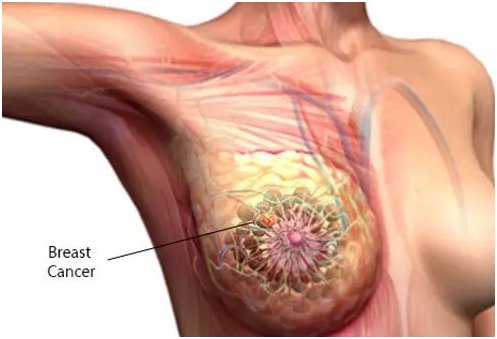
Breast cancer treatment may affect emotional well-being alongside physical health. Many patients experience stress, fear, uncertainty, and emotional exhaustion during treatment and recovery. These emotions may influence confidence, sleep, relationships, and daily life. For individuals undergoing breast cancer surgery in Delhi or similar treatment in other cities, emotional support often becomes an important part of overall care. Guidance from healthcare professionals, family members, and counsellors may help patients cope with treatment-related challenges more confidently and maintain emotional balance throughout recovery.
Common Emotional Challenges During Treatment
Breast cancer treatment may affect emotional health in different ways. Some patients feel emotionally overwhelmed after diagnosis, while others experience stress during surgery, therapy sessions, or recovery. Emotional reactions often change during different stages of treatment and recovery.
Some common emotional challenges include:
● Anxiety: Patients may feel worried before surgery, medical tests, or treatment sessions. Fear of uncertainty may increase emotional stress during this period.
● Emotional Fatigue: Ongoing appointments, treatment schedules, and physical recovery may sometimes lead to mental exhaustion over time.
● Sleep Disturbances: Emotional stress and uncertainty may affect sleeping patterns and overall rest during treatment.
● Reduced Confidence: Physical changes during treatment may affect self-image and emotional confidence in some patients.
● Feelings of Isolation: Some individuals may avoid discussing emotions openly, which may increase feelings of loneliness.
Recognising these emotional responses early may help patients seek emotional support and guidance during treatment and recovery.
Importance of Family and Caregiver Support
Family members and caregivers often provide emotional reassurance during breast cancer treatment. Their support may help patients feel more emotionally secure while managing treatment-related stress, hospital visits, and recovery. Consistent emotional support from loved ones can make a meaningful difference during difficult phases of treatment.
Simple actions such as listening calmly, helping with daily responsibilities, and offering encouragement may support emotional well-being. Patients may also feel more comfortable discussing concerns openly when family members respond with patience, reassurance, and understanding throughout the treatment journey and during emotionally challenging situations related to recovery.
Professional Emotional Support and Counselling
Professional counselling may help patients manage emotional stress linked to breast cancer treatment. Counsellors and mental health professionals trained in oncology care may support patients dealing with anxiety, emotional exhaustion, and uncertainty during different stages of treatment, recovery, and follow-up care appointments.
Many patients find it easier to discuss emotional concerns in a private and supportive setting. Counselling may also help individuals develop healthy coping methods, improve emotional expression, and manage fears related to surgery, treatment outcomes, recovery expectations, and emotional adjustments after treatment.
Support Groups and Shared Experiences
Support groups allow patients to connect with people who are going through similar experiences during breast cancer treatment. Many individuals find emotional comfort in discussing their concerns, recovery experiences, and emotional challenges with others facing comparable situations during different stages of care and recovery.
Shared conversations may help reduce feelings of isolation and emotional pressure during treatment. Some patients prefer face-to-face support groups, while others may feel more comfortable joining online communities that provide emotional encouragement and reassurance throughout different stages of recovery and emotional adjustment.
Maintaining Emotional Well-Being During Recovery
Recovery after treatment may continue to bring emotional adjustments. Patients recovering after breast cancer surgery may experience stress related to follow-up visits, physical recovery, or returning to daily routines. Emotional care remains important during this phase as well.
The following practices may help support emotional well-being during recovery:
● Regular Sleep: Maintaining a healthy sleep routine may help reduce fatigue and emotional stress.
● Social Connection: Staying connected with supportive family members and friends may improve emotional comfort.
● Light Physical Activity: Gentle physical activity, as advised by a healthcare professional, may help improve mood and confidence.
● Relaxation Time: Short periods of relaxation may help patients manage emotional pressure during recovery.
● Open Communication: Speaking openly with healthcare professionals about emotional concerns may help patients receive appropriate guidance.
These simple habits may help patients maintain emotional balance as they adjust to life after treatment.
Conclusion
Breast cancer treatment may affect emotional well-being throughout diagnosis, treatment, and recovery. Patients often experience anxiety, emotional fatigue, and uncertainty during this period. Support from family members, counsellors, healthcare professionals, and support groups may help reduce emotional stress and improve comfort. Compassionate communication and emotional reassurance can help patients feel more supported during their treatment journey. Timely emotional guidance and understanding from loved ones may also help individuals cope more confidently during recovery and follow-up care.
What's Your Reaction?