What Makes the Best Insoles for Plantar Fasciitis? (Hint: It's Not the Cushioning)
Finding the best insoles for plantar fasciitis relief starts with understanding exactly what is driving that pain.
If you’ve been hunting for insoles to help with plantar fasciitis, you’re probably drowning in choices—gel pads, foam inserts, extra-cushioned heel cups, you name it. They all promise to ease your pain. Most? Just end up disappointing you.
Here’s the part most insole companies won’t mention: just adding cushion doesn’t solve plantar fasciitis. It may feel slightly softer underfoot, but that doesn't solve the underlying issue. All you get is a temporary break.
So, what really works? The secret is what’s going on beneath the pain.
Why Your Heel Actually Hurts
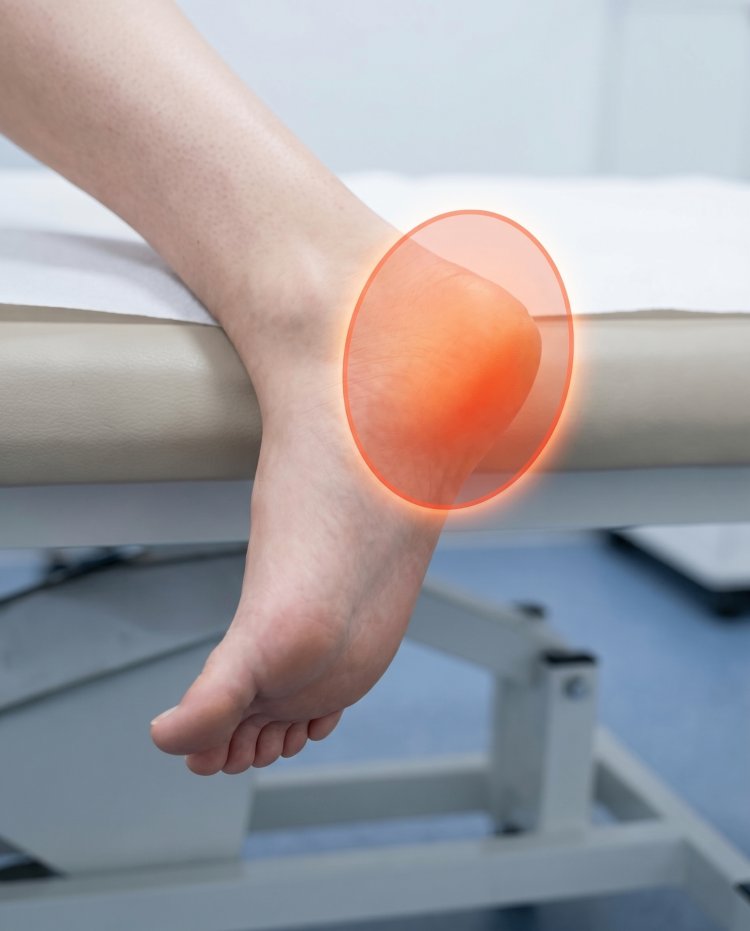
Plantar fasciitis is a major culprit behind heel pain in Australia. It hits people of every age and activity level. If you know that sharp stab in your heel, especially first thing in the morning, you already know the misery. That pain comes from inflammation in your plantar fascia, the thick band of tissue stretching from your heel to the ball of your foot. Finding the best insoles for plantar fasciitis relief starts with understanding exactly what is driving that pain.
But why does it get inflamed in the first place?
Most of the time, it’s all about poor foot alignment. If your arches don’t have enough support, or your feet tend to roll inward (overpronate), your plantar fascia takes on extra stress every time you walk. Do that day in, day out, and you end up with tiny tears, swelling, and that classic heel pain that makes even walking a chore.
And that’s why off-the-shelf cushioned insoles don’t cut it. They might take the edge off, but they don’t fix how your foot moves. So, after a brief window of comfort, the pain sneaks right back—sometimes even worse.
The right insoles don’t just soften the blow. They get your foot back into proper alignment.
What Sets Great Insoles Apart
When you’re weighing your options, ask yourself: am I getting real support and correction for my foot’s alignment, or is this just another layer of padding?
Because there’s a world of difference.
Cushiony insoles just sit there. They blunt some impact, but they can’t stop your feet from rolling in or solve your arch troubles. Think of them as a temporary fix for a deeper problem.
True alignment-focused supports work differently. They’re built to hold your foot in a healthy position with every step—supporting your arches, controlling your stride, and taking pressure off that inflamed plantar fascia. That not only gives the tissue a chance to recover, it tackles the reason you’re hurting in the first place.
If your heel keeps flaring up, this difference really matters.
Why You Need More Than One Level of Support
Plantar fasciitis isn’t the same for everyone. People deal with different pain levels, arch shapes, activities, and routines. Finding the ideal insole therefore entails tailoring the support to your circumstances.
That’s why a three-level support system works:
● Level 1 — Foundational Support: This one’s all about getting your foot used to the idea of proper alignment. It’s gentle and good for early-stage pain or mild symptoms.
● Level 2 — Ongoing Maintenance: Now your feet get stronger, and you keep your arches supported all day. This stops the little injuries that happen if your foot slips out of alignment during work or play.
● Level 3 — Full Relief System: Here you’re looking at a mix—some supports for when you’re active, others for rest and recovery. If your pain is stubborn or chronic, this level covers all the angles.
● Bottom line — You need support that matches your feet—not some generic insole pulled from a bin.
Why Most Insoles Let You Down
If you’ve ever wandered through a pharmacy or sporting goods aisle, you’ve seen the endless rows of insoles promising heel pain relief. But almost all of them chase the idea that more cushion equals more relief.
Here’s where that logic fails:
● Cushioning materials compress—they feel great at first, but then flatten out and stop helping.
● Off-the-shelf arch heights rarely match your foot. If it’s too low, it’s useless. Too high, and you’ll have even more aches, just in different spots.
● No two feet are exactly alike. With over 300 different arch shapes, a true fit needs to be personalised. That’s why a quick evaluation—where someone actually checks your arches, your walk, and your pain before making a recommendation—works way better than grabbing something generic.
How to Know You’ve Got the Wrong Insoles
If you’re still hobbling around with heel pain, even after adding insoles, it’s time for a reality check. Watch for signs like:
● Pain that fades a bit but comes roaring back in a few hours
● Soreness that actually gets worse the longer you stand or walk
● Heel pain spreading out into your arch or forefoot
● That “my shoes still don’t help” feeling, even with insoles inside
These all say one thing: you need real support and alignment, not just more padding.
A Smarter Way Out of the Pain
The ideal insoles for plantar fasciitis aren’t necessarily the plushest or priciest. The best ones are engineered to correct the root cause—your foot’s alignment.
At Good Feet Store, we start things off with a personalized assessment. Because knowing your foot’s unique shape is crucial. There are 300+ arch support combos and a system based on three levels of support. We don’t settle for just masking the pain. The idea is to fix what’s causing it.
If you're tired of the cycle and cushioned insoles haven't helped, it might be time to address the underlying cause rather than just the symptoms.
Drop by the Good Feet Store and step into life with less pain. Try it out—you get our 30-Day Just Feel It Guarantee, so you’ve got nothing to lose but the hurt.
What's Your Reaction?