Blue-Collar Workers and the Rise of Global Staffing: Why Skills, Speed, and Structure Will Define the Future of Jobs in India
For India, empowering blue-collar workers through training, structured employment opportunities, and strong workforce partnerships will play a critical role in shaping the future of jobs.
Introduction: The Workforce Powering India’s Economic Momentum
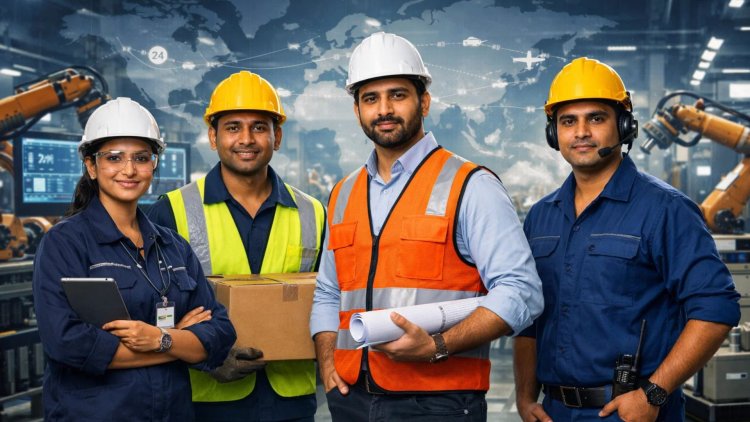
India’s workforce story is often told through the lens of technology, startups, and digital innovation. However, a large part of the country’s economic engine is powered by blue-collar workers—the technicians, operators, logistics staff, and skilled tradespeople who keep industries running every day.
According to the International Labour Organization (ILO) and India’s labour statistics, the country has a workforce of over 500 million people, with a majority engaged in blue-collar and semi-skilled roles across sectors such as manufacturing, logistics, construction, retail, and infrastructure.
As India aims to become a global manufacturing and supply chain hub, the demand for skilled blue-collar talent is expected to grow significantly. At the same time, businesses face an important challenge: how to find trained workers quickly, deploy them efficiently, and scale teams as industries grow.
This is where structured workforce strategies and partnerships with a global staffing company are becoming essential for modern businesses.
India’s Blue-Collar Workforce: The Backbone of Industrial Growth
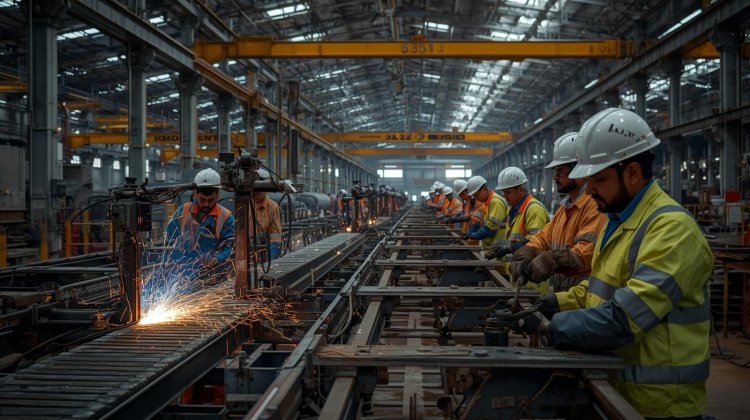
Blue-collar professionals form the foundation of several key industries, including:
● Manufacturing and industrial production
● Logistics and supply chain operations
● Construction and infrastructure
● Automotive and engineering
● Warehousing and e-commerce fulfillment
According to government projections, India’s manufacturing sector aims to contribute 25% of GDP by 2030, potentially creating 80–90 million new jobs. Many of these roles will require technically skilled blue-collar professionals capable of operating modern equipment, automated systems, and digital manufacturing technologies.
This shift means that traditional labor models are evolving toward skill-based workforce ecosystems.
The Growing Skill Gap in the Blue-Collar Economy
Despite India’s vast labor pool, industries frequently report a shortage of skilled workers. Data from the National Skill Development Corporation (NSDC) indicates that only about 4–5% of India’s workforce has received formal skill training, compared with significantly higher percentages in developed economies.
For employers, this gap creates several operational challenges:
● Delays in project execution
● Increased training and onboarding costs
● High workforce attrition
● Inconsistent productivity levels
Modern industries require workers who understand safety protocols, machinery operation, quality standards, and digital workflows. As factories and logistics systems adopt automation and smart technologies, the expectations from blue-collar workers are also rising.
This growing demand for skilled labor has pushed companies to rethink traditional hiring practices and adopt more structured workforce strategies.
Why Global Staffing Companies Are Becoming Strategic Partners
In today’s fast-moving business environment, companies cannot afford long hiring cycles or unpredictable workforce availability. To address these challenges, many organizations are turning to a global staffing company that specializes in talent sourcing, workforce deployment, and operational workforce management.
Global staffing partners support organizations by:
● Providing access to large pools of trained workers
● Reducing hiring timelines
● Managing workforce compliance and documentation
● Supporting workforce scaling across multiple locations
● Delivering structured recruitment and training processes
By outsourcing workforce management to specialized staffing providers, businesses can focus on their core operations while ensuring consistent access to skilled talent.
This approach is particularly valuable for industries that require large-scale workforce deployment, including manufacturing plants, logistics networks, and infrastructure projects.
Training and Apprenticeships: Building a Skilled Workforce Pipeline
Bridging the skills gap requires more than just recruitment—it requires structured training ecosystems that prepare workers for real-world industrial environments.
India has made significant progress in this area through apprenticeship and skill development initiatives. Programs aligned with industry training frameworks help workers gain hands-on experience before entering full-time employment.
These training models benefit both workers and businesses.
For workers, they provide:
● Practical industry exposure
● Technical skill development
● Improved employability
● Long-term career opportunities
For companies, they help create:
● Job-ready talent pipelines
● Lower onboarding costs
● Higher workforce productivity
● Improved workforce retention
Organizations that integrate training into their workforce strategy are better positioned to build sustainable and scalable operations.
Building Scalable Workforce Models for a Global Economy

As supply chains expand and industries operate across multiple geographies, companies increasingly require workforce models that are both flexible and scalable.
Businesses today need workforce systems that allow them to:
● Scale hiring quickly during business expansion
● Deploy trained workers across multiple locations
● Maintain productivity during seasonal demand spikes
● Adapt to changing project requirements
Modern workforce solutions combine technology platforms, talent networks, training programs, and workforce management systems to deliver these capabilities.
By partnering with structured workforce providers, organizations can transform workforce management from an operational challenge into a strategic advantage.
The Future of India’s Blue-Collar Workforce
India has the potential to become one of the world’s most important sources of skilled labor across industries. With the right focus on skill development, workforce infrastructure, and structured hiring models, the country can unlock significant opportunities for economic growth.
According to global workforce trends, the demand for skilled labor in manufacturing, logistics, and infrastructure will continue to rise over the next decade. Countries that successfully build large pools of trained workers will be better positioned to attract global investment and industrial expansion.
For India, empowering blue-collar workers through training, structured employment opportunities, and strong workforce partnerships will play a critical role in shaping the future of jobs.
At the same time, businesses that adopt modern workforce strategies and collaborate with experienced staffing partners will gain the flexibility and scale required to compete in a rapidly evolving global economy.
What's Your Reaction?