What Fashion Startups Should Prepare Before Starting Clothing Production
For brands working with small batch clothing manufacturers, sampling combined with smaller initial quantities can also reduce inventory risk while the product is still being tested.
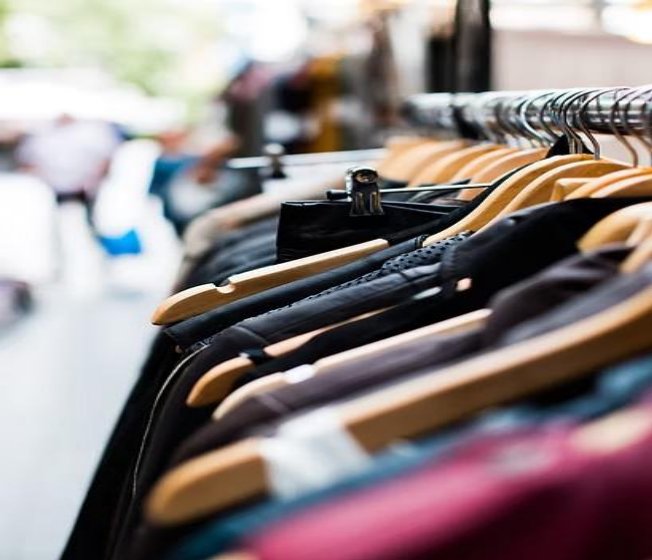
Starting a clothing brand requires more than a strong design idea. Before production begins, founders need clear specifications, realistic quantities, approved samples, and a practical manufacturing plan.
For new brands researching clothing manufacturers for startups, preparing these details early can make production smoother and reduce costly revisions later.
Good preparation before production can prevent expensive mistakes once manufacturing begins.
Define the Product Clearly
A manufacturer needs more than a sketch or inspiration image.
Before contacting clothing manufacturers, founders should clarify:
● Garment type and intended fit
● Fabric preferences
● Size range and colors
● Labels, trims, and branding
● Approximate order quantity
Brands should also determine whether they already have patterns and technical specifications or need development support.
The clearer the product is at the beginning, the easier it becomes to create accurate samples, pricing, and production plans.
Approve the Sample Before Production
Sampling allows founders to evaluate the actual garment before committing to a full order.
Important areas to review include:
● Fit and measurements
● Fabric performance
● Stitching and seams
● Closures and trims
● Overall finishing
Any revisions should be documented before production begins.
For brands working with small batch clothing manufacturers, sampling combined with smaller initial quantities can also reduce inventory risk while the product is still being tested.
An approved sample should become the standard that bulk production follows.
Set a Realistic Production Quantity
Ordering more garments may reduce the cost per unit, but it also increases inventory risk.
New brands should choose quantities based on their budget and expected demand rather than simply chasing the lowest unit price.
Minimum order quantities can also vary between manufacturers. An MOQ may apply by style, color, fabric, or total order.
Understanding these requirements early helps founders create collections that are financially realistic.
Plan for the Full Production Cost
Manufacturing expenses often go beyond cutting and sewing.
Depending on the project, additional costs may include patterns, samples, grading, fabrics, trims, printing, embroidery, labels, packaging, and shipping.
Founders should therefore ask exactly what is included in a quotation.
A slightly higher manufacturing price may provide better overall value if development, quality control, or other important services are included.
Give the Production Process Enough Time
Custom apparel development usually involves several stages.
Patterns may need revisions, samples may need adjustments, materials must arrive, and production has to be scheduled.
Trying to rush these stages can increase the likelihood of mistakes.
Brands should build some flexibility into their launch calendar rather than setting a fixed launch date before understanding the manufacturer's timeline.
Choose the Right Level of Manufacturing Support
Some brands arrive with completed patterns and specifications. Others may only have a design concept.
A first-time founder may need support with design development, pattern making, sampling, grading, and cut-and-sew production.
When searching for "clothing manufacturers near me" or "cut and sew manufacturers near me," location can be useful, but capabilities should remain the priority.
For brands considering domestic production, working with clothing manufacturers in Georgia can also make communication and product development easier.
The goal is to work with a manufacturer whose services match the current stage of the brand.
Final Thoughts
Successful clothing production begins before fabric reaches the cutting table.
Founders who define their products clearly, approve samples carefully, understand production costs, and choose realistic quantities are better prepared for manufacturing.
The first production run should also provide useful information about sizing, customer demand, colors, and product performance.
With proper preparation, fashion startups can reduce unnecessary revisions, control inventory risk, and build a more reliable foundation for future production.
What's Your Reaction?