The Engineering Decisions Behind The Success and Failures of Pressure Vessels Design
Pressure vessel design is a set of calculations of wall thickness, material, shape and reinforcement of a container to store safely liquid or gaseous medium under pressure.
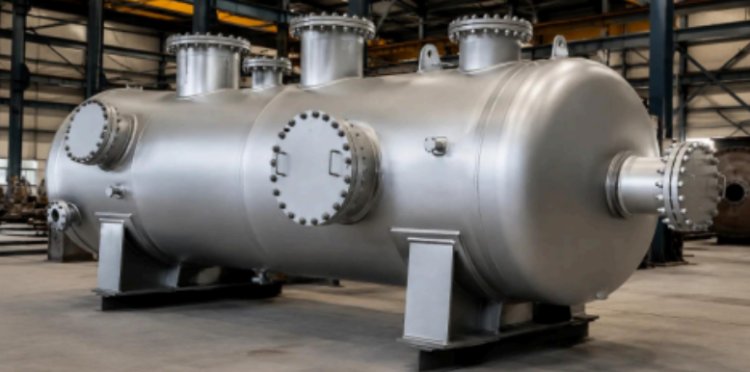
All water treatment engineers are haunted by many nightmares and pressure vessel design is one of them. You may assume that this topic belongs to structural engineers, but while purchasing or specifying the filtration equipment, you have to know how this process works. We deal with pressure-rated tanks and filter housings in Bionics Scientific every day and engineering decisions are among the first issues to consider. Pressure vessel design errors are the main cause of all failures.
Pressure Vessel Design Overview
Pressure vessel design is a set of calculations of wall thickness, material, shape and reinforcement of a container to store safely liquid or gaseous medium under pressure. The process implies not only estimation of tank strength, but also consideration of all details that might influence its performance under particular pressure, temperature and corrosive conditions.
Why Are Wall Thickness and Material Choice Crucial?
Wall thickness is responsible for pressure rating and long-term fatigue resistance of the tank and the error in it is a thing that cannot be ignored. Higher wall thickness increases pressure rating, but does not give you additional advantages according to its price. Therefore, reputable companies use codes when designing pressure vessels to avoid unnecessary estimations.
Material selection is equally important. Carbon steel can be used effectively in most cases, but sometimes stainless steel and FRP are preferred due to the excellent resistance to corrosion.
Codes and Safety Factors in Pressure Vessel Design
Design of pressure vessels follows the codes in regard to allowable stress, joint efficiency and minimum thickness in any reputable company and there are several reasons for it. Pressure vessels have a huge amount of stored energy inside them and they are created to avoid its catastrophic release. Allowable stress in codes includes safety factors taking into account material deficiency, variable pressure and wear.
Design, Nozzles Locations and Stress Concentrations
The shape that is characterized by the presence of cylindrical shape and the ellipsoid or hemispherical heads is usually applied in the process of designing pressure vessels because it provides a more even distribution of internal pressure compared to the flat-ended tanks and, consequently, decreases the number of stress concentrations. Nozzles and inlets/outlets design is also crucial because their location influences the distribution of stresses in the tank and causes the appearance of cracks near the welds. The proper design always considers the location of nozzles on the stage of designing.
Why It Matters When Buying Filtration Equipment
Any person who buys pressure filter vessels or storage tanks that are used for water treatment should be aware of the information mentioned above because this knowledge allows posing right questions before purchasing the equipment. The vessel that has the correct documentation and tested wall thickness will work longer than the cheaper one.
Conclusion
Well-designed pressure vessels are the result of cooperation between safety measures, engineering, and material science. And it seems very logical to pay attention to the engineering factors while choosing pressure vessels. This is the reason why engineering of pressure vessels is important for Bionics Scientific.
What's Your Reaction?