Pressure Vessel Manufacturing in India: Why Everyone Watches This Industry
In searching for a pressure vessel manufacturer in India, buyers learn that certificates really matter there. While foreign customers want vessels certified in accordance with ASME U-Stamp standard for North America and PED for Europe, Indian companies require their manufacturers to have an IBR certificate for boilers.
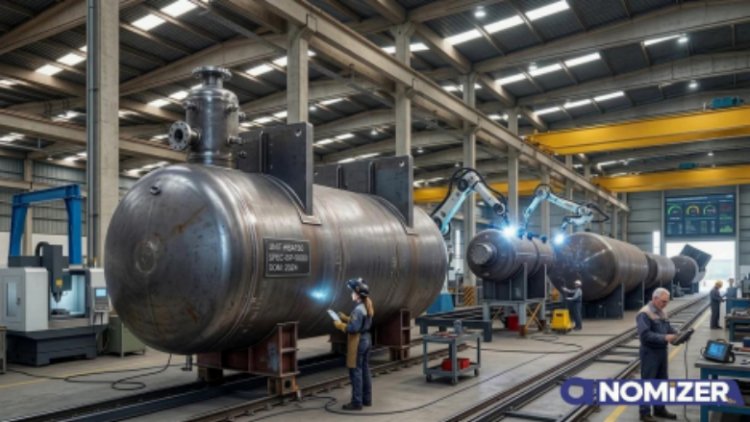
Go around any important industrial region in Gujarat, Maharashtra, or Tamil Nadu, and you will see something which has remained unnoticed in the written sources but is evident in the industrial reality – pressure vessel manufacturing in India has become one of the most competitive industries in the heavy engineering sector. The licensed vessels used by Indian companies at the refineries have turned into an export product with ASME approval for being sold abroad to the Middle East, Southeast Asian, and European customers.
Why Is There Such a Trend in Demand?
Several reasons can be pointed out in explanation of the above trend. First, the growth of the chemical, oil and gas, and pharmaceutical industries creates the need for more reactors, tanks, and heat exchangers to be produced in accordance with the requirements. Secondly, foreign buyers have begun to look for new vendors in order not to have problems with purchasing their equipment only from China and South Korea. Thirdly, the government support of domestic manufacturers in the form of Production Linked Incentives programs causes the manufacturers to invest into necessary technologies, such as welding equipment and non-destructive testing laboratory.
Certifications Really Matter to Be Verified
In searching for a pressure vessel manufacturer in India, buyers learn that certificates really matter there. While foreign customers want vessels certified in accordance with ASME U-Stamp standard for North America and PED for Europe, Indian companies require their manufacturers to have an IBR certificate for boilers. Besides, reputable manufacturers possess ISO 9001, which proves their quality management systems and API for the oil and gas industry. Ignoring the importance of these certificates results in paying the high price for the recertification of vessels.
Materials, Welding and Quality Control
While there is little difference in prices offered by Indian pressure vessel manufacturers, the process, on the contrary, differs greatly. The best companies fabricate vessels made of various materials such as carbon and stainless steel, duplex steel and specialty steel grades like Hastelloy and Inconel according to particular operating environment conditions. Welding procedures qualification is performed according to WPS and PQR requirements, while radiography and ultrasonics are carried out prior to any vessel leaving the workshop. Hydrostatic testing post fabrication is done to check the vessel's ability to withstand full pressure operation. This is the last stage before shipment.
Selection of a Suitable Manufacturer
When analyzing prospective suppliers, make sure to get all the information about code stamp history, references from recent projects and in-house testing facilities. It will give an advantage to those manufacturers having NDT lab and experienced welding inspectors compared to those having outsourcing services. Moreover, you may find useful to ask about documentation procedures. Having a comprehensive data book with material certificates, weld maps and inspection certificates is extremely helpful during commissioning.
Looking Forward
Indian pressure vessel manufacturing business shows no signs of slowing down. With the expansion of refinery capacities of already existing plants, increasing number of pharmaceutical manufacturing facilities and emerging projects of green hydrogen production, the market will only see growing demand for quality pressure vessels. Those ready to perform proper due diligence will find India a very good place for pressure vessels procurement.
What's Your Reaction?