How to Target Millennials and Gen Z with Emails?
A sharp, sales-driven guide to mastering email marketing for Millennials and Gen Z. From decoding behavior differences to crafting mobile-first, personality-led campaigns, this article covers the trends, tactics, and B2C strategies that turn younger subscribers into loyal customers.
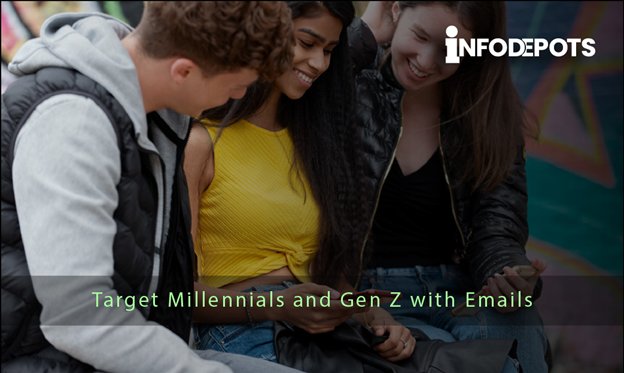
Marketers love to argue about which channel rules the digital world, but inboxes keep telling the same story: people still open their emails. The catch? Younger audiences open them on their own terms. If your brand wants to win the attention of two of the most powerful spending generations alive today, you need a sharper playbook for email marketing — one built around how Millennials swipe through breakfast and how Gen Z scrolls between classes, gym sets, and side hustles.
Let's break down what actually works.
How Gen Z & Millennials Engage with Email Marketing?
Before we talk strategy, we need to understand behavior. “How Gen Z & Millennials Engage with Email Marketing?” is the question every brand should be asking before drafting another campaign.
- Millennials (born roughly 1981–1996) treat email as a serious channel for deals, newsletters, and brand updates. They expect personalization and respect a well-timed offer.
- Gen Z (born 1997–2012) treats email more like a filter. They subscribe quickly, unsubscribe faster, and reward brands that feel authentic, visual, and mobile-first.
- Both groups read email almost exclusively on smartphones, meaning a clunky desktop layout is essentially a delete button.
"If your email doesn't earn its place on a Gen Z phone in three seconds, it never will."
The shared truth is simple: these audiences value relevance over volume. One hyper-personalized message will outperform five generic blasts every single time.
Gen Z vs Millennials Email Marketing Trends
While both generations live online, their inbox habits diverge in interesting ways. Understanding Gen Z vs Millennials email marketing trends is what separates a thoughtful campaign from a forgettable one.
- Tone: Millennials respond to polished, aspirational messaging. Gen Z prefers casual, witty, and unfiltered language.
- Visuals: Millennials are comfortable with text-led emails and clear CTAs. Gen Z gravitates toward bold typography, GIFs, memes, and short-form video previews.
- Trust signals: Millennials trust brand reputation and reviews. Gen Z trusts creators, communities, and user-generated content.
- Loyalty drivers: Millennials reward consistency and rewards programs. Gen Z rewards values — sustainability, inclusivity, and transparency.
- Frequency: Millennials tolerate 2–3 emails per week. Gen Z prefers fewer, smarter sends.
In short, Millennials want value; Gen Z wants vibe — and the smartest brands deliver both.
How to Engage Gen Z & Millennials with Email Marketing?
So, here's the strategic core: how to engage Gen Z & Millennials with email marketing? The answer is a blend of personalization, design discipline, and emotional intelligence.
- Lead with personality, not products. Open with a hook — a question, a stat, a punchy one-liner. Save the pitch for paragraph two.
- Segment ruthlessly. Don't lump a 38-year-old homeowner and a 22-year-old college student into the same list. Behavior, location, and purchase history should drive your segments.
- Design for thumbs. Single-column layouts, large tap targets, and compressed images. If it scrolls smoothly on a phone, you've already won half the battle.
- Use interactive elements. Polls, quizzes, countdown timers, and gamified CTAs lift click rates dramatically — especially among Gen Z.
- Write subject lines like text messages. Six to nine words. No clickbait. Curiosity beats hype every time.
- Respect the inbox. Send when it matters, not when your calendar says so. Behavior-triggered emails (cart abandonment, browse follow-ups, post-purchase tips) outperform scheduled blasts by a wide margin.
"Stop selling. Start showing up like a friend with good taste."
Ways to Improve Email Engagement for Gen Z Users
Gen Z is the trickier audience because they're quick to ghost a brand. Here are proven ways to improve email engagement for Gen Z users without sounding like you're trying too hard.
- Use first-name personalization, but go deeper — reference a recent purchase, a viewed product, or a location-based offer.
- Add social proof in the form of TikTok reviews, screenshots, or community shoutouts.
- Embed short videos or animated previews instead of static banners.
- Offer micro-rewards: early access, exclusive drops, or community-only discounts.
- Always include a quick, friction-free unsubscribe option. Trust grows when you make leaving easy.
- A/B test emojis in subject lines — Gen Z notices them, but only when used sparingly.
Why B2C Emails Still Win for Younger Audiences?
Despite every prediction of email's death, B2C emails remain one of the highest-ROI channels in modern marketing — averaging $36 to $42 returned for every $1 spent. For Millennials and Gen Z, B2C emails work because they feel chosen rather than pushed. Subscribers opted in, which means they've already raised their hand. Your job is simply to keep showing up with value, taste, and timing.
A few B2C wins to bake into every campaign:
- A clear, single CTA per email.
- Authentic, human-sounding copy — no corporate jargon.
- Mobile-first design with dark-mode compatibility.
- Loyalty perks that feel like membership, not marketing.
Final Thoughts
Targeting Millennials and Gen Z isn't about chasing trends — it's about respecting how they live, scroll, and shop. Brands that combine sharp segmentation, mobile-first design, and a genuinely human voice will keep winning inboxes long after the next algorithm update. Treat email as a conversation, not a campaign, and these generations will reward you with attention, loyalty, and revenue.
What's Your Reaction?