Navigating Short-Form Content And Proofreading In Canada
Learn why micro-content is rising in Canada, how micro-content proofreading improves clarity, and what short-form writing means for modern proofreaders.
Why Micro-Content & Short-Form Documents Are On the Rise, And What It Means for Proofreading in Canada
Ever scrolled through your phone and barely made it past the first two lines before moving on?
You are not alone. In today’s fast-paced world, people crave content that is quick, punchy, and to the point.
Micro-content and short-form document proofreading are dominating how we communicate.
Think about your last email, social media post, or even a report summary. Chances are, if it wasn’t immediately clear, it got skimmed or ignored. That shift is reshaping how businesses, writers, and even students approach their messaging.
For proofreaders in Canada, this trend is a game-changer. Every word matters, every sentence counts, and clarity is not just appreciated but essential. But how do you adapt when compactness is key?
Why micro-content and short-form documents are taking over
In Canada, attention spans are shrinking. Long reports, dense emails, and multi-page documents are losing their grip. Readers want information fast. They want it clear. They want it now.
This rise of micro-content is about efficiency, impact, and engagement. Short-form documents are designed to be skimmed, scanned, and understood in seconds.
For proofreaders, this shift means rethinking traditional approaches. Every word must earn its place. Typos, clunky phrasing, or unclear sentences stand out even more.
What this kind of shift means for proofreading in Canada
Short-form content leaves no room for error. Unlike a long document, where a single typo might be overlooked, micro-content proofreading demands perfection. A small mistake can confuse readers or dilute the impact of your message.
For Canadian businesses and writers, this is a huge deal, especially when building trust with clients or readers.
According to recent studies, over 70% of readers skim online content rather than reading it word-for-word.
This means your proofreading has to ensure that clarity, tone, and grammar are spot-on at first glance. Every comma, every word choice, every sentence structure matters.
Proofreaders now wear multiple hats. Beyond catching errors, they ensure:
· Concise: every word must earn its spot.
· Consistency: tone and style should match the brand and purpose.
· Readability: Even a short document should flow naturally.
· Impact: Each sentence should deliver maximum meaning.
Examples in action
· Emails: A concise subject line and a two-sentence body can outperform a long paragraph. Proofreading ensures clarity without losing personality.
· Social media posts: one awkward phrase or misspelled word can reduce engagement by up to 50%, according to marketing research.
· Executive summaries: a single confusing line could mean the difference between approval and rejection. Proofreading ensures precision.
|
Aspect |
Traditional Proofreading |
Short-Form / Micro-Content Proofreading |
|
Focus |
Correcting typos, grammar, and punctuation |
Clarity, conciseness, and impact |
|
Length Tolerance |
Can handle longer, more detailed text |
Every word counts. No filler allowed |
|
Reader Engagement |
Assumes time for careful reading |
Must grab attention instantly |
|
Tone Consistency |
Important, but flexible |
Critical. The tone must match the brand/message immediately |
|
Error Impact |
Minor mistakes may be overlooked |
Small errors can significantly reduce credibility |
|
Tools & Techniques |
Standard proofreading tools |
Emphasis on readability, flow, and skimmability |
|
Goal |
Error-free, polished document |
Clear, impactful, and instantly understandable content |
The rise of micro-content
We live in a world of endless scrolling. Smartphones, tablets, and laptops have made information more accessible than ever, but also more fleeting.
Readers don’t have time for long paragraphs or multi-page documents. They want the essence fast.
Micro-content is designed to meet that need. Think social media captions, email subject lines, push notifications, or one-page summaries. Each piece is concise, digestible, and impactful.
In fact, studies show that over 70% of online content is now consumed in micro-form, from tweets to short LinkedIn posts.
For Canadian businesses and professionals, it is a shift in how audiences engage.
Whether it is a startup sending a newsletter or a large corporation publishing a report, the contentneeds proofreading for concise writing and to be instantly understandable. Content Editors demands precision, clarity, and above all, readability.
Key challenges for proofreaders in short-form content
· No room for error: every word counts, and even mirror typos can reduce credibility.
· Clarity under pressure: short-form content must communicate ideas instantly, leaving no space for vagueness.
· Maintaining tone: the brand’s voice must be clear and consistent, even in just a few sentences.
· Cultural and linguistic nuances: Canadian English can blend British and American conventions, requiring careful attention.
· Adapting complex ideas: condensing detailed information into concise, understandable messages is challenging.
· High reader expectations: audiences expect micro-content to be engaging, accurate, and easy to skim.
· Formatting and visual flow: proper use of bullets, headings, and spacing can make or break readability.
Skills modern proofreaders need
· Concise and clear: Ability to make every word count without losing meaning.
· Digital communication awareness: Understanding how audiences consume content on social media, emails, and mobile devices.
· Tone adaptability: Adjusting style for different audiences.
· Attention to detail: Spotting even the smallest errors in grammar, punctuation, and spelling.
· Localisation knowledge: Familiarity with Canadian English, including spelling, grammar, and cultural references.
· Time efficiency: Proofreading quickly without compromising quality, especially for fast-paced digital content.
· Tech-savviness: Comfortable using grammar tools, readability checkers, and collaborative platforms like Google Docs or Notion.
Tools and techniques to enhance short-form proofreading
Short-form document proofreading demands precision, speed, and clarity. Proofreaders today rely on a mix of traditional skills and modern tools to ensure every word counts. Here’s how:
· Grammar and Spellcheck Tools: Platforms like Grammarly, ProWritingAid, and Hemingway Editor catch common errors, suggest improvements, and enhance readability.
· Readability Checkers: Tools such as Readable.com or the built-in Flesch-Kincaid score in Word help ensure content is skimmable and easy to digest.
· Mobile Previews: Since most micro-content is consumed on mobile devices, previewing documents on smartphones and tablets ensures the text displays correctly.
· Collaborative Platforms: Google Docs, Notion, and Microsoft Teams allow real-time editing and feedback, speeding up the proofreading process.
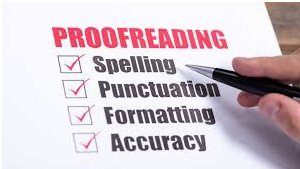
· Checklists: Creating a checklist for tone, clarity, grammar, and formatting ensures nothing is overlooked.
· Reading Aloud: Reading content aloud helps identify awkward phrasing, missing words, or unclear sentences.
· Highlighting Key Points:Emphasise critical information or action items to make micro-content more effective and scannable.
Frequently asked questions
1. What is micro-content?
Micro-content refers to short, focused pieces of information designed to be quickly consumed. Examples include social media posts, email subject lines, one-page summaries, and push notifications.
2. How is short-form proofreading different from traditional proofreading?
Short-form proofreading focuses not just on correcting errors but also on clarity, conciseness, tone, and immediate readability. Every word matters.
3. Are proofreading tools enough, or is human oversight still necessary?
Tools can catch grammar and spelling mistakes, but human proofreaders ensure tone, clarity, and cultural appropriateness, which are essential for engagement, especially in Canadian English.
Wrapping it up
The rise of micro-content and short-form document proofreading is transforming the world of proofreading.
In Canada, where clarity, professionalism, and engagement are valued, proofreaders must adapt to stay relevant. Every word counts, every sentence matters, and precision is key.
For modern proofreaders, this sift is an opportunity.
By refining skills in conciseness, tone, and readability, and using the right tools, proofreaders can ensure their content stands out in a crowded digital landscape.
What's Your Reaction?