How to Build Trust with Ethical Email Marketing
This article highlights some of the important pointers that need to be taken into consideration to win the trust of subscribers. Thus, it talks about the core strategies and the best practices of ethical email marketing.
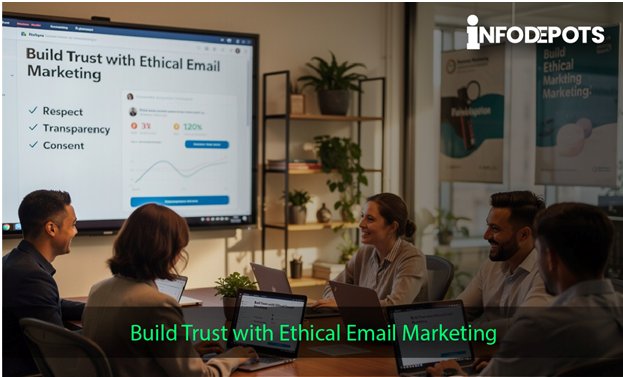
Ethical Email Marketing is the practice which an email marketing team follows to earn a subscriber's confidence through honest communication, clear consent, and real respect for privacy, so that a business can build a lasting relationship with genuinely interested customers over time.
Though email marketing grows on subscriber trust and brand reliability, currently it has become a competitive and challenging field with so many brands filling up inboxes each day. To grab a position among the winners of this competition, ethical email marketing ideas need a break from the traditional techniques of mass mailing. The twenty-first century being a digital era, brands should stay in constant and honest touch with their subscribers, either through email or social media. But way before you start hitting your subscriber list, there are a few points that require taking into consideration.
HowTo Build Trust with Ethical Email Marketing
1. Consent Matters the Most:
If you treat each subscriber on your list as a piece of gold, then it is equally important to ornament the body of the mail as well. Meaning to say, instead of aiming at sending mass emails to people who never asked for them, it will be of real help if you add subscribers only through a genuine opt-in, with your business message set clear from the very first email itself. Mail can be trusted only if the consent behind it is transparent. Reviewing your subscriber data regularly will help you understand how to improve the honesty of your campaigns, one of the core ethical email marketing strategies that keeps a list healthy for years.
2. Figure Out the Interested Ones:
Just because you have a long list of subscribers does not mean you send the same message to all of them. Doing so, your brand image will end up with the impression of being careless and pushy. Figure out the subscribers who genuinely need a peek at your offers and updates with the aid of thoughtful segmentation, instead of blanket sends that feel more like surveillance than service.
3. Offer a Personal Touch:
Customers and clients being "HUMAN," it should be noted to craft your email in a way that it offers a personal touch, allowing the reader to not feel that their email is a part of a mass send. To win your subscribers' trust, follow these steps while creating an email next time:
· Greetings for Reader: Always start your email by greeting your subscriber to make them feel valued.
For example: "It has been a while since we last reached out, so today we're taking a moment to update you on what's new with us…"
· Engaging Content: Compose an honest, crisp, and value-driven email body. This is one of the best practices for ethical email marketing that professional marketers swear by.
· A Word of Goodbye: Instead of ending your email in the usual, abrupt manner, make it sound a bit more personal.
For example: "Feel free to reach out to us anytime at (contact email/number). We're happy to answer any questions you have."
4. Attractive and Honest Subject Lines:
It is of no use if your mail is never opened by the receiver. Thus, it is necessary to have well written, honest subject lines as headers. This increases the open rate of any email marketing campaign. Moreover, a subject line that actually matches the content inside, without any misleading promise, is what keeps a subscriber opening your next mail too, instead of hitting unsubscribe.
Major Benefits of Ethical Email Marketing:
· Creation of brand loyalty through honest and value-driven email content
· A closer, more genuine relationship with subscribers who are actually interested in your offers
· Helps improve customer trust with email marketing over time, leading to better open rates and conversions
· Promotes your brand as a name subscribers can rely on, resulting in sustainable, long-term growth
What's Your Reaction?