Office Mats for Home Workspaces: Comfort, Ergonomics, and Cleanliness
Office mats may seem like small additions as accessories. But they change the experience in ways you don’t expect. They absorb shock. They reduce fatigue. They quietly support you while you chase deadlines.
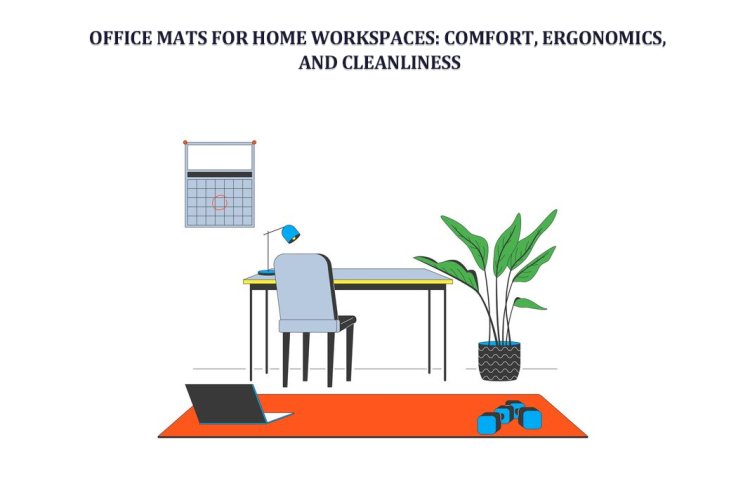
Are you truly comfortable in your home workspace? Have you ever stood up from your desk and felt older than you are? Like your back aged ten years in eight hours. It’s strange, isn’t it? You’re home. You’re safe.
You’re sitting in what should be the most comfortable place on earth. Yet your feet ache. Your lower back whispers complaints. Your focus slips. Something feels off.
I remember setting up my first home office in the corner of the living room. Nice desk. Decent chair. Good lighting. I thought I nailed it. But by week two, I was exhausted. Not mentally, but physically.
The floor beneath me was hardwood. Beautiful. Cold. Unforgiving. That’s when I realized comfort doesn’t stop at eye level. It starts at the ground. And most of us forget that part completely.
Rise of the Home Workspace
Home offices used to be temporary, a laptop on the kitchen table. A chair was dragged from somewhere else. “This will do for now,” we said. But now? Now it’s permanent. We spend real hours there. Eight. Ten. Sometimes more. And slowly, the body keeps score.
People obsess over ergonomic chairs and adjustable desks. Monitor arms. All important, yes. But the floor? Almost invisible in the conversation. Yet it supports everything. Your weight. Your posture. Your micro-movements. It’s silent. But it matters.
I’ve seen friends invest thousands into sleek setups, only to stand on bare tile all day. By month three, they complain about knee pain. Heel pain. Random back tension. They don’t connect it to the floor. But it’s often right there, under their feet, doing nothing to help.
Comfort: Reducing Fatigue from the Ground Up
Hard floors look clean. Professional. Minimal. But stand on them long enough and your body protests, quietly at first. Then louder. Ankles tighten. Calves burn slightly. Your back stiffens. You shift weight without realizing it. Small discomfort becomes background noise. And that noise drains energy.
Comfort is not dramatic. It’s subtle. It’s the absence of distraction. A supportive surface cushions impact, reduces pressure on joints, and allows muscles to relax just enough. Not too soft. Not too firm. That balance is everything.
I once worked a full day at a standing desk on bare laminate flooring. By 3 PM, I was leaning on the desk as it owed me money. The next week, I added a cushioned mat. Same desk. Same workload. Totally different ending. I finished upright. Stable. Not perfect, but better.
Office mats may seem like small additions as accessories. But they change the experience in ways you don’t expect. They absorb shock. They reduce fatigue. They quietly support you while you chase deadlines. And that support builds up over time.
Ergonomics: Supporting Healthy Posture and Movement
Ergonomics sounds technical. Scientific. A bit stiff. But really, it’s simple. Your environment should fit you—not force you into awkward shapes. And posture isn’t just about your spine. It’s about how your feet connect to the floor.
When you stand on a rigid surface, your body compensates. Knees lock. Hips tilt. Shoulders adjust slightly. It’s small, almost invisible shifts. But they add up. A supportive mat encourages tiny movements. Micro-motions. The kind that keeps blood flowing and muscles awake.
Movement is life in a workspace. Total stillness is the enemy. With the right surface under you, you shift naturally. Lean. Adjust. Rebalance. These movements reduce stiffness without you even thinking about it. It feels effortless. And that’s the point.
Even when sitting, the story doesn’t end. Your feet need stability. A gentle cushion can prevent pressure buildup and encourage better leg positioning. It sounds minor. It isn’t. Posture starts at the bottom and travels upward. Always.
Cleanliness: Protecting Floors and Maintaining Hygiene
Now let’s talk about the less glamorous side. Dirt. Dust. Chair wheels grinding into hardwood. That subtle scraping sound that makes you cringe. Floors take a beating in a home office. Especially if you move a lot.
I learned this the hard way. After six months, faint scratches appeared under my chair. Not deep. But permanent. The floor lost its smooth shine. And I couldn’t un-see it. A simple protective layer would have saved it. Sometimes prevention is embarrassingly simple.
Mats act like shields. They catch debris. They absorb small spills before they spread. Coffee accidents happen. Water bottles leak. It’s life. A moisture-resistant mat can mean the difference between a quick wipe and long-term damage.
And then there’s hygiene. Shoes bring in particles from outside. Tiny bits of everything. A mat can trap much of it before it travels across the room. Cleaning becomes easier. Faster. Less stressful. You vacuum the mat, not the entire floor. Simple systems work best.
Types of Mats for Home Workspaces
Not all mats are created equal. Some are thick and cloud-like. Others are firm and transparent. Choosing the right one depends on how you work. And how you move.
Anti-fatigue mats are ideal if you stand often. They’re cushioned, supportive, and designed to reduce joint pressure. Step onto one and you feel the difference immediately. There’s a subtle give—a quiet bounce.
Chair mats are different. They focus on surface protection and smooth rolling. If you sit most of the day, this matters more than you think. Rolling resistance strains the hips and legs over time. A smooth surface makes movement effortless.
There are hybrid options too. Mats that balance comfort and durability. Perfect for adjustable desk users who shift between sitting and standing. Flexibility is key in modern workspaces. Your mat should adapt with you, not limit you.
Material Matters: Choosing the Right Construction
Material changes everything. Foam feels soft, welcoming. It compresses gently underweight. High-density foam, especially, maintains shape over time. But cheaper foam? It flattens. Quickly. Then what’s the point?
Rubber is tougher. Durable. Slightly heavier. It grips the floor well, which improves stability. Sometimes there’s an initial smell, though. It fades. But it’s there.
Plastic and polycarbonate options are firm and transparent. Great for chair movement. Less about comfort. More about protection. They’re practical. Efficient. But don’t expect cushioning from them.
Choosing material isn’t just technical. It’s personal. It depends on how long you stand. How often do you move? And how much you care about floor aesthetics versus underfoot comfort. There’s no universal answer.
Safety Considerations
Safety sounds obvious. But it’s often ignored. A mat that slides is worse than no mat at all. Stability matters. Non-slip backing is essential, especially on smooth floors.
Edges matter too. Sharp, raised edges can catch your foot. Beveled edges reduce tripping risk. It’s a small design detail. But important.
Size also plays a role. Too small, and you step off it constantly. Too large, and it disrupts the surrounding furniture. Measure your space. Think about your movement pattern. Plan before buying. It saves frustration later.
Enhancing Aesthetics and Professional Appeal
A home office is still part of your home. It should look good. Feel intentional. A mismatched mat can throw off the whole vibe. Strange but true.
Some prefer transparent designs that let hardwood shine through. Others choose neutral tones that blend seamlessly. And then there are bold colors. Deep blues. Charcoal grays. Even patterned surfaces. These add personality without overwhelming the room.
I once swapped a plain black mat for a subtle textured gray one. The room instantly felt more cohesive. Polished. Like it belonged together. It’s funny how small changes can elevate a space. Details build atmosphere.
Environmental and Sustainability Considerations
More people care about sustainability now. And rightly so. Many mats are made from recycled materials. Low-VOC options improve indoor air quality. Especially important in closed home environments.
Spending hours in a room means breathing that air continuously. Materials matter. Off-gassing is real. Choosing responsibly manufactured products benefits both your health and the planet. It’s not just a trend. It’s practical.
Sustainability also means durability. A long-lasting mat reduces waste. Replacing cheap products every year creates more environmental strain than investing once in something solid. Think long-term.
Maintenance and Longevity
Maintenance is simple if you’re consistent. Vacuum weekly. Wipe spills immediately. Avoid harsh chemicals that degrade material. Basic care extends lifespan significantly.
Rotate the mat occasionally if wear becomes uneven. Inspect edges for curling. Compressed spots signal it may be time for replacement. Ignoring these signs can lead to discomfort creeping back in slowly.
Good products last years. But only if you treat them well. Neglect shortens life, just like with most things.
Productivity Benefits You Might Not Expect
Physical discomfort is distracting. Even when you think you’re ignoring it. Your brain allocates energy to managing minor pain. It reduces focus subtly. You may not notice, but productivity dips.
When your body feels supported, concentration sharpens. Energy remains stable longer. You take fewer unnecessary breaks. Work flows more smoothly. It’s not magic. It’s physiology.
Comfort creates mental clarity. And clarity drives output. The connection is simple, though we rarely acknowledge it. A stable body supports a sharp mind. Always has.
Cost vs. Value: A Worthwhile Investment
Some hesitate at the price of quality mats. “It’s just something for the floor,” they say. But consider flooring repair costs. Or medical bills related to chronic joint strain. Suddenly, it doesn’t seem excessive.
Value isn’t about initial price. It’s about long-term impact. A durable, supportive mat pays off daily. In small ways. In invisible ways. But consistent.
Cheap options may save money upfront, yet they compress, crack, or slide within months. Then you replace them. And replace again. That cycle costs more over time.
Designing a Holistic Workspace
A good workspace feels balanced. Chair height aligned. Monitor at eye level. Lighting is soft but bright enough. And beneath it all, stable support. Everything works together.
You adjust your chair so your knees rest at ninety degrees. Feet placed naturally. Shoulders relaxed. When the floor supports you properly, the rest aligns more easily. It’s like building from a solid foundation.
Holistic design isn’t complicated. It’s thoughtful. It considers how your body moves through the day. Sitting. Standing. Shifting. Reaching. Your workspace should follow those patterns. Do not resist them.
Conclusion
Comfort is cumulative. Small supports add upa better chair. Smarter desk placement. Proper lighting. And yes, what lies beneath your feet.
The floor is easy to ignore. It doesn’t demand attention. But it influences posture, fatigue, and cleanliness more than most realize. Once you experience proper support, it’s difficult to go back. You feel the difference immediately.
Creating a home workspace that truly supports you means thinking from the ground up. Literally, when your foundation is solid, your body responds. Energy improves. Focus sharpens. The day feels lighter somehow.
And maybe that’s the goal. To finish work feeling capable instead of drained. Strong instead of stiff. Sometimes the solution isn’t dramatic. It’s subtle. It’s right under your feet.
What's Your Reaction?