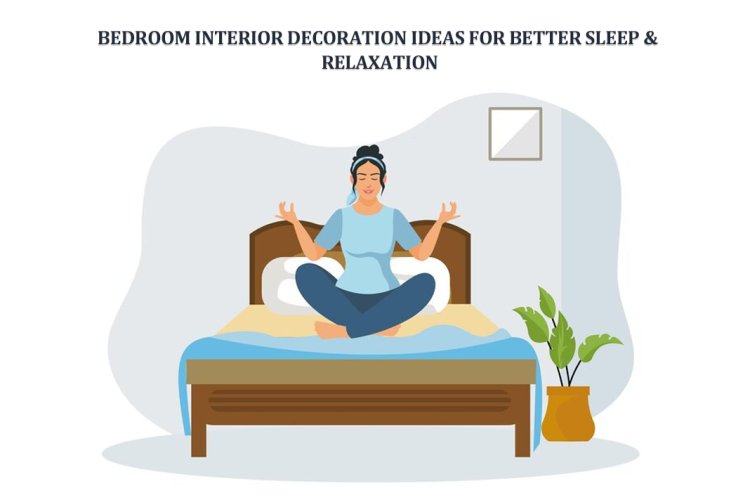
Bedroom Interior Decoration Ideas for Better Sleep & Relaxation
Choose breathable fabrics. Cotton. Bamboo. Linen. Let air flow. Let the material stay cool. Heavy fabrics suffocate the sleep. Lighter ones help you float.
Ever walked into your bedroom late at nightand felt something isn’t right? Like the space isn’t holding you. Not calming you. Not giving you that soft hug your body desperately wants after a long day. You stand there thinking, why doesn’t this room feel peaceful? Happens to many people. More than you’d expect. A bedroom slowly becomes a storage space, a side office, a laundry stops, or sometimes a silent chaos where things just land without any thought.
So, let’s flip the script.Let’s build a place that whispers calm. A place where your mind sinks slowly, peacefully. A place that doesn’t push you awake. Instead, it gently pulls you inward. Toward quiet. Toward rest.
This guide walks through ideas. Simple ones. Not expensive. Not complicated. Just small shifts. Soft touches. Choices that turn the room around without stress. And maybe, somewhere in these lines, you’ll feel your own story merging with it. Because every bedroom has its own soul. Just needs help showing it.Alright. Let’s drift in.
1. Create a Calm Visual Base
Colors hold emotions. Strange but true. You walk in and instantly feel something. Even when you don’t notice it directly, your mind does. Sharp colors shout. Soft ones breathe. And your bedroom needs breathing, not shouting.
Choose muted tones. Pale grays. Creamy whites. Earthy browns. Light blues that feel like quiet mornings. These shades don’t overwhelm. They settle gently. Let the walls melt into the background. Let the room feel like a slow, steady inhale.
Avoid harsh contrasts. Avoid big, loud patterns. Too much pattern feels like noise. And you want silence. Or something close to it. Let the visual base stay steady. Calm. Easy on the eyes.Once the background settles, the whole room shifts in energy. Feels lighter. Softer. More welcoming.
2. Use Lighting That Softens the Mood
You ever turned on the bright ceiling light at night and instantly regretted it? It hits your eyes like a flash. A shock. Too strong. Too awake. Your bedroom lighting shouldn’t behave like that.
Warm lighting works better. Small lamps. Soft glows. Light coming from different corners instead of a single harsh source above your head. Create a glow, not a blast.
Dimmer switches help. You twist gently. The room follows your mood. Want calm? Dull the lights. Want a soft reading moment? Keep it low. No sharp brightness.
Light shouldn’t push you awake. It should hold you gently. Wrap around you without asking for attention. Warm light whispers. And you need that whisper at night.
3. Choose Textures That Invite Relaxation
Textures make the room feel alive. Warm. Soft. Emotional even. A plain mattress with plain sheets? Feels empty. Cold. But you lay down on layerscotton, linen, a soft throw hanging at the edgeand suddenly the bed feels like a cloud trying to remember your shape.
Add softness. Add layers. A knitted throw. A linen pillow. A rug you step on in the morning without flinching. Something warm under your feet.
Natural textures breathe better too. Wood. Woven fabrics. A little rattan basket in the corner. These things make the space feel human. Authentic. Grounded.
Even a simple detaillike placing Coir Door Mats at the entryadds a tiny earthy touch. Something like a quiet reminder of nature when you step in.Textures don’t just decorate. They create feelings.
4. Keep the Bedroom Layout Simple
Clutter interrupts sleep. Not because you stare at it all night, but because your brain keeps whispering that something is off. Too many things. Too much stuff. Not enough space.
Keep pathways open. Let the room breathe. Let yourself move without bumping into anything. The more open the layout, the more your mind relaxes.
Place the bed against a stable wall. Feels safer. More grounded. And slightly angled toward the door so you feel aware but not exposed.
You don’t need a ton of furniture. A bed. A couple bedside tables. A wardrobe. That’s enough. Fancy chairs, big shelves, extra tablesthey often stay unused yet occupy mind-space. So, let them go. Simplicity wins here.
A simple room tells your mind: relax, nothing here demands you.
5. Invest in Good Sleep Essentials
A room may look pretty, but if your mattress feels like a rock or your pillow keeps your neck annoyed, everything collapses. Comfort matters. And not small. Big.
A good mattress supports your sleep. A good pillow supports your neck. Bedding that doesn’t trap heat makes nights gentler. Your body sleeps deeper when it doesn’t fight the environment.
Choose breathable fabrics. Cotton. Bamboo. Linen. Let air flow. Let the material stay cool. Heavy fabrics suffocate the sleep. Lighter ones help you float.
Wash bedding often. Fresh sheets feel different. Smell different. Sleep different. And yes, it matters more than most people think.The bed is the heart of the bedroom. Build it well.
6. Bring Nature Indoors
Nature calms the mind without even trying. A small plant in the corner changes the whole vibe. A little bit of green softens the room’s edges. Makes it feel calmer instantly.
Place one plant near the window. Or a tiny one on the nightstand. Doesn’t need to be fancy. Doesn’t need to be exotic. Just alive.Plants also help with air. They purify. Refresh. Give the room a natural softness.
If real plants stress you out; watering, pruning, remembering, they can be artificial. No shame. As long as they look natural and subtle. The presence matters more than the type.Nature inside a bedroom creates a sense of peace most decor items cannot.
7. Use Scents That Relax the Mind
Smell touches emotions quickly. Before thoughts. Before logic. And the right scent at night makes the mind settle faster.
Lavender. Chamomile. Sandalwood. Light floral scents. These help slow down the nervous system. Create comfort.
Use diffusers. Or scented candles. Or a mild room spray. Go easy on quantity. You want a soft scent. A gentle note in the air. Not something that hits you strong the moment you enter.
Try different scents. Every person reacts differently. Your perfect scent might be something you didn’t expect.Let the air help your mind rest.
8. Remove Sleep Distractions
Some things simply don’t belong in a bedroom. They steal rest quietly. Without asking permission.
Remove ticking clocks. Too loud.Remove bright digital lights. Too distracting.Avoid piles of laundry in corners. They remind you of chores. Not peace.Keep work items away. No laptops open beside the pillow. No office files. No reminders of deadlines.
Screens? They’re the biggest problem. TV screens. Phone screens. Tablet screens. Even when off, they affect sleep. Try keeping them out. Or at least silent and away from your face.Your bedroom is a rest zone. Not a workspace. Not a noise center. Protect it.
9. Add Personal Touches That Spark Comfort
A perfect room without soul feels empty. Like a hotel room. Nice, but not comforting. Personal touches bring life. Warmth. Familiarity.But don’t overdo. A couple meaningful things. A framed photo. A favorite book. One piece of art. That’s enough.
Avoid filling every wall. Leave blank spaces. Your eyes need rest too. Empty walls feel calm. Still. Peaceful.Choose items with memories. With stories. They make the room feel connected to you. Not random.Small touches. Big comfort.
10. Create a Nightly Wind-Down Corner
A wind-down corner works like a small signal to your brain. A ritual spot. A quiet zone that tells your body: time to slow down.
Place a chair near the window. Or a cozy floor cushion with a small lamp. Something simple. Something comfortable.
Use this place for ten minutes at night. Read. Sip tea. Breathe deeply. Stretch lightly. Doesn’t matter what. What matters is the pause.
A corner ritual creates consistency. Predictability. Your mind starts associating it with sleep. And eventually, falling asleep becomes easier. Faster.
This corner doesn’t need style. It needs intention.
11. Focus on Air Quality
Fresh air makes sleep smoother. The body feels lighter. The mind calmer. Stale air traps heaviness in the room.
Open windows before sleep if the weather allows. Let air move gently around. A small breeze. A little circulation. Makes a difference.
If fresh air is hard to get, use air purifiers or quiet fans. Even a small plant helps a bit.Good air. Good sleep. Simple as that.
12. Keep Tech Low and Quiet
Technology is helpful, sure. But not in the bedroom. Phones buzz. Screens glow. Notifications disturb. Quiet gets broken quickly.
Keep devices in silent mode. Or outside the room. Charge them away from the bed. Cover any tiny lights. Those small blue dots from chargers? They seem tiny but disturb more than you think.Night mode helps. But complete distance is better. Less tech = more rest.Let the bedroom be a tech-free zone.
Conclusion
A restful bedroom isn’t built with expensive furniture or complicated plans. It forms slowly. Through thoughtful choices. Small steps. Quiet decisions. Every detail shaping the space into something comforting.
Your bedroom should feel like safety. Like softness. Like the moment you exhale after holding your breath too long. Calm colors. Gentle lighting. Warm textures. Natural elements. Cleaner layouts. All of these whisper to your mind: rest now.
Start with one change. Maybe the lighting. Maybe the clutter. Maybe add a plant. Slowly, the room transforms. Slowly, your nights get better. And soon enough, you step into the room and feel peace settling instantly.
What's Your Reaction?