Elevating Lead Generation in Event Management: Advanced Strategies for 2025 and Beyond
Event management is unique: clients often spend months researching, comparing, and evaluating service providers.
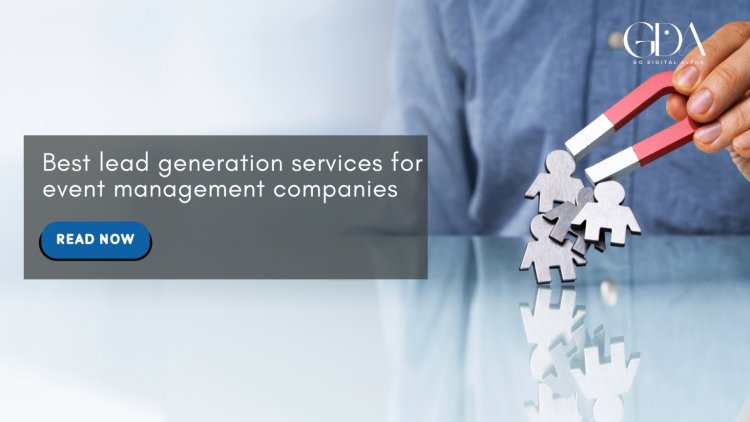
In the competitive world of event management, securing quality leads can make or break your business. While many firms rely on traditional methods, today’s digital environment demands innovative, data-driven approaches to attract clients, nurture
relationships, and drive ROI. In this article, we’ll build on the foundation laid in the Go Digital Alpha guide “Best Lead Generation Services for Event Management Companies” and expand upon it with fresh, actionable insights not previously discussed. Check out the original guide here: https://godigitalalpha.com/best-lead-
generation-services-for-event-management-companies/
1. Why traditional lead generation is no longer enough
Event management is unique: clients often spend months researching, comparing, and evaluating service providers. The longer the sales cycle, the more touchpoints are needed—and the more opportunities exist to lose prospects. In addition, many firms focus on quantity (number of inquiries) rather than quality (likelihood to convert). The result? High volumes of low-value leads, wasted marketing spend, and inconsistent growth.
To thrive, modern event management companies must:
● Build trust at every stage of the funnel,
● Demonstrate differentiation through storytelling, and
● Use tools and processes that automate and personalize outreach, without losing the human touch.
2. The next level: combining niche-focused agencies with in-house data insights
In your lead generation stack, it’s no longer sufficient to rely solely on third-party lead service providers. The future lies in blending agency support with proprietary data insights and internal systems.
Here’s how to approach it:
1. Choose niche-expert lead generation partners
Go Digital Alpha highlights several such services (Pearl Lemon Leads, Belkins, etc.), but the best approach is selecting partners who specialize not only in events but in your sub-niche (e.g., sustainable weddings, corporate tech conferences, hybrid events). This allows sharper targeting, better messaging, and higher conversion rates.
2. Build internal intelligence loops
Use your own CRM, website analytics, and sales feedback to create a feedback loop. For instance, monitor which lead sources yield clients with higher lifetime value or repeat business. Feed that data into your digital marketing campaigns. This dual approach—external lead support + internal learning—ensures optimization over time.
3. Segment lead sources by intent and stage
Signals like downloads of whitepapers, webinar attendance, or reviewing RFP templates indicate high intent. Combine these with paid ads and agency-generated leads to prioritize outreach and nurture efforts.
3. Advanced Google Ads strategies specifically for event companies in 2025
While Go Digital Alpha’s original post covers keyword strategy and bidding, here are additional tactics you may not have seen:
● AI-assisted funnel segmentation: Use Google’s AI tools to separate high-intent event types (corporate retreats, trade shows, weddings, etc.) and tailor separate campaigns for each, tuning budgets dynamically based on real-time
performance.
● Cross-device retargeting sequences: Prospects may start on a mobile device (e.g. Instagram ad) and end on desktop (searching “conference planners near me”). Ensure your Google Ads campaign is integrated with retargeting audiences
from all sources to “follow” the prospect across devices.
● Dynamic lead-form extensions: Use Google’s lead form extensions that adapt based on search queries, ensuring that someone searching “luxury wedding planner in Mumbai” sees different form fields than someone looking for “conference
management Delhi.” This boosts form relevance and conversion.
● Event-based seasonal calendar targeting: Build campaigns around seasonal event peaks (e.g. holiday corporate parties, academic conference season), adjusting bids and ad copy in advance to capture early planners.
These tactics can boost ROI beyond what standard Google Ads setups deliver.
4. Meta Ads: richer creative + deeper funnel integration
The original guide covers Meta Ads (Facebook/Instagram) well—custom audiences, lookalikes, ad formats, etc. Let’s expand with new, high-impact strategies:
● Interactive pre-qualification quizzes in ads: Embed short, engaging quizzes (“Which Event Type Fits Your Needs?”) in Meta Ads that pre-qualify leads within the platform before sending them to your site. This cuts down on unqualified
inquiries and increases lead quality.
● Augmented Reality (AR) previews: Use Meta’s AR tools to let prospects “preview” event setups (e.g. stage design, lighting, seating) within ads. This type of immersive content builds trust and reduces friction in the sales process.
● Geo-fencing and proximity remarketing: Target users who are physically near popular venues or who have recently attended similar events. Pair this with Meta lead ads to capture prospects in the decision-thinking zone.
● Cross-platform storytelling funnels: Start with an awareness video on Instagram, retarget viewers with testimonials on Facebook, then serve lead ads with offers for free vendor matches or planning checklists. This layered narrative creates higher engagement and more qualified prospects.
5. Community and content: evolving from reactive to proactive strategy
Building an event management community isn’t just about posting tips or behind-the-scenes content. To truly differentiate and generate leads:
● Host micro-webinars and networking forums: Rather than just being present in Facebook groups, create private, themed webinars or Slack/Discord forums for corporate planners, venue owners, or influencers. This positions your brand as a hub, not just a service provider.
● Publish real-time “post-mortem” sessions: After major events, release a short, well-structured case study video and blog post covering what worked, what didn’t, and lessons learned. Invite vendor partners and clients to contribute. This
transparency attracts serious prospects and builds industry respect.
● Leverage LinkedIn sales navigator at scale: Create content that targets senior decision-makers in corporations, then use LinkedIn Navigator to build a custom audience, follow up with outreach, and funnel warm contacts into lead nurturing sequences.
These strategies go beyond standard social media presence and actively cultivate an engaged ecosystem around your brand.
6. Enhanced lead nurturing through CRM & automation, with human insight
While email marketing and CRM integration are key (as discussed in the original post), here’s how to elevate them further:
● Event funnel “temperature” scoring: Combine traditional BANT (Budget, Authority, Need, Timeline) with behavioral signals such as time spent on service pages, number of downloads, response to outreach, and even event attendance
history. Prospects with high “temperature” can be fast-tracked.
● Smart drip campaigns with dynamic content: Use toolsets that build email sequences adapting based on prospect replies, behaviour, or life cycle stage. For example, switch to “venue options” content for those who click on venue galleries.
● Integrate chat-based scheduling in emails: Instead of just sending “contact us” CTAs, embed calendar booking options directly into nurturing emails (via email calendar integrations) so prospects can schedule consultations easily.
These tactics shorten the funnel while improving conversion quality.
7. Emerging tools & trends transforming lead generation
Building on the original discussion of future trends, here are newer technologies to watch for:
● Predictive AI-driven lead scoring: Advanced AI models can analyze past client behavior and predict which new leads are most likely to convert, automate prioritization, and suggest the ideal outreach cadence and channel.
● Hybrid & virtual event platforms as lead magnets: Tools like VR/AR event walkthroughs, interactive live streams, and “virtual open days” not only host events but draw in planners, vendors, and attendees who become leads themselves.
● Voice search optimization for event intent: As more queries shift to voice (e.g. “best wedding planners near me”), optimize landing pages for conversational search phrases to capture emerging high-intent leads.
● Micro-influencer co-planning tools: Platforms that allow smaller influencers to partner on local events (e.g. pop-ups, brand activations) can generate leads organically through collaboration and shared audiences.
8. Final thoughts: building a sustainable lead ecosystem
To remain competitive, event management companies must adopt a multi-layered, data-infused, and adaptive lead generation strategy. Start by combining specialized external services with in- house data, then build ad campaigns with AI, creative technology, and funnel integration. Cultivate a vibrant community and use advanced CRM tools to nurture prospects intelligently. Monitor emerging tools and trends, and continuously evolve your approach.
By doing so, you’ll not only generate higher quantities of leads but attract higher quality prospects, streamline conversion, and create a sustainable growth engine.
Explore Go Digital Alpha’s full guide on lead generation for event companies here: https://godigitalalpha.com/best-lead-generation-services-for-event-management-companies/ — and learn more about our approach to digital growth and advanced strategies at https://godigitalalpha.com/.
What's Your Reaction?