CRM for Travel Industry Reporting Without Headaches
You can improve your marketing by finding out which destinations convert best. Highlight top destinations, create focused marketing, and strengthen your pitch for low-converting destinations.
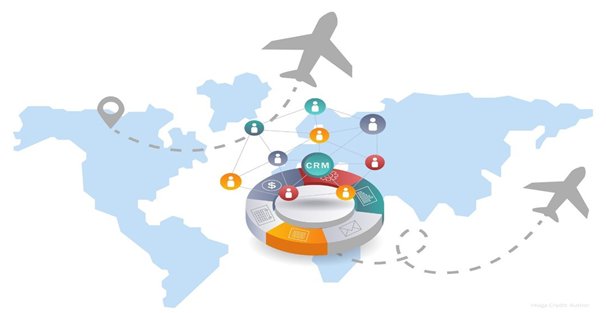
Tracking the success of your travel agency doesn't have to feel like deciphering hieroglyphs. With the right CRM in travel agency, reporting can be as straightforward as checking the weather.
With so much data, how do you understand it? How can numbers provide useful understandings?
Let’s break down the essential metrics and make reporting something you actually enjoy doing.
The Only Metrics Most Agencies Need Weekly
If you are running a travel agency, you have probably lot of reports. Tracking everything can be attractive, but your agency only needs a few critical indicators to perform effectively.
Make simple: focus on these metrics weekly.
- Leads Generated
- Bookings Made: More bookings = more revenue.
- Follow-up Response Rate
- Agent Performance
- Revenue Generated
You can quickly assess progress with these metrics. Data confusion affects too many agencies. Always know your status by following these simple guidelines.
Booking Pipeline Views That Show Bottlenecks
Your CRM in travel agency should allow you to visualize your booking pipeline. This isn’t just for show—it’s a game-changer when it comes to identifying bottlenecks. Let’s face it: you’ve probably lost a few deals due to a slow or inefficient process. A well-organized pipeline gives you a clear view of where things are slowing down, whether that’s at the lead intake stage, during itinerary creation, or final booking confirmation.
A clean and transparent pipeline lets you see:
- Where leads are getting stuck
- Where agents may need extra training
- Where automation can step in
Identifying barriers helps you simplify procedures and serve more customers faster. When every step goes well, your team works better and clients are happier.Simple as that.
Lead Source Tracking That Improves Marketing
Do not run a campaign before knowing where your leads are coming from. Do they reach you via social media or ads, through connection, or your new email campaign?
Find lead sources can help you make your next plan better.
By tracking lead sources, you can:
- Allocate resources efficiently
- Optimize marketing spend
- Spot trends
The travel agency CRM should make it easier to track lead sources. Your marketing team can optimize lead generation and conversion rates using this data.
Conversion Rate by Destination Type
A travel agency's clients can have wildly different preferences based on destination type. Maybe honeymoon packages sell better than group tours to the same destination. Tracking conversion rates by destination type helps you understand your customers' preferences and modify your services.
Consider tracking:
- Destination types
- Market segments
- Booking seasonality
You can improve your marketing by finding out which destinations convert best. Highlight top destinations, create focused marketing, and strengthen your pitch for low-converting destinations. More significantly, it helps you understand your clients, creating a more personalized experience.
Agent Performance Without Micromanaging
As your agency grows, you’ll need to know how each agent is performing. But here’s the trick: tracking performance shouldn’t feel like hovering over your team. Instead, your CRM should give you insights into agent performance at a glance. You want to know things like:
- How many leads each agent is handling
- Conversion rate by agent
- Client feedback and reviews
This reporting improves agent performance without micromanagement. You will recognize who is doing well, who needs guidance, and who is ready for increased responsibility. Plus, open performance tracking motivates agents to work well.
Average Booking Value and Upsell Patterns
Tracking the average booking value (ABV) is more than just a numbers game. It tells you how much revenue each client is bringing in on average. But do not stop there as this number can help you find ways to sell more.
By tracking ABV over time, you’ll see patterns:
- Are certain agents upselling more successfully than others?
· Are there certain kinds of trips or packages that boost ABVs?
· What is the average sale value for flights, hotels, trips, and other types of travel?
Understanding the trends helps you train agents to sell more. Create packages or promotions that organically boost ABV. A travel CRM that records ABV and sale habits can help your staff make smarter suggestions, improving profits without adding workload.
Follow-Up Compliance: Who Needs Reminders?
We've all seen leads indicate interest and then nothing happens.Did you follow up? Was it too soon? Not soon enough? With a CRM in travel agency, follow-up compliance can be automated, so you never miss a beat.
Your CRM should track:
- When was the last contact made?
- Which leads need follow-ups?
- What type of follow-up (email, call, SMS)?
Automation here is a lifesaver. Schedule reminders for follow-up after three days. You will never miss a lead again, and new customers will feel valued.
Seasonality Trends and How to Plan Ahead
Seasonal changes effect travel agency bookings. Summer vacations, winter, and long weekends attract customers. You can avoid hurrying during busy periods with seasonality tracking.
Your CRM should:
- Analyze past data
- Track booking patterns
- Forecast demand
You can customize your marketing and sales to peak hours using this data. Improve your team's scheduling, give off-season travel discounts, and prepare for the next wave of clients. Smooth, stress-free operations require seasonality knowledge.
Customer Lifetime Value for Repeat Travelers
Loyal customers are gold in travel. Understanding long-term client profitability requires tracking Customer Lifetime Value (CLV). Repeat visitors spend more, so sustaining that relationship is important.
With a CRM for travel industry, you can track:
- How many repeat customers you have
- How much each customer spends per year
- When they’re likely to book again
Understanding your consumers' CLV lets you customize services. Give loyalty discounts, targeted promotions for future travels, and customized travel itineraries. Revenue can be increased most cheaply by satisfying your greatest customers.
Turning Reports into Actions (Not Spreadsheets)
Here’s the secret: reports aren’t just about pretty charts. They’re about action. Your CRM for travel industry should not only track data but also help you make decisions based on it. For example, once you know where your bookings are getting stuck, you should immediately start refining that stage in your pipeline.
You don’t want to just collect reports and let them collect dust. Instead:
- Set up weekly review sessions
- Use data for improvement
- Create actionable goals
Turning reports into action means using data to improve operations, client relationships, and income.
Final Thoughts
With the proper travel agency CRM, reporting can become fun and insightful. Your agency will function more efficiently and grow by concentrating on the correct metrics, tracking trends, and using data to make choices. Reporting may uncover better strategy, happier clients, and more bookings without causing difficulties.
What's Your Reaction?