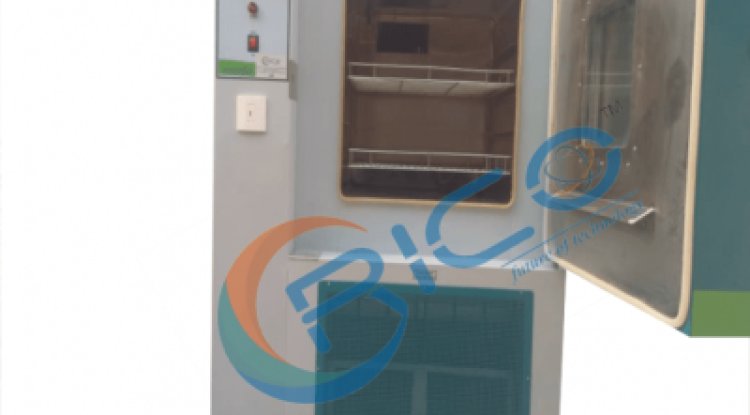
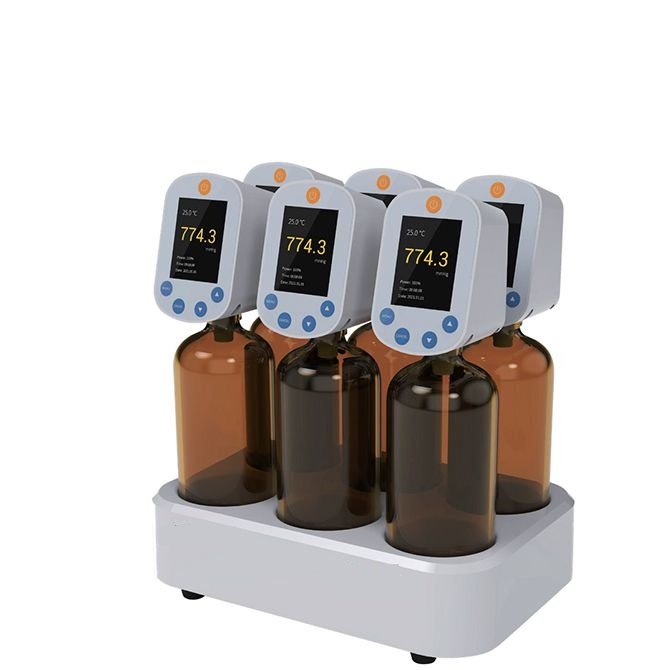
Biochemical Oxygen Demand (BOD) Analyzer
Automatically Print Result Laboratory BOD Tester with Bod Sensor and Bod Bacteria/ BOD 0-4000mg/L Intelligent Tester for Water
Understanding Biochemical Oxygen Demand in Human Terms
Biochemical Oxygen Demand, commonly called BOD, measures how much oxygen microorganisms require to break down organic material in water.
Think of oxygen as currency. The more pollution present, the more oxygen microbes spend to clean it up. If too much oxygen is consumed, aquatic life begins to struggle.
In rivers, lakes, wastewater systems, and treatment plants across America, BOD tells a simple truth:
Is this water alive—or slowly suffocating?
What Is a BOD Analyzer?
A Biochemical Oxygen Demand Analyzer is a laboratory instrument designed to measure the amount of dissolved oxygen consumed by microorganisms in a water sample over a defined period.
Traditionally, BOD testing took days and demanded careful manual handling. Modern BOD analyzers bring automation, accuracy, and reliability—qualities essential for U.S. laboratories managing large testing volumes and strict reporting requirements.
Why BOD Matters in the United States
Water is more than a resource in the USA—it is infrastructure, economy, and identity.
From the Great Lakes to the Mississippi River, from municipal treatment plants to industrial discharge points, BOD testing helps protect:
-
Public health
-
Aquatic ecosystems
-
Drinking water supplies
-
Regulatory compliance
High BOD levels can signal untreated sewage, industrial waste, agricultural runoff, or system failure. Early detection allows action before damage becomes irreversible.
A Day in the Life of a BOD Test
The process begins quietly.
A sample arrives at the laboratory—maybe from a wastewater treatment facility, maybe from a manufacturing site, maybe from a river near a growing city.
The analyst prepares the sample, places it into the BOD analyzer, and sets the conditions. Over time, the analyzer tracks oxygen consumption, transforming biological activity into measurable data.
When results appear, they are more than numbers. They are decisions waiting to be made.
How a BOD Analyzer Works
While the science is complex, the principle is beautifully simple.
Sample Preparation
The water sample is prepared to support microbial activity without introducing interference.
Controlled Environment
The analyzer maintains stable temperature and conditions, ensuring consistent microbial behavior.
Oxygen Measurement
As microorganisms consume organic matter, they use oxygen. The analyzer continuously or periodically measures this change.
Data Interpretation
The oxygen consumption is converted into BOD values, offering a clear picture of water quality.
Traditional BOD Testing vs Modern BOD Analyzers
Traditional Approach
-
Labor-intensive
-
Time-consuming
-
Higher chance of human error
Modern BOD Analyzers
-
Automated measurement
-
Improved accuracy
-
Faster turnaround
-
Digital data storage
For U.S. laboratories balancing speed and precision, automation has become essential.
Applications Across the United States
Municipal Wastewater Treatment Plants
BOD analyzers help operators monitor treatment efficiency and protect downstream water bodies.
Industrial Facilities
Manufacturing plants use BOD testing to manage discharge quality and environmental responsibility.
Environmental Monitoring Agencies
Regular BOD analysis helps track ecosystem health and pollution trends.
Research and Academic Institutions
Universities and research labs use BOD analyzers to study water systems and train future environmental scientists.
BOD and Environmental Responsibility
In the USA, environmental protection is not only a regulatory requirement—it is a social expectation.
BOD analyzers empower organizations to:
-
Detect pollution early
-
Improve treatment processes
-
Reduce environmental impact
-
Build public trust
Clean water supports fishing, recreation, agriculture, and community health.
Digital Features That Matter
Modern BOD analyzers are designed for today’s laboratories.
Common features include:
-
Digital displays
-
Automated oxygen sensing
-
Data logging
-
Alarm systems
-
User-friendly interfaces
These features reduce operator burden while improving reliability.
Accuracy, Consistency, and Confidence
Reliable BOD data builds confidence across teams.
Engineers trust it to adjust processes. Regulators trust it for compliance. Communities trust it for safety.
The analyzer becomes more than equipment—it becomes assurance.
Training and Workforce Efficiency
With experienced environmental professionals in high demand across the United States, efficient tools matter.
BOD analyzers:
-
Simplify testing procedures
-
Reduce training time
-
Minimize variability between operators
This supports continuity even as teams change.
Cost Control Through Better Monitoring
Unchecked high BOD levels can lead to:
-
Environmental penalties
-
System overloads
-
Infrastructure damage
Regular testing helps organizations take corrective action early, saving money and protecting assets.
The Human Side of BOD Testing
Behind every test is a human choice.
A city deciding to invest in cleaner treatment. A factory choosing responsibility over shortcuts. A scientist working late to validate results.
The BOD analyzer supports these decisions quietly, reliably.
Choosing the Right BOD Analyzer
When selecting a BOD analyzer, U.S. laboratories often consider:
-
Measurement accuracy
-
Ease of use
-
Automation level
-
Data management capability
-
Long-term reliability
The right choice supports both daily operations and long-term goals.
Future of BOD Analysis
As environmental challenges evolve, BOD analyzers will continue to advance.
Future trends may include:
-
Faster testing cycles
-
Smarter sensors
-
Integrated monitoring systems
-
Real-time analytics
But the mission remains unchanged: protecting water.
Frequently Asked Questions (FAQs)
What does a BOD analyzer measure?
It measures the amount of oxygen consumed by microorganisms breaking down organic matter in water.
Why is BOD important for water quality?
High BOD levels indicate pollution that can harm aquatic life and ecosystems.
Who uses BOD analyzers in the USA?
Municipal treatment plants, industrial facilities, environmental agencies, and research institutions.
Is automated BOD testing better than manual methods?
Yes. Automation improves accuracy, consistency, and efficiency.
Can BOD testing prevent environmental damage?
Yes. Early detection allows timely corrective actions.
How often should BOD testing be performed?
Testing frequency depends on application, discharge volume, and monitoring requirements.
Final Thoughts: Measuring Life, Protecting the Future
Water may look silent, but it is always breathing.
The Biochemical Oxygen Demand Analyzer helps us understand that breath—revealing whether water systems are healthy or under stress.
Across the United States, from bustling cities to quiet rivers, this instrument plays a vital role in protecting life, sustaining ecosystems, and ensuring that future generations inherit water that is truly alive.
What's Your Reaction?