The Documentation Gap: Why US Land Development Projects Keep Missing Permit Deadlines and How to Fix It
When we work on projects, the architects and the planners and the engineers usually do their jobs at times or in their own separate groups.
Introduction
Permit delays are a problem in land development projects in the United States. They happen a lot in residential projects and also in big mixed-use developments. Teams have to wait weeks or even months for approvals.
The usual reason given is that regulations are complex or the review process is slow. These factors do cause delays. They are not the only reason. Another issue is the documentation gap.
A less visible but equally important issue is the documentation gap.
Incomplete drawings, inconsistent information and poor coordination between teams often cause rejections, revisions, and repeated submissions. These delays do not always come from systems; they often start within the project itself.

What Is the Documentation Gap?
The documentation gap is a problem. It happens when what is needed for permit approval does not match what is actually given.
This gap can show up in ways:
* Missing details in site plans
* Architectural and engineering drawings do not match
* Utility or drainage information is incomplete
* Grading strategies are not clear
Even if each drawing is correct on its own, if they do not work well together, it can confuse reviewers.
For people who review plans, unclear documentation makes their job take longer. For project teams it means they have to fix things over and over and that wastes a lot of time.
Why Projects Keep Missing Deadlines
1. Fragmented Workflows
When we work on projects, the architects and the planners and the engineers usually do their jobs at times or in their own separate groups. They pass information to each other. It does not always match up perfectly.
The drawings are submitted, but by that time mistakes have already been made.
2. Late-Stage Coordination
Coordination frequently occurs at an overly late stage in the process. Rather than aligning early, teams try to address problems just before submission.
This results in hasty revisions and mistakes that go unnoticed.
3. Growing Regulatory Complexity
Permit requirements have grown more intricate over time. Planners need to take into account environmental effects, infrastructure capabilities, and adherence to zoning regulations.
Meeting these requirements becomes challenging without properly organized documentation.
4. Excessive Dependence on Manual Procedures
A number of teams continue to rely on manual verification and disjointed file handling. This raises the risk of outdated or incorrect drawings being submitted.
The Impact on Urban Development
Missed permit deadlines have consequences that go beyond delaying individual projects. They influence the larger planning context.
*Housing delivery is slowing down
*Infrastructure projects are encountering delays
*Development costs are rising
*Stakeholder confidence is declining
In rapidly growing urban areas, these delays can have lasting effects on city development.

Where Better Documentation Makes a Difference
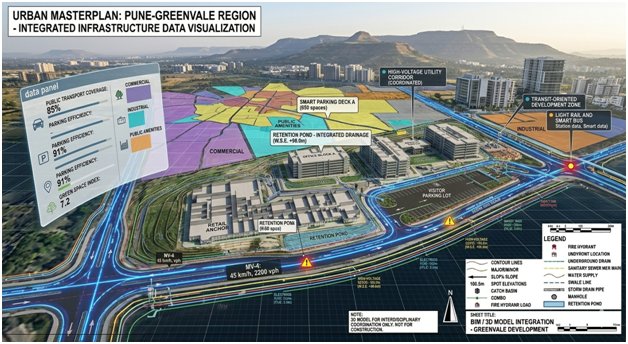
Enhancing documentation goes beyond simply including more information. It focuses on enhancing clarity, consistency, and coordination.
Clearer Site Plans
Site plans that are well organized and meet zoning and land use regulations enable reviewers to quickly grasp the proposals.
Coordinated Drawings
Aligning utilities and architectural layouts during grading minimizes confusion and accelerates the approval process.
Complete Submissions
Submitting all necessary documents in a clear and well-structured manner reduces the need for repeated communication with regulatory bodies.

Practical Ways to Fix the Problem
1. Start Coordination Early
Bringing planners, engineers, and designers together at the early stages helps identify conflicts before they become problems.
2. Standardize Documentation
Using consistent formats, templates, and naming systems makes it easier to manage and review drawings.
3. Improve Communication Between Teams
Regular coordination meetings and shared updates ensure everyone is working with the same information.
4. Use Integrated Digital Tools
Platforms that combine planning, design, and engineering data can reduce duplication and improve accuracy.
5. Focus on Review Readiness
Before submission, teams should review documentation from the perspective of an approval authority. This helps identify gaps that may not be obvious internally.
A Shift in Mindset
Dealing with documentation problems is not about fixing technical issues. It is about changing the way teams work on projects.
Documentation should not be something we do at the end. We should think of documentation as something we do all the time to help us plan, design, and do our tasks.
When we start documenting the beginning, it helps us understand things clearly. It does not slow us down. Documentation is a part of project delivery, and it should be done from the start. Documentation helps us with project delivery. It is very important that we do it correctly.
Conclusion
Delays in land development permits are often seen as problems caused by rules and approval processes. A closer look shows that many delays actually start much earlier during the paperwork process.
When project teams improve how they work together, make blueprints clearer, and organize their processes better, they can really cut down on the time it takes to get approvals.
Cities are trying to grow in a way that's both efficient and good for the environment, and making documentation better is not just a small improvement. It is a step to get better results in urban development.
What's Your Reaction?