Barack Obama
Barack Hussein Obama II is an American politician and comes at the top of the list of popular celebrities. Stanley Ann Dunham, his mother, was a white American from Wichita, Kansas, and Barack Obama Sr., his father, was a black man from Alego, Kenya.
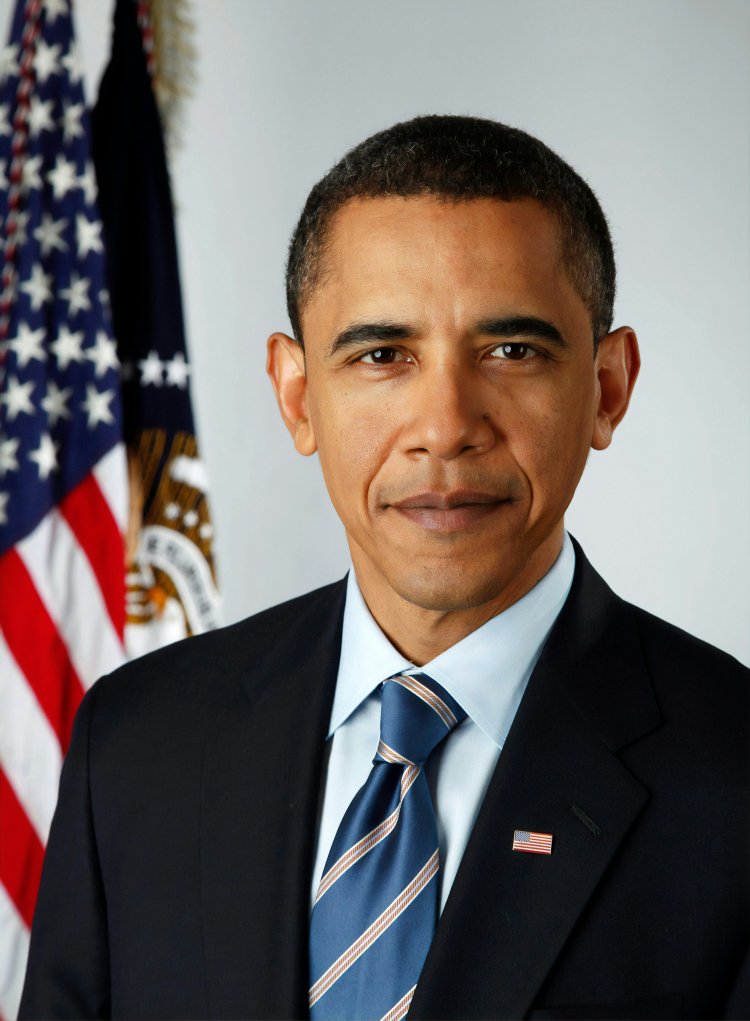
Birth, Date, and Place: Where the Story Began
Barack Obama was born on August 4, 1961, in Honolulu, Hawaii, a place unlike any other American state. Hawaii’s geography — surrounded by the Pacific Ocean and shaped by multiple cultures — would later symbolize Obama’s worldview: open, global, and inclusive.
His birth itself reflected diversity. His father, Barack Obama Sr., was from Kenya, while his mother, Stanley Ann Dunham, was born in Kansas. This blend of backgrounds gave Obama an early exposure to different cultures, traditions, and ways of thinking — something that would become central to his identity.
Growing up, Obama did not follow a traditional American childhood. His parents separated early, and his life involved frequent movement, adjustment, and self-discovery.
Born: 4 August 1961 (age 64 years), Kapiʻolani Medical Center for Women & Children, Honolulu, Hawaii, United States
Party: Democratic Party
Vice president: Joe Biden (2009–2017)
Children: Malia Ann Obama, Sasha Obama
Presidential term: 20 January 2009 – 20 January 2017
Parents: Stanley Ann Dunham, Barack Obama Sr.
Early Childhood: Between Worlds
Barack Obama spent part of his childhood in Indonesia, where his mother lived after remarrying. There, he attended local schools and experienced life far removed from mainland America. These years shaped his adaptability and awareness of global realities — poverty, cultural differences, and resilience.
Later, he returned to Hawaii to live with his grandparents. They provided stability, structure, and encouragement, emphasizing education as the foundation of opportunity.
In Hawaii, Obama experienced both belonging and difference. While the islands were culturally diverse, he still grappled with questions of identity — questions many Americans can relate to in a nation shaped by immigration and change.
Education: Building the Mind Before the Mission
Education played a defining role in Barack Obama’s life. After high school, he left Hawaii for the mainland United States, enrolling at Occidental College in Los Angeles. Later, he transferred to Columbia University in New York City, where he studied political science.
New York exposed Obama to urban life, intellectual debate, and a sense of independence. He worked, studied, and observed — quietly absorbing lessons about society and power.
After graduation, he chose not to pursue immediate prestige or wealth. Instead, he moved to Chicago, where he worked as a community organizer. This decision reflected a core belief: change begins at the local level.
Later, Obama attended Harvard Law School, where his academic talent became nationally recognized. He made history by becoming the first Black president of the Harvard Law Review — a milestone that signaled his rising influence.
Early Career and Professional Life
Before entering national politics, Barack Obama’s professional life blended law, education, and public service.
He worked as:
-
A community organizer
-
A civil rights attorney
-
A law professor
Unlike traditional business leaders, Obama’s “business” was rooted in ideas, policy, and people rather than products or profits. However, his understanding of organization, leadership, and strategic decision-making mirrored many principles found in the business world.
He learned how institutions function, how teams operate, and how long-term vision requires patience and collaboration.
Business Information: Beyond Traditional Commerce
While Barack Obama is not a businessman in the conventional corporate sense, his professional life intersects with business in meaningful ways.
His work involved:
-
Managing large organizations
-
Overseeing complex budgets
-
Engaging with corporate leaders
-
Shaping economic policy discussions
Later in life, after leaving public office, Obama expanded into media, publishing, and speaking — industries that blend storytelling with entrepreneurship. His work in these areas reflects modern American business values: creativity, influence, and purpose-driven engagement.
His books, speeches, and media projects focus on ideas, leadership, and civic responsibility — demonstrating that business impact can extend beyond financial metrics.
Entering Public Life: The Call to Lead
Obama’s transition from local service to public leadership happened gradually. He served in the Illinois State Senate, where he focused on ethics reform, healthcare access, and community development.
His ability to communicate clearly and inspire collaboration set him apart. Unlike louder political styles, Obama’s approach emphasized thoughtfulness, empathy, and long-term vision.
When he entered the national spotlight, many Americans saw something different — a leader who spoke in complete sentences, acknowledged complexity, and appealed to shared values.
A Voice That Carried Across America
What truly defined Barack Obama for many Americans was his ability to communicate.
His speeches often centered on:
-
Unity over division
-
Opportunity over fear
-
Responsibility alongside rights
For many in the United States, his words felt aspirational — reminding people of what the nation could strive to be.
Life After the Spotlight
After leaving national office, Obama remained active in public conversation. His focus shifted toward mentorship, storytelling, and encouraging civic engagement.
He continued to speak directly to Americans — especially young people — about leadership, integrity, and participation in democracy.
Rather than retreat from public life, he redefined his role: not as a decision-maker, but as a guide and storyteller.
How Americans View His Legacy
Across the United States, opinions about Barack Obama reflect the nation’s diversity.
Supporters often highlight:
-
His calm leadership style
-
His emphasis on dialogue
-
His representation of progress
Critics may question:
-
His policy approaches
-
His pace of change
-
His reliance on consensus
Yet even critics often acknowledge his impact on political culture and public discourse.
Why His Story Resonates in the USA
Barack Obama’s life story resonates because it mirrors key American ideals:
-
Opportunity through education
-
Strength through diversity
-
Leadership through service
-
Progress through dialogue
His journey reminds Americans that leadership does not have a single look, accent, or origin.
A Human Story, Not Just a Public One
Beyond titles and achievements, Obama’s story is deeply human — shaped by family, doubt, ambition, and responsibility.
He has spoken openly about:
-
Balancing family and career
-
Learning from mistakes
-
Staying grounded under pressure
These themes connect him to everyday Americans navigating their own challenges.
Frequently Asked Questions (FAQs)
What is Barack Obama’s date of birth?
Barack Obama was born on August 4, 1961.
Where was Barack Obama born?
He was born in Honolulu, Hawaii, USA.
Is Barack Obama a businessman?
He is not a traditional businessman, but his professional work includes leadership, publishing, media, and public speaking.
What shaped Barack Obama’s worldview?
His multicultural upbringing, education, and community work played major roles.
Why is Barack Obama’s story important to Americans?
Because it reflects diversity, opportunity, and the belief that leadership can emerge from unexpected places.
What is Barack Obama doing now?
He focuses on writing, storytelling, mentoring, and civic engagement.
Final Thoughts
Barack Obama’s story began on an island in the Pacific but grew into a narrative that reached every corner of the United States. It is a story of learning, listening, and leading — not through force, but through ideas.
For many Americans, his journey stands as a reminder that progress is not automatic, but possible. And that leadership, at its best, is not about power — but about purpose.
What's Your Reaction?